London · Guide for brands, marketing teams and agencies
How to Brief a Video Production Company: The Sections, a Deliverables Table and a Template
The brief is the client's half of every video project. The twelve sections it needs, how to write the deliverables, a template to copy and what a good production company sends back.
- Words and camera
- Joshua Swain
- Published
- Reading time
- 8 min
- Filed under
- Guide

In brief
- They send a shot list, a script and a mood film, and leave out the three things the production company actually needs: why the film exists, where it will run and what it must contain.
- Two to four sentences is plenty for most of them; the deliverables and the timeline are the only parts that need real detail.
- A table removes the guesswork, and it changes how the crew shoots: a 9:16 cutdown needs the action framed in the centre of the picture, and stills need time set aside on the day.
- These London projects show which section carried each job.
- Background: who we are, what is happening, links to the site and brand guidelines.
Contents 10 sections
- 01Brief, treatment, shot list: who writes what
- 02Twelve sections, and what to write in each
- 03Write the deliverables as a table
- 04The same template, four very different answers
- 05A video production brief you can copy
- 06What makes a brief fail
- 07What a good production company sends back
- Films from these briefs
- Questions
- Sources
Most video projects that go wrong were never briefed properly. The production company guessed, the quote was built on the guess, and the first cut answered a question nobody asked. This guide is the brief document itself, written from the client's side: the sections it needs, how to fill each one, a deliverables table, a template you can copy, and the mistakes that cost the most. The examples come from real London work: a magazine fashion film, a panel evening, a sponsor's weekend at the polo and a Kickstarter launch.
A brief shouldn't tell the crew how to film. It should tell them what has to be true when the film is finished.
Brief, treatment, shot list: who writes what
A lot of clients over-write the brief. They send a shot list, a script and a mood film, and leave out the three things the production company actually needs: why the film exists, where it will run and what it must contain. The brief is the client's document. Almost everything after it is the production company's answer.
| Document | Written by | Answers |
|---|---|---|
| The brief | You, the client | Why, for whom, what it must say, where it runs, by when, within what limits |
| Treatment | Director or production company | How it will look and feel: the idea, the references, the tone |
| Quote and schedule | Production company | Crew, shoot days, edit time, and the assumptions the price is built on |
| Shot list and call sheet | Production company | Every shot, every location, every hour of the day |
If you are only comparing freelancers, the one-page brief in how to hire a videographer in London is enough. When you are briefing a production company on a campaign, with several deliverables, people to approve it and a launch date, you need the full document below.
Twelve sections, and what to write in each
Keep each section short. Two to four sentences is plenty for most of them; the deliverables and the timeline are the only parts that need real detail.
Background
Who you are, what you sell and what is happening now: a launch, a rebrand, a season, an event. Link the website and the brand guidelines.
The objective
One business goal, not five. Sell a new product, sign up backers, fill next year's event, recruit. If you can't choose, you need two films.
The audience
Who will watch, where they are when they do, and what they already think about you. "Women 25 to 45" is a targeting setting, not an audience.
The single message
The one sentence a viewer should remember. Every shot will be judged against it, so make it specific.
Mandatories
What must appear: product versions, logo rules, legal lines, claims and the evidence behind them, people who must be filmed. And what must never appear.
Deliverables
Every file you need: lengths, aspect ratios, subtitles, stills, BTS. Use the table in the next section.
Where it runs, and for how long
Organic, paid, website, TV, out of home; the territories; the term. This sets usage for the crew, the talent and the music.
References
Three films you like and one you don't, with a line on what you like about each. "This one" tells the director nothing; "the pace of the first ten seconds" tells them a lot.
What you can provide
Product samples and how many, locations you own, staff or ambassadors who can appear, existing footage, fonts and graphics.
Timeline
Fixed dates first (launch, event, campaign start), then when you need a first cut and the final files. Say which dates can move.
Approvals
Who signs off at each stage, how many rounds of changes you expect, and how fast you can give feedback.
Budget range
A range, not a figure to beat. Without it you get three quotes for three different films and can't compare them.
Write the deliverables as a table
"A video for social" can mean one file or thirty. A table removes the guesswork, and it changes how the crew shoots: a 9:16 cutdown needs the action framed in the centre of the picture, and stills need time set aside on the day. Here is an example layout for a product launch; replace the rows with your own.
| Asset | Length | Ratio | Where it runs | Notes |
|---|---|---|---|---|
| Hero film | 60 to 90 sec | 16:9 | Website, YouTube, launch event screen | Music licensed for paid use |
| Cutdowns | 15 and 6 sec | 9:16 and 4:5 | Paid social | Subtitled; hook in the first second |
| Organic Reels | 20 to 30 sec | 9:16 | Instagram, TikTok | Clean versions without text as well |
| Stills | 20 selects | 4:5 and 1:1 | Product pages, press | Shot on set, same light as the film |
| Behind the scenes | 30 to 60 sec | 9:16 | Organic social | Filmed during the day, not staged |
If both shapes matter, say so in the brief and read shooting vertical-first without ruining the horizontal before the call.
The same template, four very different answers

The twelve sections stay the same; the weight moves. These London projects show which section carried each job.
| Brief | Example | The section that mattered most |
|---|---|---|
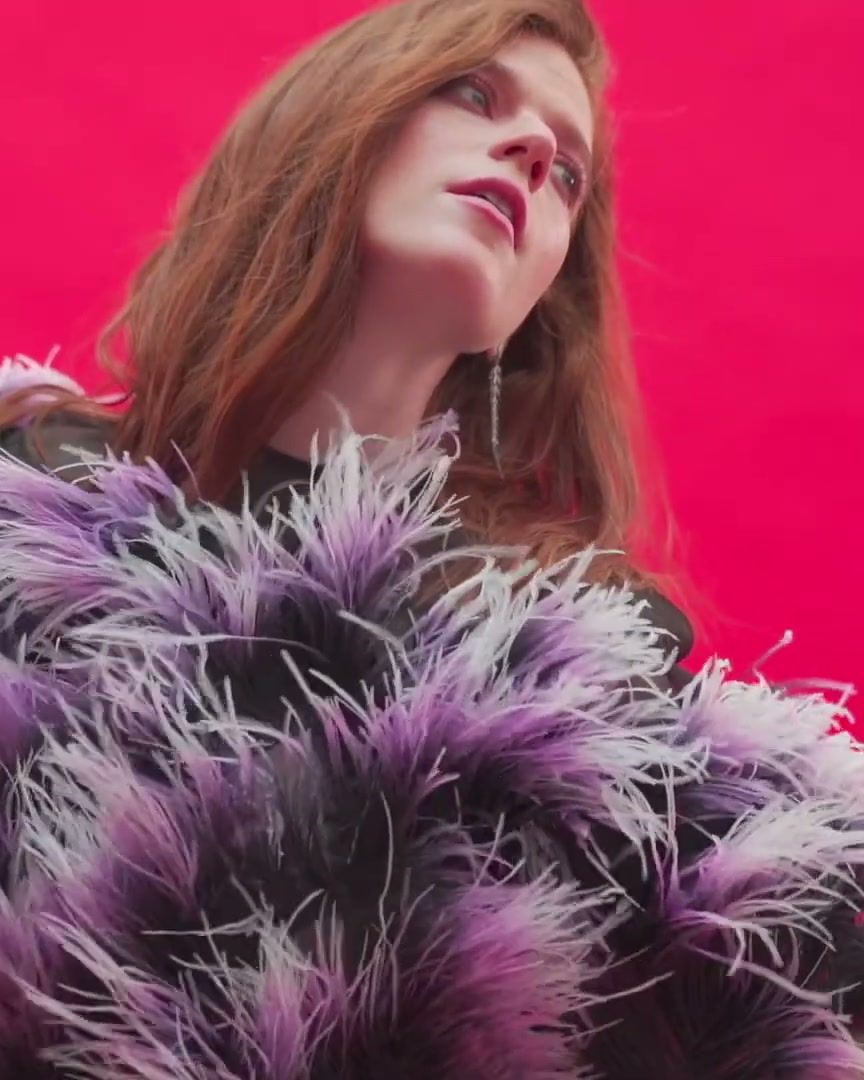
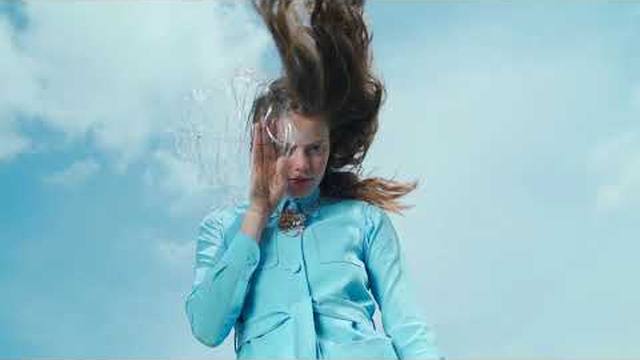
| Magazine fashion film | 1883 Magazine: Eliska Sky directed and edited, SwainUK on camera | References and edit style. When the director cuts the film, the shoot is the first half of the edit |
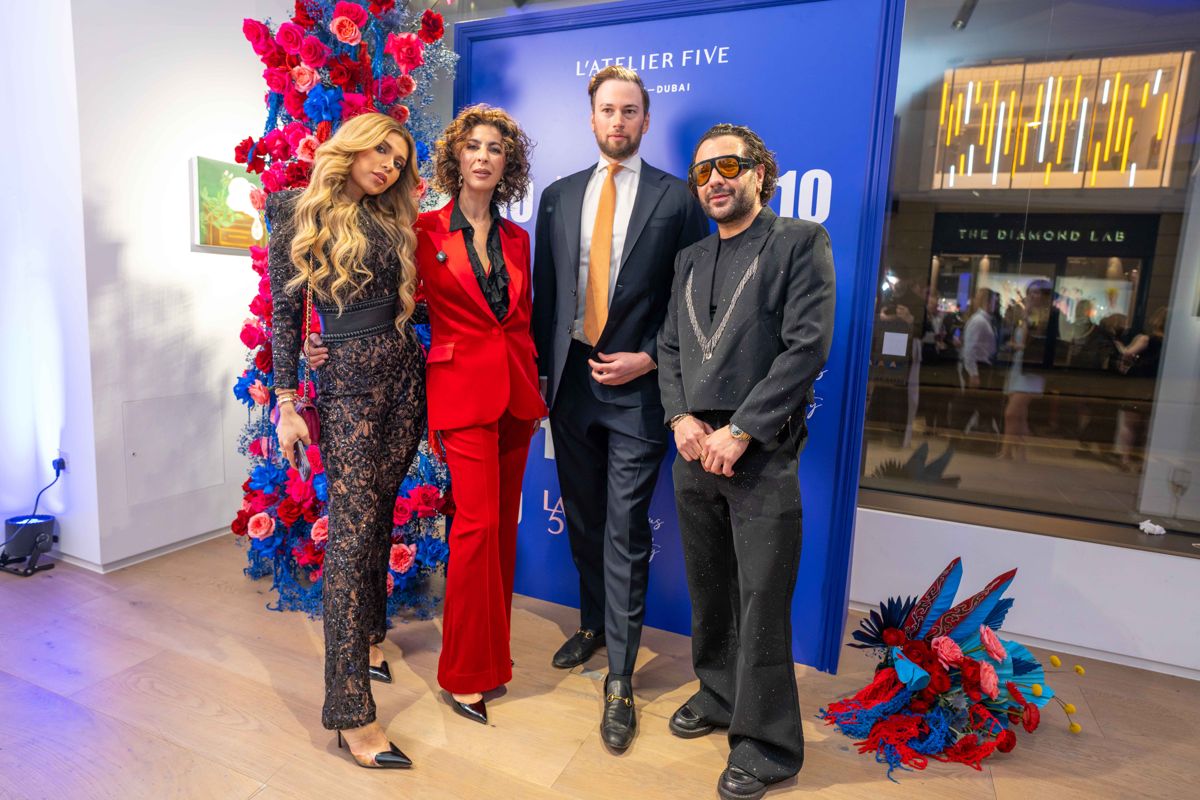
| Launch evening | L'Atelier Five at Opera Gallery London, covered in photography and film | Deliverables. With stills and film on the same night, the brief decides which moments belong to each |
| Sponsor content | Polo in the Park for IBV Gold, sponsor of Team Cape Town | Mandatories: where the brand appears, who must be filmed, who signs off and how fast |
| Crowdfunding launch | KickOff for ComboGame, made with Ori Amitai Productions | The single message. Backers can't buy the game in a shop, so the film must explain it in seconds |


Polo in the Park, London: the sponsor's player and the event around her, framed 9:16 for social.
At the polo, the useful brief was three questions agreed before the weekend: where does the brand appear, who must be filmed, and what will be posted where. Answered before the weekend, those three questions decide the framing and the shot list. At a launch like L'Atelier Five at Opera Gallery London, where the credits list both the photography and the film, the brief should decide in advance which moments belong to the film and which to the stills. For a crowdfunding film like KickOff, Kickstarter's own guidance on campaign videos gives the structure: an introduction, the core features, the backstory, supporting information and a call to action.
A video production brief you can copy
Project name and date sent.
1. Background: who we are, what is happening, links to the site and brand guidelines.
2. Objective: the one business result this film is for.
3. Audience: who they are, where they will watch, what they think of us now.
4. Single message: the sentence we want remembered.
5. Mandatories: must include / must avoid / legal lines / claims and evidence / people who must appear.
6. Deliverables: table of assets, lengths, ratios, subtitles, stills, BTS.
7. Usage: channels (organic, paid, website, TV, out of home), territories, term.
8. References: three we like (and why), one we don't (and why).
9. What we can provide: products and quantities, locations, people, footage, fonts, graphics.
10. Timeline: fixed dates, first cut, final delivery; which dates can move.
11. Approvals: the one person who signs off, rounds of changes, feedback turnaround.
12. Budget range and contacts for the day.
Usage is the section most often left blank and the most expensive to fix later. If the film might be boosted as an ad, write it in now; usage rights and licensing explained covers media, territory and term.
What makes a brief fail
A moodboard instead of a brief
Pictures show a look, not a goal. A production company can match a mood perfectly and still make the wrong film.
Everything is a priority
Ten messages in thirty seconds means none of them lands. Rank them, and accept that some go in the cutdowns.
The brief changes after the quote
A new location or an extra product changes the crew and the schedule. Lock the brief before you compare quotes.
Too many approvers
Five people giving notes on a first cut produces five conflicting edits. Name one person who decides.
Assets arrive late
Logos, fonts, product samples and legal copy are needed before the shoot, not during the edit.
"Make it go viral"
That's a hope, not an objective. Say what a good result looks like: sign-ups, sales, bookings, a sold-out event.
What a good production company sends back
A good brief gets a good reply: questions first, then a plan. Expect questions about anything vague, a treatment or reference deck, a quote that lists its assumptions (days, crew, locations, edit rounds, usage) and a schedule with real dates. If the reply skips the questions, the brief wasn't read.
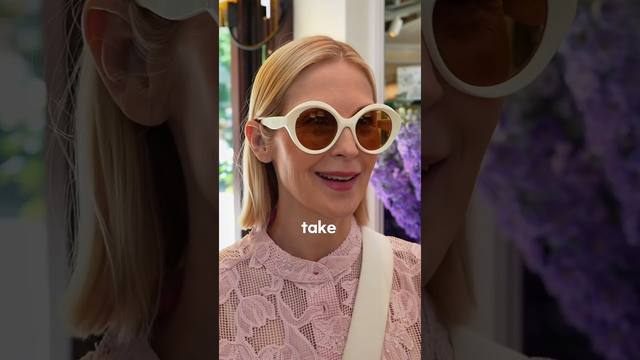
The plan is what makes a short shoot possible. The Kelly Rutherford x Code8 campaign was filmed in a London hotel in three hours, with the full edit done in one day; the behind-the-scenes Short opens on the planning, a visual deck with reference frames for each scene and a shot list with the shot size and location written against every line. That level of planning only happens when the brief is clear about the idea, "beauty, but simple", before anyone arrives. For the shooting side of a London brief, including permits and a half-day schedule, see shooting a commercial in London.1
Films from these briefs


Questions
What should a video production brief include?
Background, one objective, the audience, a single message, mandatories, a deliverables table, where the film runs and for how long, references with reasons, what you can provide, a timeline, who approves, and a budget range.
How long should a video brief be?
Usually two to three pages. Most sections need only a few sentences; the deliverables table and the timeline are the parts worth writing in detail.
Should I tell a production company my budget?
Give a range. Without one, each company quotes for a different film and you can't compare them. A range lets them plan the crew, days and deliverables to fit.
What is the difference between a brief and a treatment?
The brief is written by the client and says why the film exists, who it's for and what it must contain. The treatment is the production company's answer: how the film will look, feel and be made.
Sources
Work with SwainUK
Planning a shoot like this?
Commercial film and photography in London and Dubai: concept, crew, lighting, shoot and edit, from one team.
Next in the journal
All guides and case studies How to Hire a Videographer in London: Portfolio Checks, Questions to Ask, a Brief Template and Red Flags
 Beauty Photography Lighting Setups: Clamshell, Butterfly, Side Light and Hard Sun, With Dubai Examples
 Video Production Timeline: From Brief to Delivery, Phase by Phase, With Dubai Permits and Seasons