London and Dubai · Guide for photographers, filmmakers and brands
“You're not selling pictures. You're renting them out.”
A licence is permission to use images in a certain way, for a certain time, in a certain place. The same photograph is worth very different amounts as an Instagram post for a month and as a worldwide billboard for a year. Getting usage right protects your income and saves the client from nasty surprises later. Here's how usage is built, how to write it into a quote, and the mistakes that cost both sides.

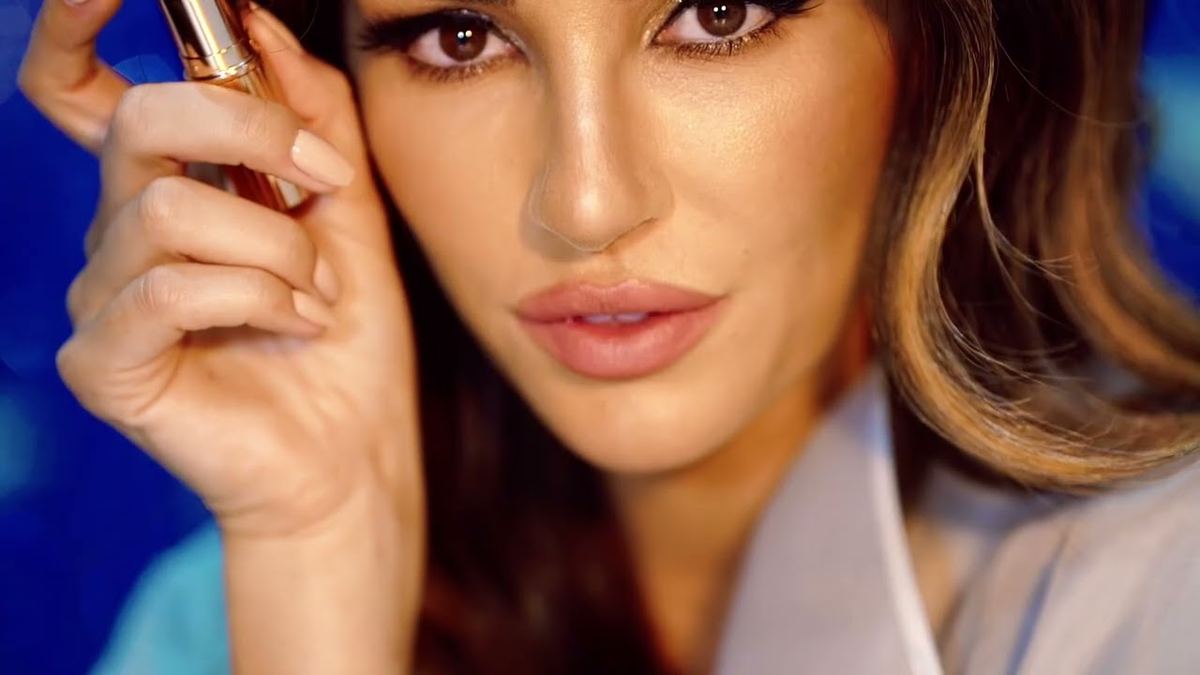
A billboard campaign: Charlotte Tilbury Eid
01 · The basics
Three things decide the value of a licence
| Factor | Question | Examples |
|---|---|---|
| Media | Where will it appear? | Organic social, paid social, website, print, in store, billboards, TV |
| Territory | Where in the world? | UK only, UAE, GCC, Europe, worldwide |
| Term | For how long? | One month, six months, a year, in perpetuity |
The wider each of these gets, the higher the fee. Exclusivity (the image can't be licensed to anyone else) and the size of the brand also push it up.
Background: Fstoppers, pricing commercial photography: licence fees.
02 · Examples
The same shoot, different usage
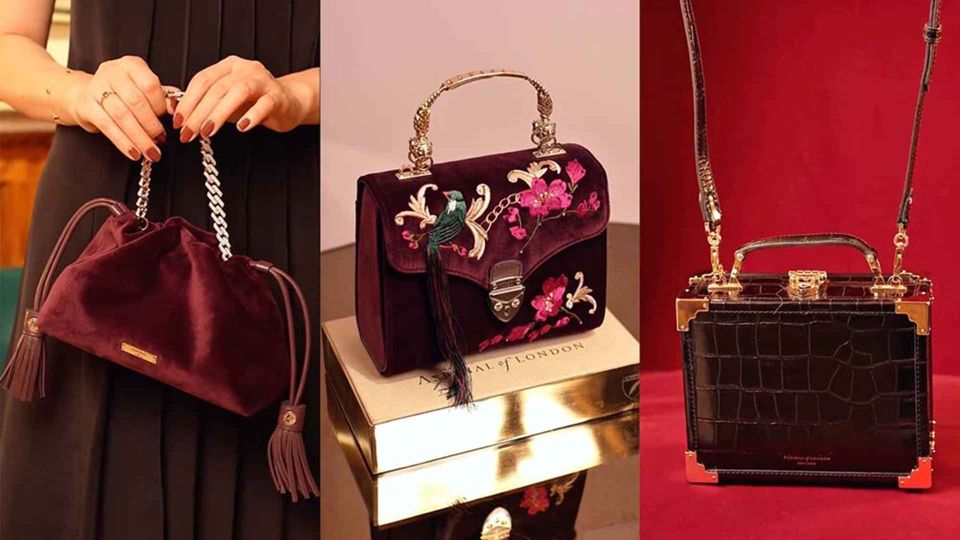
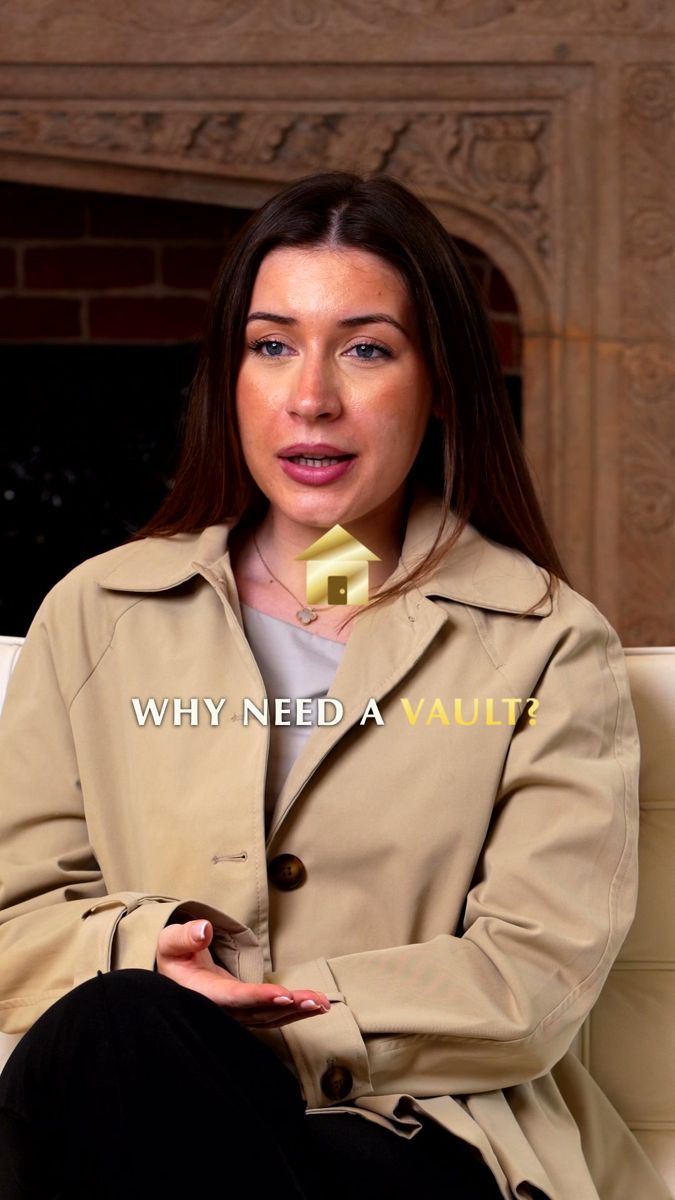
A lifestyle campaign (Aspinal of London) and a paid social ad (IBV Gold).
Organic social
Posts on the brand's own channels. Usually the smallest licence.
Paid social
The same image boosted as an ad reaches far more people, so it's licensed higher. Ads like the IBV Gold series are paid usage from day one.
E-commerce and website
Product pages and the brand site, often for a year or longer.
Out of home
Billboards and in-store displays, like an Eid billboard campaign, are the top of the scale.
03 · The quote
Write usage into every quote
Creative fee: your time on set and in the edit.
Usage: media, territory and term, stated separately.
Expenses: crew, kit, studio, travel, permits.
Talent usage: models and music are licensed too, for the same media, territory and term.
Extensions: the price to extend the term or add media later.
Separating usage from the creative fee makes it easy for the client to see what they're paying for, and easy to extend later without renegotiating everything.
04 · Mistakes
Mistakes that cost both sides
"Unlimited" by default
Giving away worldwide, forever usage on a small fee leaves money on the table and sets a price the client will expect next time.
Forgetting the talent
If the photos go on a billboard but the model was booked for social only, the client has a problem. Match model and music usage to the image licence.
Nothing in writing
A licence that only exists in an email thread is easy to dispute. Put it in the invoice or a short licence document.
Organic turning into paid
A post that performs well often gets boosted. Agree upfront what happens if organic content becomes an ad.
See also: model release forms for UK and UAE shoots, and the brief template in shooting a commercial in London.
Watch
Campaigns on film


FAQ
Common questions
What are usage rights in photography?
Permission for a client to use images in specific media, territories and for a set time. The photographer usually keeps copyright and licenses the use.
How do you price image licensing?
By media, territory and term, plus exclusivity and the size of the brand. Wider use costs more, and usage is best quoted separately from the creative fee.
Does a client own the photos they pay for?
Not usually. In most commercial work the photographer keeps copyright and the client buys a licence, unless the contract assigns copyright.
What happens if a client uses images beyond the licence?
That use isn't covered. The usual fix is an extension fee agreed in writing, which is why it helps to set extension prices in the original quote.
Written by Joshua Swain, who shoots campaigns in London and Dubai. This is general guidance, not legal advice.