Dubai · Guide for brands, marketing teams and producers
Video Production Timeline: From Brief to Delivery, Phase by Phase, With Dubai Permits and Seasons
The shoot day is the shortest part of a production. A phase-by-phase timeline from brief to final files, with Dubai permits, seasons and real campaign examples.
- Words and camera
- Joshua Swain
- Published
- Reading time
- 8 min
- Filed under
- Guide

In brief
- The length of each one changes with the size of the job, but the order never does, and skipping a phase only moves the problem further down the line, where it costs more time to fix.
- A clear brief lets the production team plan in days; a vague one turns into weeks of back and forth.
- Pre-production is the longest phase, and in Dubai it has a hard floor: the permit.
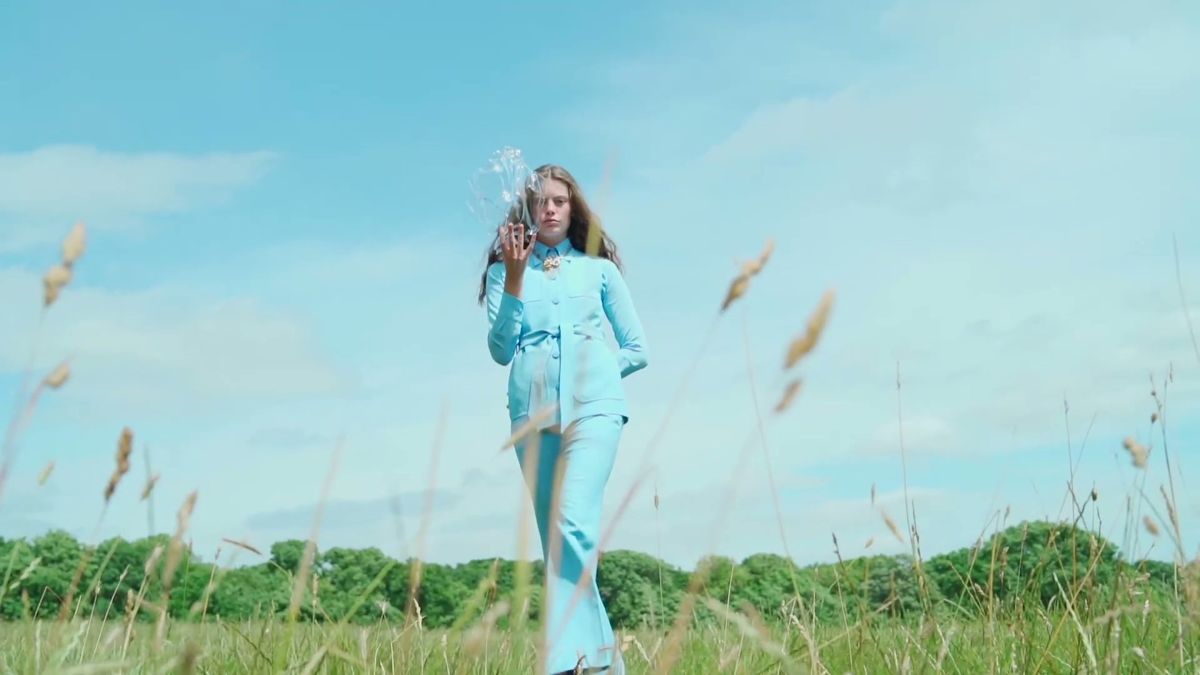
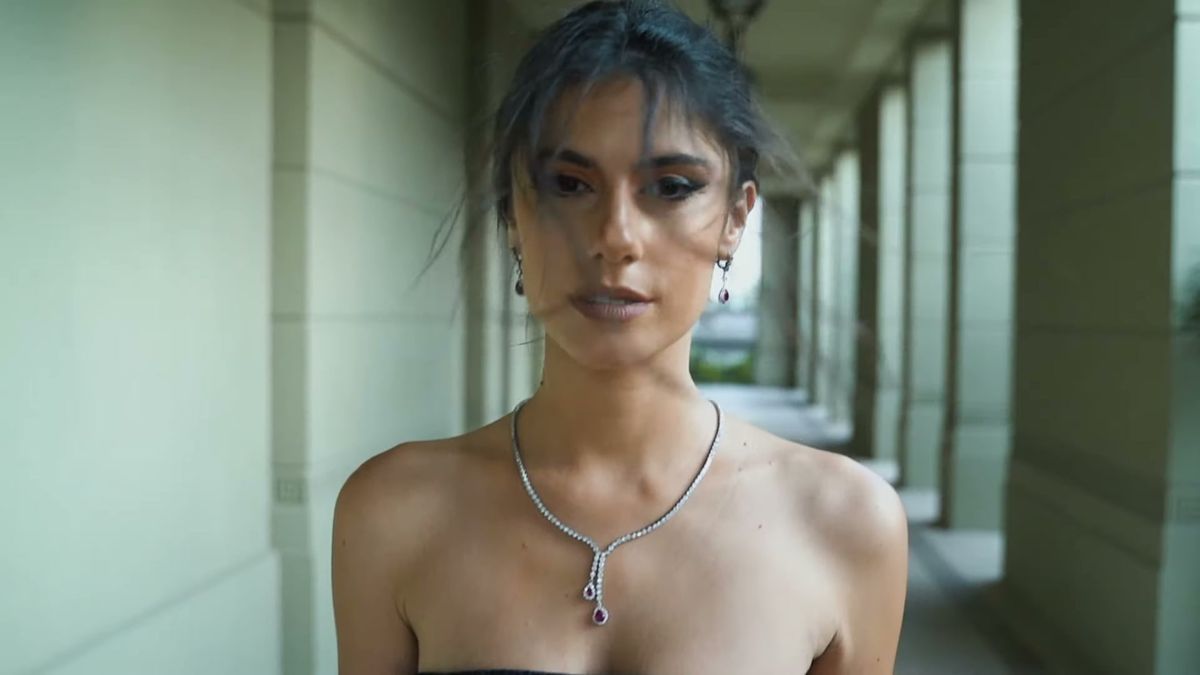
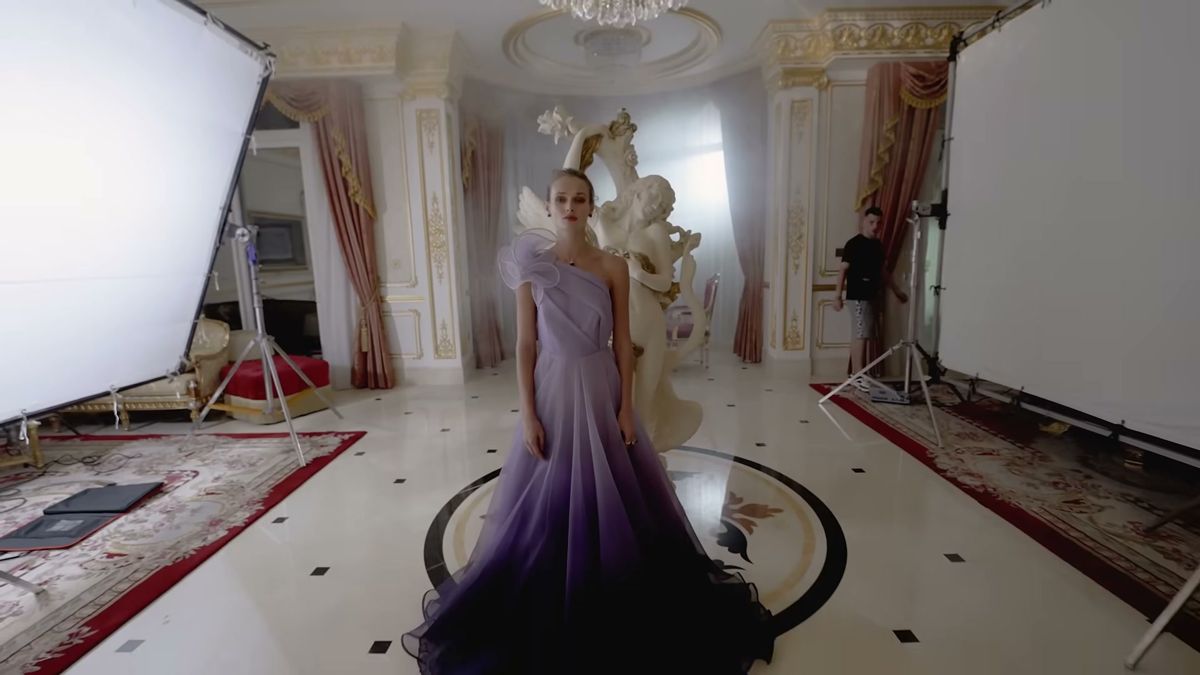
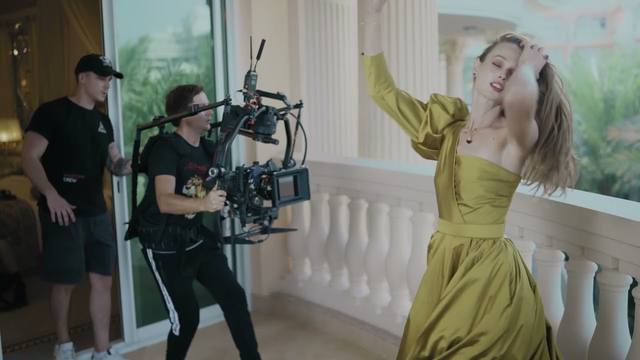
- On the Damas films the day moves between a palace garden, terraces, gilded rooms and a balcony, each look with its own gown, pieces and light.
- Post-production is where timelines slip, almost always because of feedback, not editing.
Contents 10 sections
- 01A video production timeline at a glance
- 02Week one: the brief and the deliverables list
- 03Weeks two to four: where most of the time goes
- 04The shoot day, and why it's short
- 05Editing, feedback rounds and colour
- 06The last week: versions, sizes and handover
- 07Plan backwards from go-live
- From set to screen
- Questions
- Sources
Most brands plan a video around the shoot date and then discover everything that has to happen before and after it. This guide sets out a realistic video production timeline from the first brief to the final files, phase by phase, with the Dubai-specific steps that add time: permits, the season, Ramadan and the summer heat. The worked examples are SwainUK productions: the Damas Jewellery campaigns made with 1602 Studio, Charlotte Tilbury's Eid billboard shoot, and a Code8 Beauty film that went from a three-hour shoot to a finished edit in one day.
The shoot day is the shortest part of a production. The weeks either side of it decide how good it is.
A video production timeline at a glance
Every production goes through the same five phases. The length of each one changes with the size of the job, but the order never does, and skipping a phase only moves the problem further down the line, where it costs more time to fix. The ranges below are typical for a brand campaign or a social content shoot in Dubai with a small crew. A large multi-location campaign takes longer; a single product film can be quicker.
| Phase | Typical length | What gets decided |
|---|---|---|
| 1. Brief | A few days to a week | Goal, audience, deliverables, where the content will run, deadline |
| 2. Pre-production | Two to four weeks in Dubai | Concept, shot list, casting, locations, permit, crew, kit, schedule |
| 3. Shoot | Usually one day, sometimes two or three | Everything on the shot list, plus the behind the scenes |
| 4. Post-production | One to three weeks | Edit, feedback rounds, colour, sound, graphics |
| 5. Delivery | A few days | Masters, cut-downs, every aspect ratio, stills, captions files |
Work backwards from the date the content has to go live. If a campaign launches on a fixed day, such as Eid or a store opening, that date is the end of the delivery phase, not the shoot.
Week one: the brief and the deliverables list
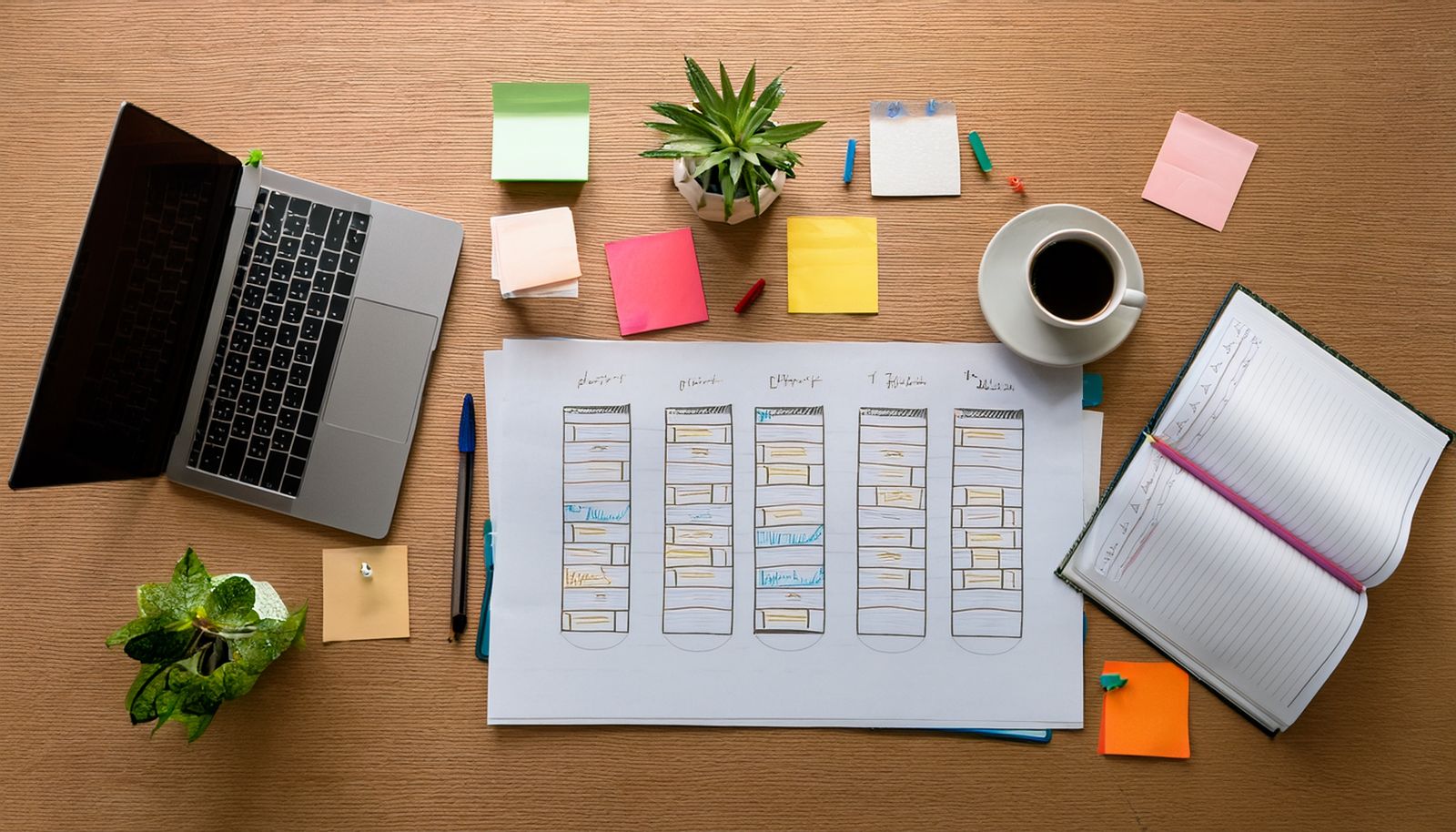
The brief is the cheapest place to save time. A clear brief lets the production team plan in days; a vague one turns into weeks of back and forth. Before anyone talks about dates, agree four things in writing:
1. The goal. Launch a collection, sell a product, grow a channel, record an event.
2. The deliverables. A hero film, cut-downs, vertical edits, stills, behind the scenes. Count them. Every extra version adds edit time.
3. Where it will run. Paid social, a billboard, a website, in-store screens. This decides aspect ratios and resolution before anyone touches a camera.
4. The go-live date. The fixed point the whole timeline works back from.
The Charlotte Tilbury Eid campaign shows why the deliverables list comes first. It needed a billboard and films for social from one set, so the billboard layouts, the copy space and the stills-then-film running order all had to be known before the shoot. That story is in the Charlotte Tilbury billboard case study.
Weeks two to four: where most of the time goes
Pre-production is the longest phase, and in Dubai it has a hard floor: the permit. Commercial shoots need a permit applied for through a UAE-licensed production company, and the Dubai photoshoot permit guide recommends booking it two to four weeks out, because script approval alone can take up to 25 business days. Private venues such as hotels, palaces and malls issue their own written permission on top of that. Paid creator content has its own rule as well; see the UAE Advertiser Permit guide.
Concept and shot list
The concept becomes a list of shots with a size, a location and a purpose against each line. It's the document everyone works from on the day.
Casting and talent
Models, talent and their agents need options, holds and confirmations. A well-known face can have only a few hours, which shapes the whole schedule.
Locations and permits
Recce at the time of day you will shoot, then get written permission and the permit started. In Dubai this runs in parallel with everything else.
Sets, wardrobe and product
Built backdrops, gowns and product samples all have lead times. Jewellery needs a named person responsible for every piece.
The Damas campaigns are a good model of how this is split at scale. The credits list director Yehia Bedier and production company 1602 Studio, with SwainUK as cinematographer, and the locations and approvals were handled by the production house before the crew arrived. When pre-production is done properly, the crew turns up to a schedule, not a set of questions.
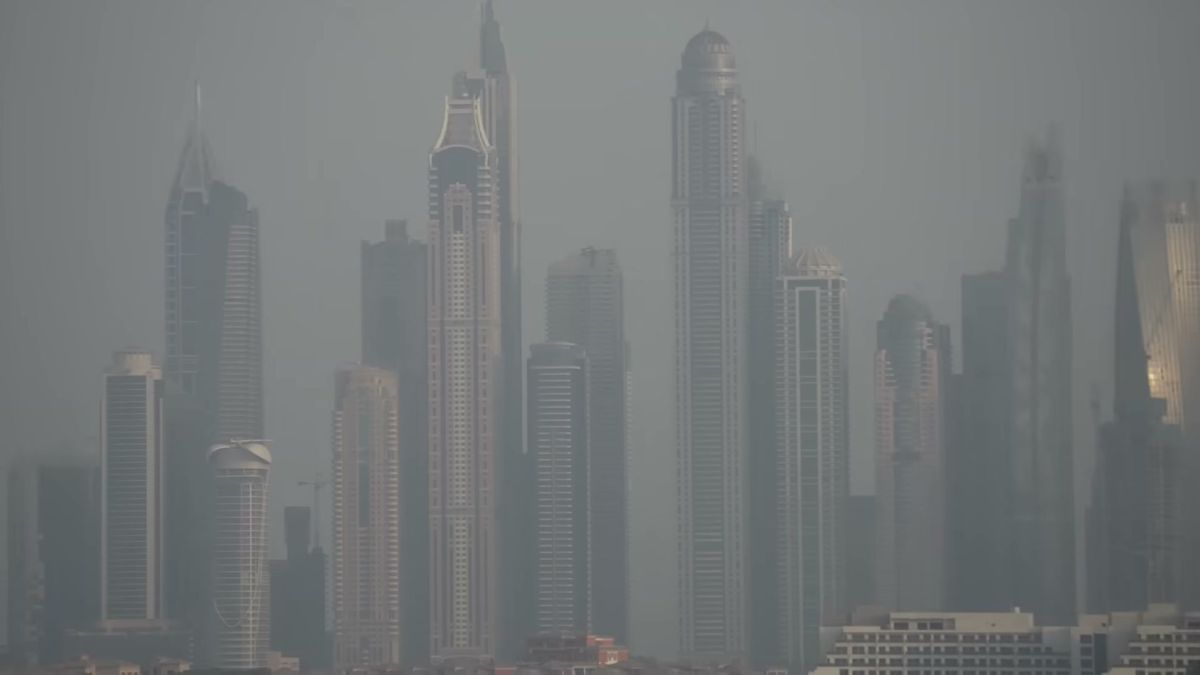
Build the calendar into the timeline. October to April is the outdoor shooting season. From 15 June to 15 September outdoor work is banned between 12:30 and 15:00, so summer shoots move indoors or to the early morning; the full plan is in shooting in Dubai's summer heat. Ramadan changes working hours and the tone of content, and campaigns for Eid are shot well before it; the dates are in the Ramadan and Eid campaign planning guide.
The shoot day, and why it's short
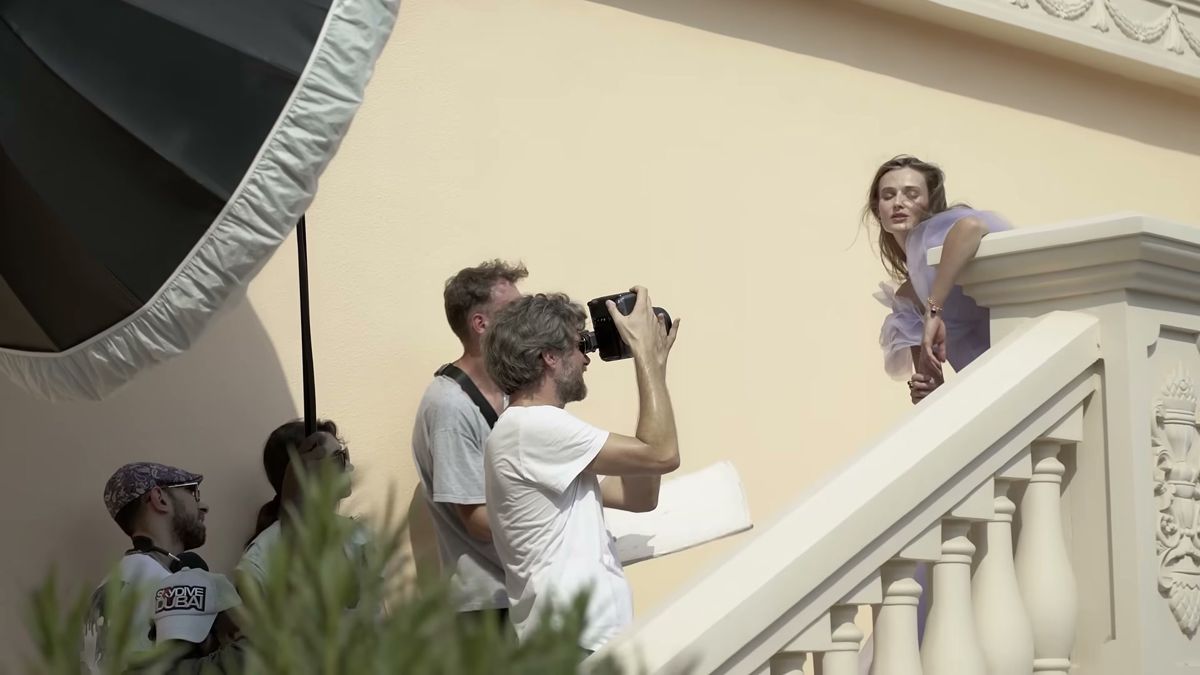
A well-planned shoot is usually one day. On the Damas films the day moves between a palace garden, terraces, gilded rooms and a balcony, each look with its own gown, pieces and light. A day like that only works with a running order: outdoor looks in the first and last hours of daylight, interiors in the middle of the day, and an agreement about where the video camera stands so it never ends up in the photographer's frame.
Speed comes from the plan, not from rushing. The Kelly Rutherford x Code8 campaign in London was shot in three hours, lit with one Aputure 300D and filmed on a Sony A9 Mark III with a 28-70mm f2 on a DJI RS4 Pro gimbal. Its behind-the-scenes film opens on the planning: a visual deck and a shot list with the shot size and location against every line. The breakdown is in the Code8 set vs screen case study.

A typical shoot-day order: crew call and set-up, hair and make-up, the priority shots while everyone is fresh, product details and cutaways, the behind the scenes throughout, and a final check of the shot list before wrap.
Stills and video together: agree who goes first on each set-up. On the Charlotte Tilbury shoot the stills were shot under strobes first and checked on a tethered laptop, then the films were made on the same set.
Releases on the day: everyone recognisable signs before the camera rolls. See model release forms for the UK and UAE.
Editing, feedback rounds and colour


ALIF by DAMAS: printed references on set, frames reviewed on the laptop. Approving on the day shortens post.
Post-production is where timelines slip, almost always because of feedback, not editing. Agree the number of revision rounds and who gives feedback before the edit starts, and ask for one consolidated set of notes per round rather than comments from five people on different days.
| Step | What happens | What slows it down |
|---|---|---|
| Selects and assembly | The best takes laid out in shot-list order | No shot list, so the editor has to search for a story |
| First cut | The hero film with music and pace | Music not agreed or not licensed |
| Revisions | One to two rounds of consolidated notes | New ideas that weren't in the brief |
| Colour and sound | Grade, mix and any graphics or titles | Late changes to on-screen text and legal lines |
| Versions | Cut-downs and aspect ratios from the approved film | A deliverables list that grows after the shoot |
A one-day edit is possible when the shoot followed a tight plan, as on the Code8 film, where post-production including the full edit was completed in one day. Most campaigns with several versions and a client approval chain take one to three weeks.
The last week: versions, sizes and handover
Delivery is a phase of its own because one approved film becomes many files. The Damas work went out as a one-minute horizontal behind-the-scenes film, a vertical Damas x Dome film of under half a minute, the ALIF behind-the-scenes and longer interview and event films. Each one is exported, checked and named separately.
Every shape
16:9 for YouTube and the website, 9:16 for Reels, TikTok and Stories, 4:5 for the feed. Plan them on set, as covered in shooting vertical-first.
Clean versions
A version without text or music lets the brand re-cut and re-caption later without a new edit.
Stills and frame grabs
Thumbnails, covers and frame grabs for press go in the same handover.
An agreed file list
Name files by format, length and version. The person posting at the brand will thank you.
Plan backwards from go-live
Go-live date: fixed, and known by everyone.
Minus one week: final versions approved and delivered.
Minus two to three weeks: shoot day, with the edit starting the day after.
Minus four to six weeks: brief signed off, permit and venue permissions started, talent on hold.
Then check the calendar: summer midday ban, Ramadan hours, public holidays and the venue's own events.12
From set to screen



Questions
How long does it take to make a brand video?
For a typical brand campaign, allow about four to eight weeks from brief to delivery: a week for the brief, two to four weeks of pre-production, usually one shoot day, then one to three weeks of editing and delivery. Simple social content can be faster; multi-location campaigns take longer.
What are the stages of video production?
Brief, pre-production (concept, shot list, casting, locations, permits), the shoot, post-production (edit, revisions, colour and sound) and delivery of every version and format.
How far in advance should I book a video shoot in Dubai?
At least four to six weeks before the content goes live. The shoot permit should be booked two to four weeks out because script approval can take up to 25 business days, and venues need their own written permission.
How long does video editing take?
One to three weeks for most campaigns, depending on the number of versions and feedback rounds. A tightly planned shoot can be edited much faster: the Code8 film with Kelly Rutherford was fully edited in one day.
Sources
Work with SwainUK
Planning a shoot like this?
Commercial film and photography in London and Dubai: concept, crew, lighting, shoot and edit, from one team.