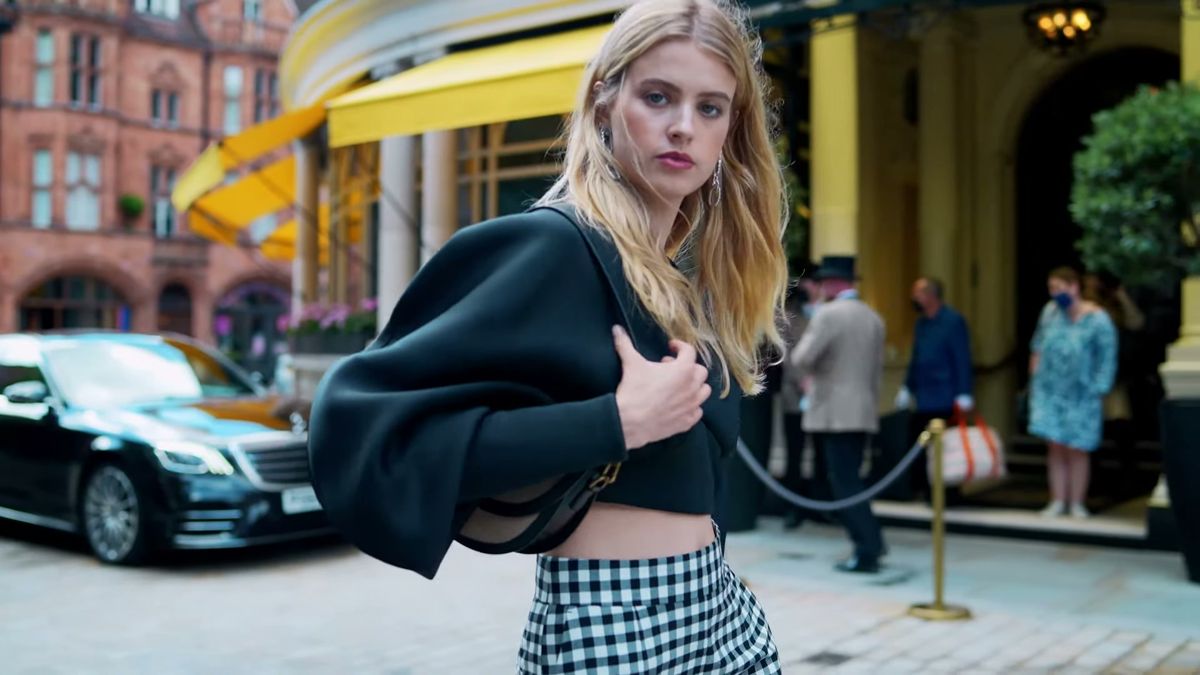
London · Guide for brands, agencies and filmmakers
“An ad asks for the sale. A brand film gives people a reason to care first.”
Brand film production in London covers a wide range of work: a minute of a traveller packing a leather bag, a designer's collection walking through a glasshouse, an artist talking about why she makes work at all. What these films share is that they lead with a story, a person or a world, and let the product sit inside it. This guide covers how a brand film differs from an ad or a product video, how to find the story, how to write it on one page, how to shoot it so the edit has choices, and how to cut it into everything a brand needs afterwards, with SwainUK films for Aspinal of London, Staccato, Rose Danford-Phillips and the LYSSA series as worked examples.
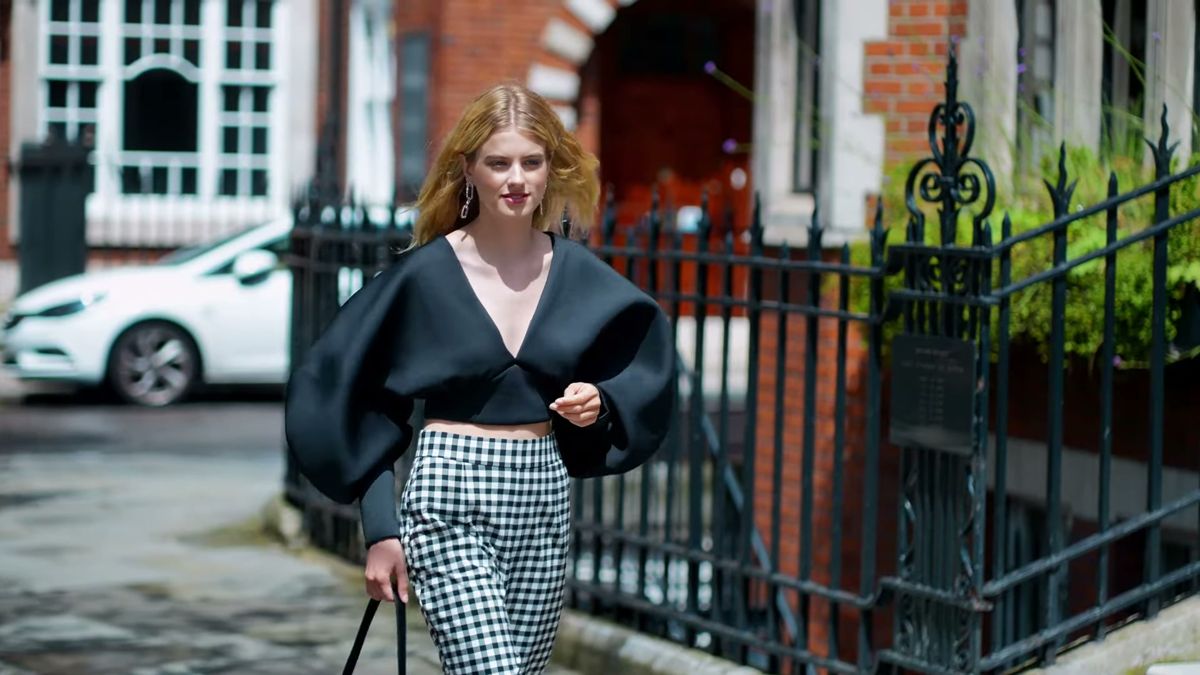
Staccato, filmed in London in natural light by SwainUK
01 · Definitions
What a brand film is, and what it isn't
Most confusion on a brand film comes from the brief asking one video to do four jobs. It helps to name the job before anything else is booked.
| Video | Its job | Measured by |
|---|---|---|
| Ad | Get a specific action now: click, buy, sign up | Clicks, cost per result |
| Product video | Show exactly what the product is: size, detail, use | Questions answered, returns avoided |
| Corporate video | Explain the company to clients, staff or investors | Clarity, trust |
| Brand film | Make people feel what the brand is about, through a story | Watch time, recall, how much of the rest of the campaign it feeds |
A brand film can contain product shots, and a good one cuts down into ads. But if the hero film has to list features, show prices and push a discount code, it stops being a story. Give those jobs to the cutdowns. For the other formats, see product video production and corporate video production in London.
02 · The story
Four story shapes that work for brands


Aspinal of London: the passport goes in, the sunglasses go on, the luggage is ready. A small journey told in under a minute.
You don't need a script with dialogue. Most brand films use one of four simple shapes, and choosing one early makes every later decision easier.
A small journey
Someone gets ready, goes somewhere, arrives. The Aspinal of London lifestyle campaign follows a man in a wood-panelled room: luggage, the red-lined case being packed, a passport slipped into a bag, sunglasses on. Every product appears because the story needs it.
A person
A founder, a maker, a customer or an artist, in their own words. The LYSSA series is a documentary interview with a London artist about burnout, revival and making work.
A world
No plot, just a strong place and a mood the brand owns. The Rose Danford-Phillips AW2020 collection film puts the prints among the palms and white ironwork of a Kew glasshouse.
A problem solved
Show the feeling first, then how the product helps. The KickOff Kickstarter film mixed live action and animation so a new board game could explain itself.
The Aspinal brief put it simply: show the product in real London life, not just on the shelf. That one sentence is a story shape. If your brief can't be said in a sentence like that, it isn't ready to shoot.
03 · The treatment
Write it on one page
Before casting or locations, write a one-page treatment. It's the document the brand signs off, the crew works from and the editor checks against. Here is a template you can copy.
The line: one sentence. "A traveller gets ready to leave, and every piece he takes is ours."
The feeling: three words for how the viewer should feel at the end.
The shape: journey, person, world or problem solved.
The beats: five to eight moments, each one a line. Opening image, three or four middle beats, the final image.
The product moments: which beats the product lives in, and how it is used rather than shown.
The people: actor, model, founder, real customer, and what they do on screen.
The place: one main location, ideally one that already looks like the brand.
The sound: music only, voiceover, interview, or natural sound.
The outputs: hero length, cutdowns, vertical versions, stills.
For a fashion-led brand, the fashion film guide goes further into casting through agencies and music licensing.
04 · The shoot
Shoot beats, not just pretty shots
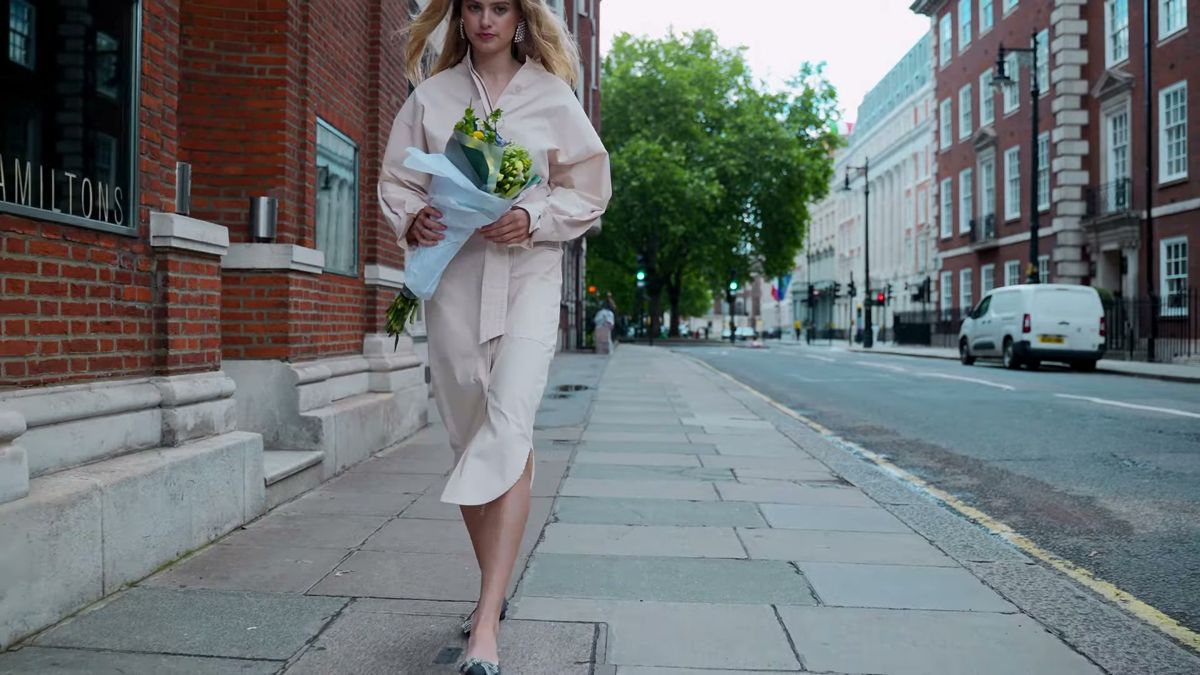
Staccato: a bouquet in hand turns a walk into a moment. The shoes are still the subject.
A brand film falls apart in the edit when the footage is a collection of nice frames with nothing linking them. Shoot each beat in the treatment as a small scene, with enough coverage to cut it at different lengths.
| For each beat | What it gives the edit |
|---|---|
| A wide | Where we are. The opener, and the shot that resets the viewer between beats |
| A mid | What the person is doing. The shot that carries the story |
| Hands and details | The product in use: the zip, the clasp, the passport going in. The shots ads are built from |
| A face | The reaction. Without it, the film has no feeling |
| A transition | A walk out of frame, a door, a turn: something to cut on |
Props do a lot of the storytelling. In the Staccato films, the model walks London streets with a bouquet, a bag over her shoulder, past railings and red brick: small, ordinary actions that make the shoes part of a day rather than a catalogue. In the Aspinal film, the passport and the packed case do the same job for the luggage. Natural actions also look better on camera than poses, so give the person something to do in every beat.
On the technical side, plan the shoot around one main location and a small crew, which in London also keeps the permissions simple. The street, park and venue rules are in shooting a commercial in London.
05 · People
Who is on screen
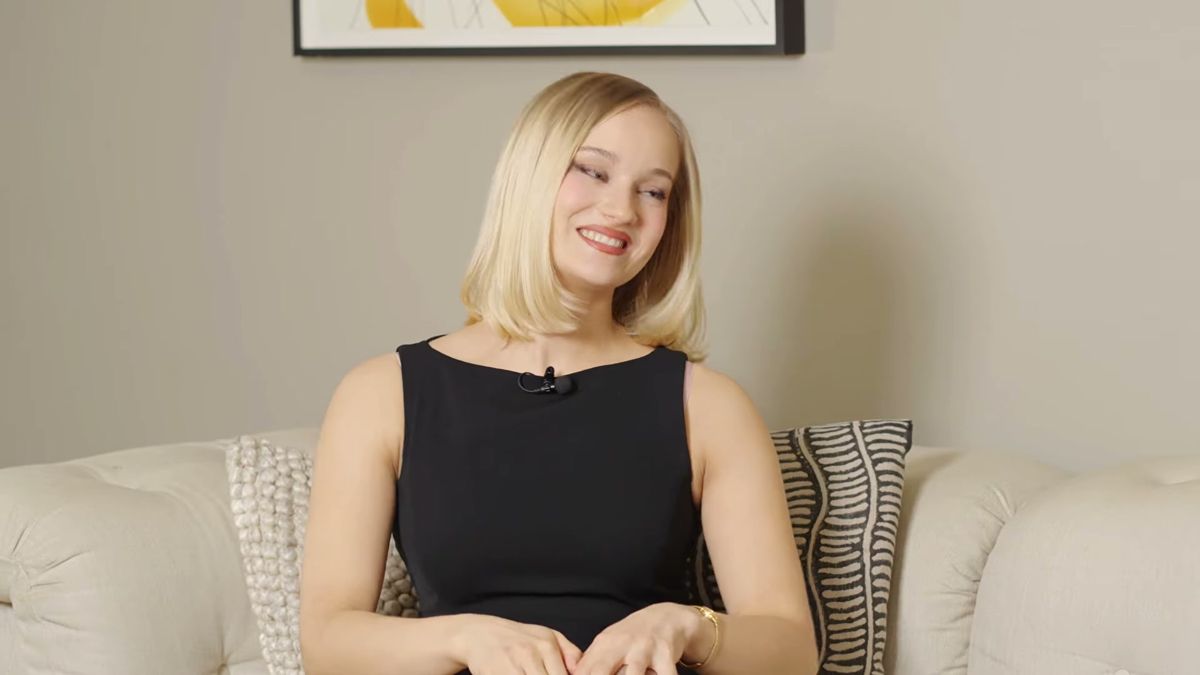
LYSSA, a documentary interview series filmed, edited and conducted by Joshua Swain in Soho.
The person on screen decides how the film feels more than any camera choice. Models and actors give you control and polish. Founders and makers give you credibility, but need time and good questions to relax. Real customers give you truth, and need the most care in casting and releases.
If the story is a person, treat it like a documentary. The LYSSA series works because the camera stays on a long, unhurried conversation, and the artist's own words carry the film. That approach suits founders and makers too: ask open questions, let silences run, and build the story in the edit from the best answers. The full method is in the LYSSA case study, and on why audiences trust real people over generated ones, see real people vs AI in advertising.
06 · The edit
Edit, music and the cutdowns
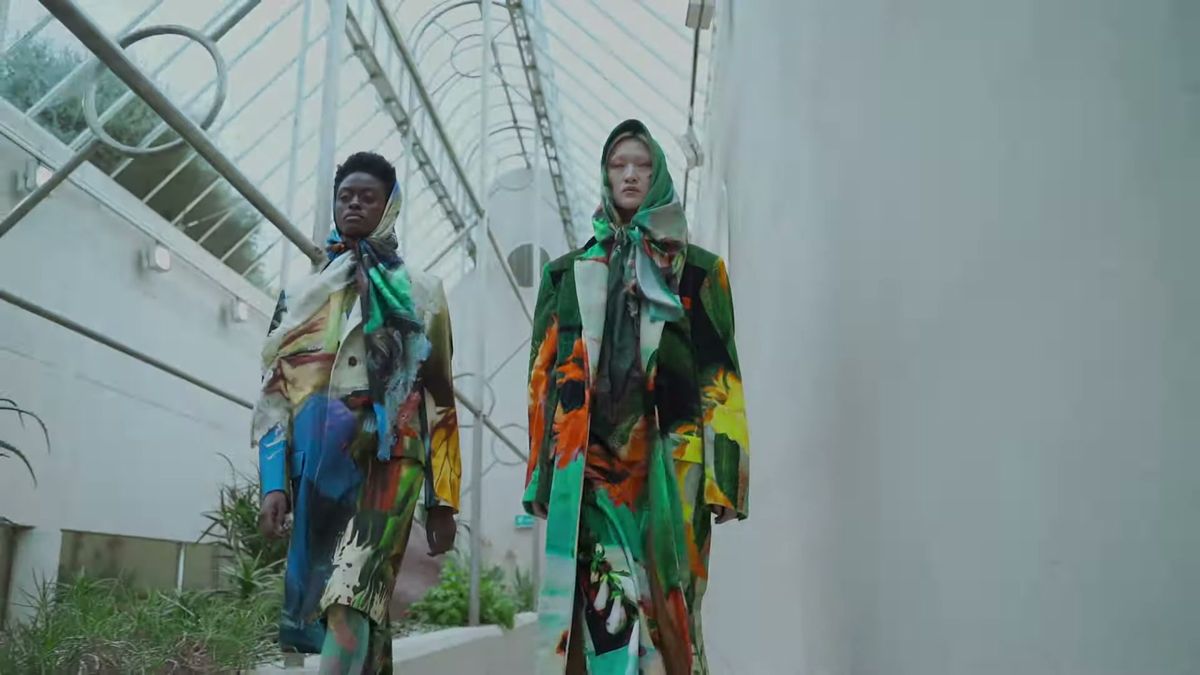
Rose Danford-Phillips AW2020 at Kew: a world-shaped film, where the place and the prints carry the story.
Brand films in a portfolio like this are short. The Staccato and Rose Danford-Phillips films and the Aspinal lifestyle film each run about a minute or less. Short isn't a rule, but every second has to earn its place, and a tight hero film is far easier to cut down than a long one.
Cut to the music last
Build the story order first with a temp track, then fit the cut to the licensed music. Clear the music before the edit is locked.
End on an image
The last frame is what people remember. Plan it in the treatment and shoot it properly, not as an afterthought.
Logo late, and once
A story that opens on a logo tells people it's an ad. Put the brand at the end.
Plan the cutdowns on set
Each beat should work on its own as a few seconds of social. Frame with room for 9:16 or shoot the key beats twice. See shooting vertical-first.
Hero film: the full story, 16:9, for the website, YouTube and launches.
Short cuts: shorter versions built from the strongest beats, for paid social.
Verticals: 9:16 versions of the key beats for Reels, TikTok and Stories.
Loops: silent details for product pages and email.
Stills: frame grabs or a photographer on set, so the campaign matches.
Behind the scenes: a short film of the making of, which often outperforms the hero on social. See behind the scenes video for brands.
Watch
Brand films from London


More guides
Keep reading
FAQ
Common questions
What is a brand film?
A short film that tells a story about what a brand stands for, through a journey, a person, a world or a problem solved, with the product inside the story rather than at the centre of a sales pitch. It usually becomes the source for the campaign's ads, social cuts and stills.
What is the difference between a brand film and an advert?
An advert asks for an action now and is judged on clicks or sales. A brand film aims to make people feel something about the brand and is judged on attention and recall. A good brand film shoot also produces the short ads.
How long should a brand film be?
As long as the story needs and no longer. Many brand films for fashion and lifestyle brands run around a minute; documentary-style films about a person can be much longer. Plan shorter cutdowns and vertical versions either way.
How do I plan a brand film shoot in London?
Write a one-page treatment with the story line, beats, product moments, people, place, sound and outputs. Choose one main location and a small crew, check the permission that location needs, then shoot each beat with a wide, a mid, details, a face and a transition.
Written by Joshua Swain, a cinematographer making brand, fashion and beauty films in London and Dubai. The Aspinal of London lifestyle campaign is on the Aspinal of London project page.