
London · Case study for filmmakers, artists and galleries
“An artist documentary is not a portrait of the work. It is a portrait of the person who keeps making it.”
LYSSA is a documentary interview series filmed in Soho, London, with Finnish-born London artist Alisa “Lyssa” Rautio. Episode 1, “I’m so sorry, I didn’t get a chance to clean up before you got here”, is about art, struggle, burnout and revival. Episode 2, “If a machine made it, who bled for it?”, goes into painting with her own blood, the neuroscience of emotion and what art means in the age of AI. Joshua Swain filmed, edited and conducted the interviews. This case study breaks down how a long-form artist documentary like this is set up, lit, cut and turned into a series, so you can plan your own.
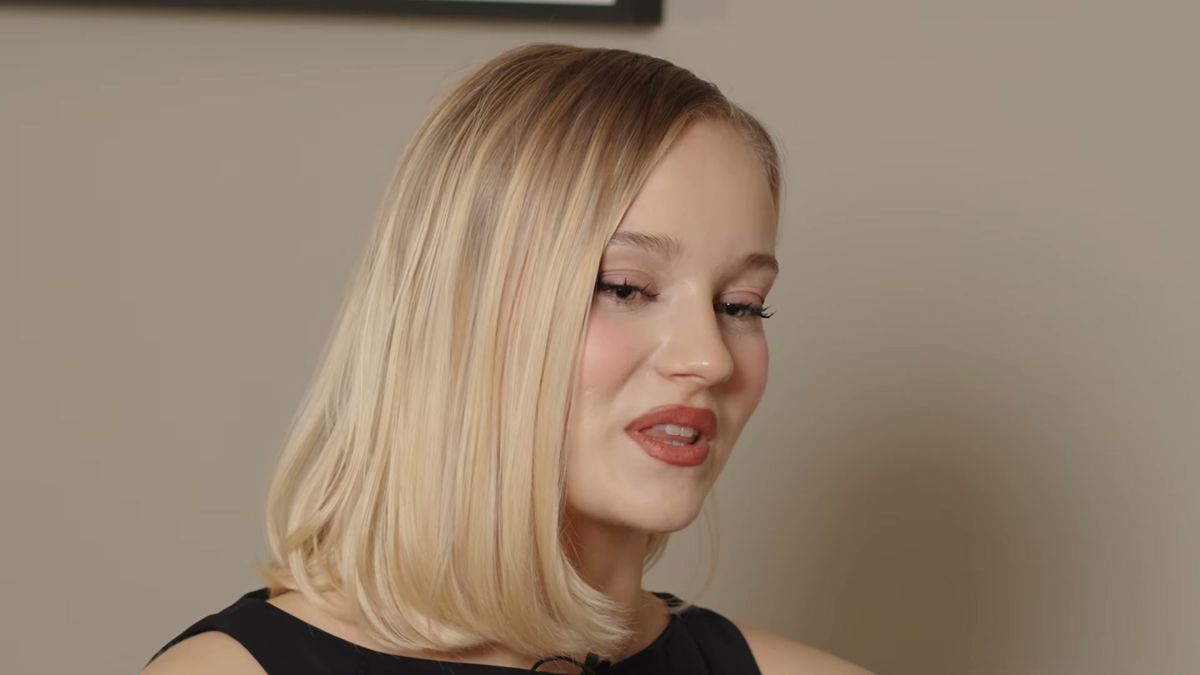
Alisa “Lyssa” Rautio · LYSSA, Soho
01 · The project
What LYSSA is, and who it is for
The series sits on the SwainUK YouTube channel. Episode 1 runs to about 35 minutes and was published in February 2026; Episode 2 runs to about 22 minutes and followed in March 2026. Both were filmed on Dean Street in Soho, with lighting and equipment from swainuk.com.
Episode 1 centres on one piece: I’m so sorry I didn’t get a chance to clean up before you got here, a mixed media work assembled from found objects and discarded materials, which the episode description says ended up in one of London’s most exclusive private collections. The line the episode is built around is Lyssa’s own: “Making crap art is so much more important than not making art.” Episode 2 picks up her practice of painting with her own blood, which the description says was inspired by the Finnish artist Toni R. Toivonen, and asks whether work made by a machine can carry anything at all.
| Episode | Length | The question it asks |
|---|---|---|
| Episode 1 | About 35 minutes | How does an artist turn chaos and burnout into a finished piece? |
| Episode 2 | About 22 minutes | If no one bled, struggled or grieved for a work, is it still art? |
| Teaser Short | Under 30 seconds, 9:16 | “Art made of trash?” A hook that sends people to the long film |
02 · Location
Studio or set: choosing where to film an artist

A calm, neutral room: cream sofa, warm grey walls and framed art that never fights the speaker.
The obvious place to film an artist is their studio, and for process footage it usually is the right place. But a studio is often small, noisy, cluttered and badly lit for a long conversation. LYSSA takes the other route: the conversation happens on a cream sofa in a quiet, neutral room, and the artwork comes into the film in the edit. Here is how to decide.
| Film in the studio when | Film on a set when |
|---|---|
| The process is the story: hands, materials, a piece in progress | The conversation is the story and runs for 20 minutes or more |
| There is room for a camera, a light and two people | The studio is cramped, loud or lit by one window |
| The artist relaxes best among their own things | You want the same look across several episodes |
| You only need short answers between shots of making | You need clean, consistent sound for a long edit |
The strongest artist documentaries often do both: a seated interview for the spine of the film and a separate studio session for process shots, planned with the artist so the work is at the right stage.
03 · Coverage
Cameras, framing and sound for a long conversation


The featured work in Episode 1, shown in the vertical teaser: found objects and discarded materials, assembled.
The finished episodes cut between a wide two-shot of both people on the sofa, a medium single on Lyssa, a tighter side angle on her, and a reverse angle on the interviewer. That is the classic interview recipe, and it works because every framing has a job.
The wide is the room
A frontal two-shot shows the relationship: who is talking, who is listening, how close they sit. It is the shot you return to between ideas.
The single is the story
A medium shot of the artist, eyeline just off the lens, carries most of the film. Keep the background soft and simple.
The side angle is the emphasis
A tighter, angled close-up is for the moments that matter. Use it sparingly and it will land.
Sound beats picture
Each speaker needs their own clip-on microphone, recorded clean. A small lavalier is visible on Lyssa's neckline in the finished episodes; nobody minds seeing it, everybody minds bad audio.

The reverse angle on the interviewer: it turns an interview into a conversation.
Light the room for a long sit. Soft, even light from one side with a gentle fill keeps faces flattering for half an hour of footage, and it doesn't change when someone leans back. Check the frame for anything that will distract over 30 minutes: a ticking clock, a bright window, a reflective table. The same rules apply to any long sit-down format, covered in more depth in video podcast production.
04 · The interview
Asking questions that get stories, not statements

Unplanned moments are gold: Lyssa shows an image on her phone mid-conversation.
In LYSSA the person behind the camera is also the interviewer, sitting on the sofa rather than hiding off-screen. That changes the tone. It becomes a conversation between two people, and the artist answers the person, not the lens. If you take this route, these habits help:
1. Research the work, then forget the script. Know the pieces, the exhibitions and the influences before the day. On the day, keep a short list of themes and follow the answers.
2. Ask about moments, not opinions. “What was happening the week you made it?” gets a story. “What does your work mean?” gets a statement.
3. Let silence work. Wait two seconds after an answer. The second half of the thought is often the best part.
4. Welcome the props. When the artist reaches for a phone, a sketch or a material, keep rolling and widen if you can. It gives the edit something to show.
5. Agree the boundaries. Hard subjects like burnout, trauma or a practice as personal as painting with blood need consent on the record about what goes in the final cut. A signed release covers the legal side (see model release forms), but trust is what makes people open up.
05 · The edit
Bringing the art into a talking film

Split screen: the artist and the artwork in the same frame while she talks about it.
A 35-minute conversation needs rhythm, and the work itself has to be on screen. The LYSSA edit uses three simple devices you can copy:
Artwork beside the speaker
A split screen keeps the artist's face and the piece she is describing together, so the viewer never loses either.
Bold words on black
Single words cut in on a black frame (“burnout”, “collectors”, “disposable”) act as chapter markers and give the viewer a breath.
Slow moves over the work
Close, slow passes over the materials let mixed media read properly. Layered, textured pieces need time on screen.

A wide reverse shows the space and resets the eye between long passages.
06 · The series
Building a series from one subject
A single interview is a video. A series is a reason to come back. LYSSA is built like one: each episode has its own title and its own question, Episode 1 ends by teasing what comes next (“Blood on canvas. Trash in galleries. A solo exhibition.”), and Episode 2 says plainly that it “goes places Part 1 did not”.
Film once, split by theme. If the conversation is good, a long sit can become two or more episodes. Plan the questions in blocks so each block can stand alone.
Title each episode with a line, not a number. “If a machine made it, who bled for it?” is a reason to click. “Episode 2” is not.
Cut a vertical hook for each episode. The “Art made of trash?” Short went up the same day as Episode 1. Short, square-on, one idea. More on reframing in shooting vertical and horizontal from one shoot.
Credit properly. Artist handle, collection, location, crew and equipment in every description. Collectors and galleries look for that information, and it helps the right people find the film.
Let the series join a bigger conversation. Episode 2's question about AI sits inside a wider debate about real people and machine-made work, which is why it is referenced in real people vs AI in advertising.
Watch
The LYSSA series

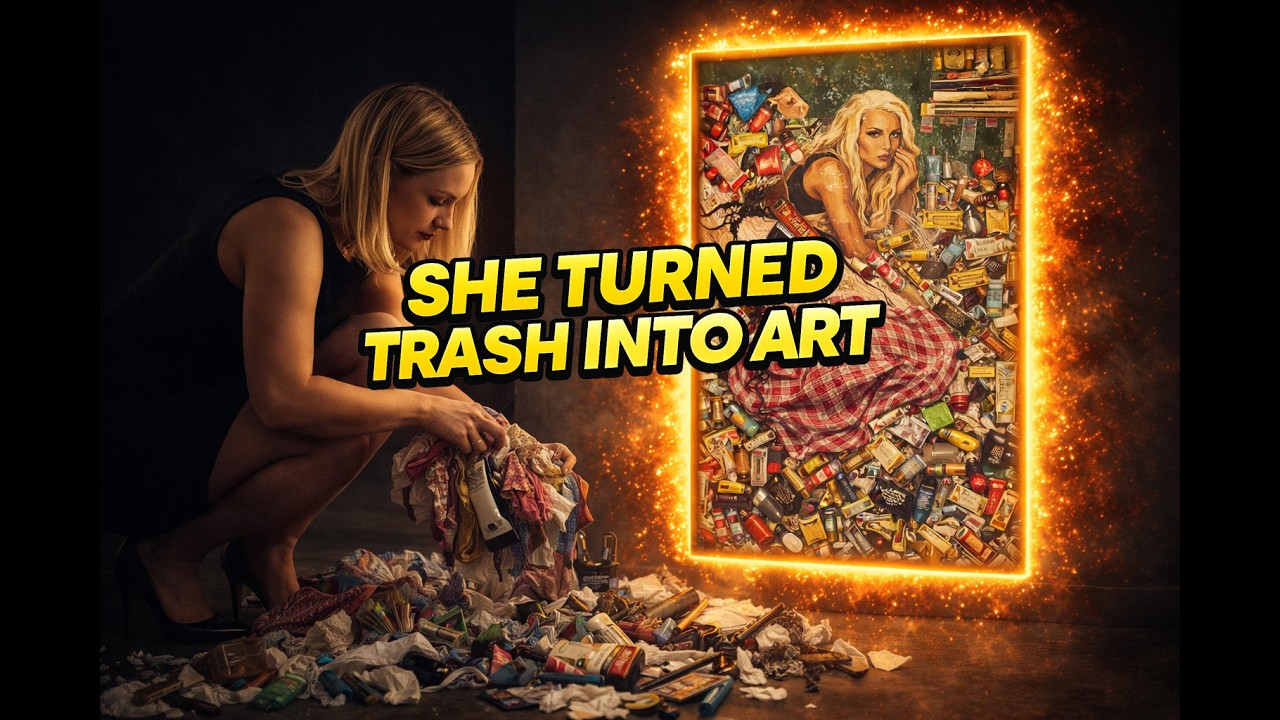 LYSSA Episode 1: I’m so sorry, I didn’t get a chance to clean up before you got here
 LYSSA Episode 2: If a machine made it, who bled for it?
More guides
Keep reading
FAQ
Common questions
How do you film an artist documentary?
Split it into two parts: a seated interview for the story, filmed with a wide two-shot, a single on the artist and a closer angle, with clean clip-on sound; and separate footage of the work and the process. Bring the art into the edit with cutaways, slow moves and split screens.
Should you film an artist interview in their studio?
Film process in the studio. For a long conversation, a quiet, neutral room is often better: it gives you controlled light, clean sound and the same look across several episodes.
How long should an artist documentary episode be?
As long as the conversation stays strong. The LYSSA episodes run to about 35 and 22 minutes. Cut a short vertical teaser for each one to bring people to the full film.
How do you turn one interview into a documentary series?
Plan the questions in themed blocks, give each episode its own title and question, end each one with a reason to watch the next, and publish a short teaser alongside every episode.
Written by Joshua Swain, filmmaker in London and Dubai, who filmed, edited and interviewed for LYSSA. See more work at swainuk.com.