
London · Guide for e-commerce brands, marketers and filmmakers
“A product page has one job: let people feel the thing before it arrives.”
Product video production is not one video. An online shop needs a hero film for the top of the page, short loops for the product gallery, close-ups that show texture, on-model clips that show size and fit, and vertical cuts for social, ideally all from one shoot day. Here is how to plan e-commerce product video in London: the formats that sell, how to light them, and how to deliver every shape, with Aspinal of London bags, Staccato shoes, Seacra skincare and Code8 foundation as worked examples.
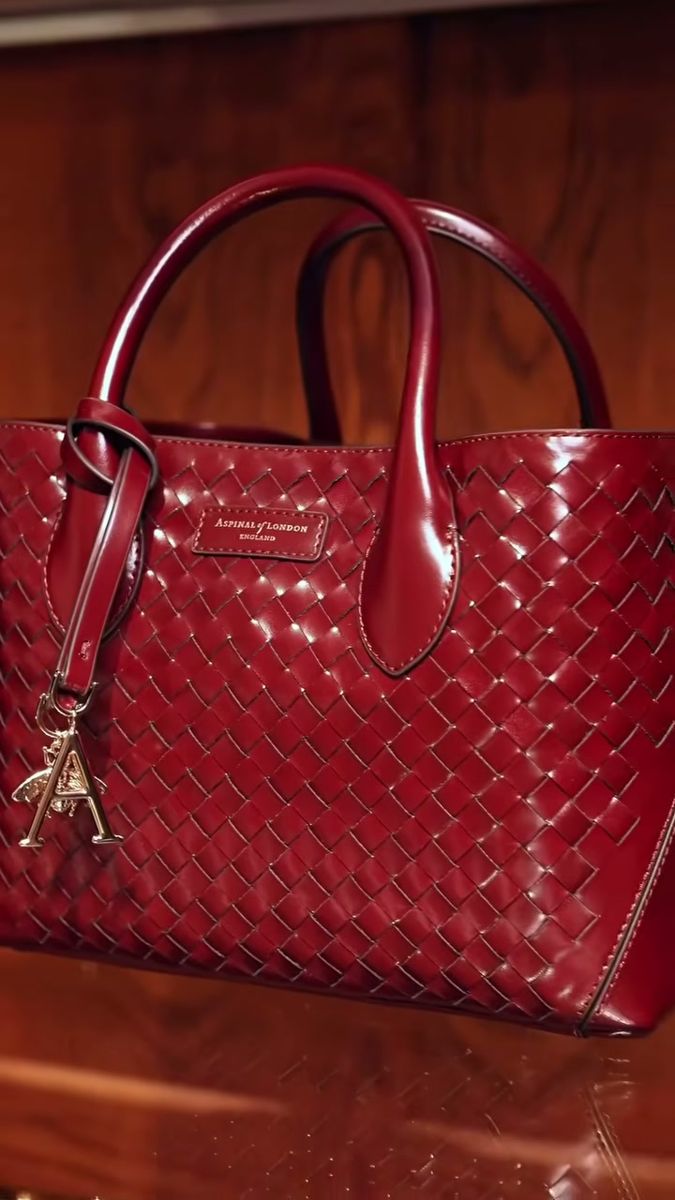
Aspinal of London · product video by SwainUK
01 · The formats
The six product video formats an online shop needs
Before you book a studio, decide which formats the shop will actually use and where each one lives. Every format has a different job, and most brands need four or five of them.
| Format | Its job | Where it lives |
|---|---|---|
| Hero film | Sell the feeling and the brand, 15 to 60 seconds | Homepage, collection page, paid social |
| 360 or turntable | Show every side, the shape and the hardware | Product page gallery, marketplaces |
| On-model | Show scale, fit and how it moves | Product page, size guides, ads |
| Texture macro | Make people almost touch it: grain, weave, cream, shine | Product page, social loops |
| In use | Show what it does: packing a bag, applying a cream | Product page, ads, email |
| UGC style | Feel native to the feed, a person talking about it | TikTok, Reels, Shorts, paid social |
The trick is to shoot all of them from one plan. A hero film is mostly made of the same shots as the loops and macros, just cut differently.
02 · Leather goods
Aspinal of London: detail, hands and real life


Aspinal of London: the bag in hand, and the holdall in a lifestyle set
The Aspinal of London work was a lifestyle campaign for the luxury handbag and accessories label, built around polished metal handles, stitching and leather textures, and designed to show the product in real London life rather than only on a shelf. The vertical films move between a styled shelf, a green velvet set and a wood-panelled room, with hands opening, carrying and packing the bags.
Hands are the model
For bags, small leather goods and jewellery, most shots are hands. Book a hand model or brief the talent on nails and rings to match the brand.
Hardware needs a highlight
Polished metal reads as grey without a clean reflection. Put a long soft source where the clasp can see it, and turn the bag, not the light.
Show the inside
Opening the bag, the lining, a notebook or perfume going in: these in-use shots answer "how much fits?" better than any spec list.
One set per mood
A shelf for the packshot feel, velvet for colour, a panelled room for lifestyle. Three sets give a hero film variety without a location move.
More on getting clean reflections from polished metal is in jewellery photography without reflections; the same cards and angles work for buckles and clasps.
03 · On-model
Staccato: product on a person, in the street

Staccato, London: shoes and bag in one low frame
For Staccato, the footwear brand from Indonesia, SwainUK filmed a full shoe range in London with clean styling, natural light and one model, plus bags in the same films. On-model video answers the questions a packshot can't: how high the heel really is, how the shoe moves, how big the bag looks on a body. The Staccato case study goes through the low angles and the walking shots in detail. For an online shop, the useful rule is simple:
1. Give every product the same set of shots (detail, stride, full look, wide), so each product page gets matching clips.
2. Hold each on-model shot for a clean five seconds at the start and end. Short loops for the gallery are cut from those holds.
3. Keep the camera low and the background quiet. On a phone screen, a busy street swallows the product.
04 · Packshot and texture
Seacra and Code8: packshots, macro and application


Seacra: the packshot on white, and the texture up close
Beauty and skincare product pages live on two images: the bottle, clean and readable, and the product itself, out of the bottle. Seacra's Red Algae Infused bottle was shot both ways, on white and close up for texture, alongside studio films with the bottle in bubbles. The Seacra content series shows how those product films sat next to creator and street content.

Seacra: the in-use shot, product onto skin
For Code8's Day to Night Foundation, the studio was set up with a large round softbox, black flags and a silver bounce, and the camera monitor read 1/100, f/5.6, ISO 250 and 5000K at 24p. The finished 15-second vertical film gives each on-screen claim its own shot: a swatch on the hand for "natural-look finish", the applicator on skin for the ingredients. That's the model for any product page video: one claim, one picture.
Lock white balance
Fix it for the whole day. Shade and colour accuracy matter more on a product page than anywhere else, because returns follow wrong colours.
Stop down for macro
Texture shots need depth. Around f/5.6 to f/8 keeps a swirl of cream sharp from front to back; a wide-open lens turns it to mush.
Side light for texture
Light skimming across a surface shows grain, weave and cream peaks. Front light flattens them.
Clean, then clean again
Dust and fingerprints show at macro. Gloves, a blower and a cloth on set, and a spare product for every hero item.
05 · Sizes
Delivering for product pages, marketplaces and social
The same shoot has to feed very different screens. Plan the shapes before the day, so the camera operator frames with room to crop. The vertical-first guide covers framing for 9:16 and 16:9 at once.
| Placement | Shape | What works |
|---|---|---|
| Product page gallery | Square or 4:5, matching your product photos | Short silent loops: a turn, a texture, a detail. Product in the first frame |
| Hero banner | 16:9 on desktop, with a vertical version for mobile | Slow, wide, brand-led. Leave space for the headline |
| Marketplaces | Usually 16:9; check each marketplace's current spec | Plain, factual, product on screen the whole time, no external links |
| Reels, TikTok, Shorts | 9:16 | Hook in the first second, captions burned in, a person or hands in shot |
| Ads | 9:16, 4:5 and 1:1 | Cut-downs of the hero and the UGC-style clips, several hooks per product |
Deliver as: a master file per film, then exports per shape, named by product code and placement (for example, SKU_PDP_4x5_loop). Silent loops without music, social cuts with captions, and a still frame from each video for thumbnails.
06 · The day
A one-day product video schedule
For a range of products, batch by set, not by product. Every set change costs time; every product change on the same set costs almost none.
Morning: packshots and 360s on a clean sweep or turntable, every product, while the set is spotless.
Late morning: macro and texture on the same light, moving the camera in.
Afternoon: in-use and lifestyle on a styled set, with hands or a model.
Last hour: UGC-style clips and on-model walks, outdoors if the light is good.
The full method for batching is in how to shoot a month of social content in one day, and if the product video is for a skincare brand, read skincare content that converts for the texture, application, result sequence.
Watch
Product video examples
 Aspinal of London product video
 Aspinal of London: luggage and leather
 Aspinal of London: detail
 Seacra 4K product video
More guides
Keep reading
FAQ
Common questions
What types of product video does an e-commerce site need?
Usually a hero film, short loops or a 360 for the product gallery, texture close-ups, on-model clips for size and fit, in-use shots, and vertical UGC-style clips for social and ads.
What aspect ratio should product videos be?
Match the placement: square or 4:5 for product page galleries, 16:9 for hero banners and most marketplaces, and 9:16 for Reels, TikTok and Shorts. Plan the framing on the day so one shoot covers all of them.
How long should a product video be?
Gallery loops can be a few seconds. Social cuts work at around 15 seconds, and hero films at 15 to 60 seconds. Put the product on screen in the first second of every version.
How many products can you film in one day?
It depends on how many formats each product needs. Batching by set (all packshots, then all macros, then all lifestyle) gets far more done than finishing one product at a time.
Written by Joshua Swain, who films product, beauty and fashion content for brands in London and Dubai. See the Aspinal of London project.