London · Guide for aesthetic clinics, cosmetic surgeons and their marketing teams
“Patients book a person, not a procedure. Show them who they will meet.”
Video content for aesthetic clinics works differently from beauty brand content. The audience is weighing up a medical decision, the rules on what you can promote are strict, and the thing that builds trust is the practitioner, not a product shot. This guide covers which videos a clinic actually needs, the UK advertising and consent rules to plan around, how to film practitioners well, and how to put video on a clinic website without slowing it down, using SwainUK's photos, videos, website and management system for a London cosmetic clinic as the worked example.

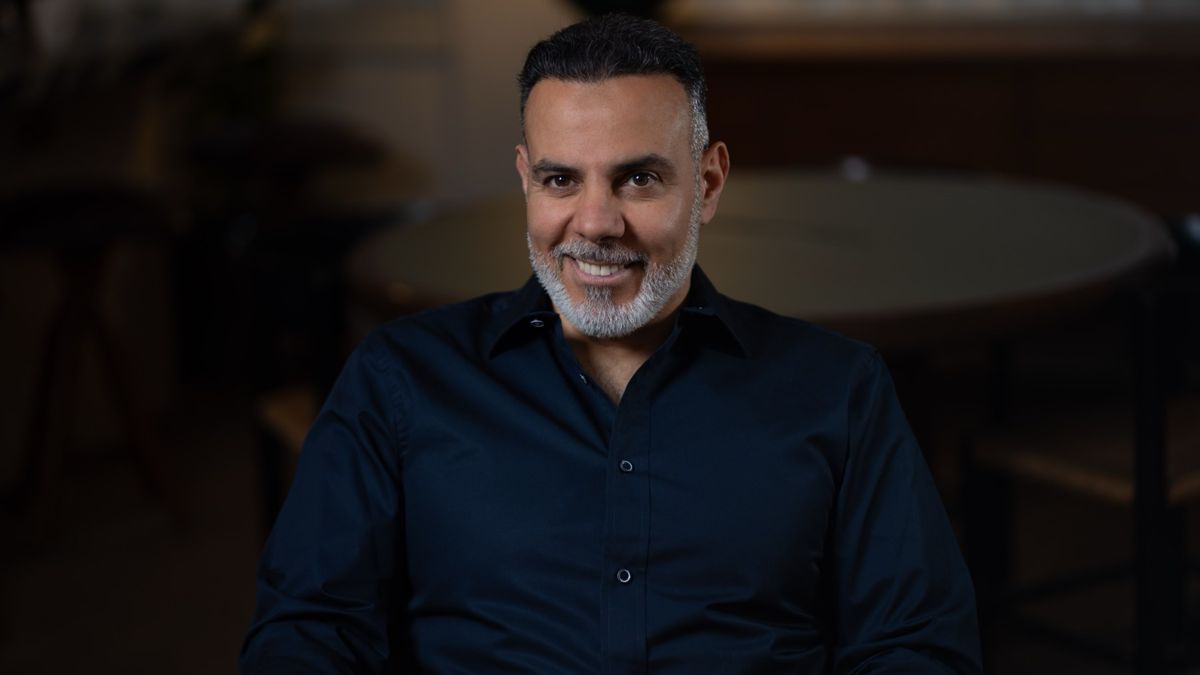
The lead surgeon of a London cosmetic clinic, photographed by SwainUK for the clinic's website
01 · What to make
The videos an aesthetic clinic actually needs
Most clinics start with treatment videos. Start with people instead. Someone researching a procedure wants to know who will treat them, what the consultation is like and what the clinic looks like before they ever think about booking.
| Video | What it does | Where it lives |
|---|---|---|
| Practitioner introduction | Puts a face and a voice to the name on the booking page | Team profile pages, social |
| What happens at a consultation | Removes the fear of the first appointment | Booking page, email |
| Clinic walkthrough | Shows the reception, rooms and standards, with no patients in shot | Home page, Google profile |
| Practitioner answers common questions | Answers what patients actually search for, in the practitioner's own words | Treatment pages, Reels, Shorts |
| Aftercare explainers | Helps existing patients and shows the care behind the treatment | Patient emails, help pages |
Patient stories can be powerful, but they come with the heaviest consent and advertising obligations, so treat them as a separate project with the clinic's compliance lead, not something to grab on a shoot day.
02 · The rules
UK advertising and consent rules to plan around
Plan the content around the rules from the start. Re-editing a finished film because a word or a hashtag breaks the code costs more than getting the script right.
No promotion of prescription-only medicines
Botox and other botulinum toxin products can't be promoted to the public. The ASA says even indirect references such as "anti-wrinkle injections", and hashtags on social posts, are likely to count as ads for a prescription-only medicine.
Not aimed at under-18s
Ads for cosmetic interventions must not be directed at under-18s. In non-broadcast media such as social, they can't be placed where 25% or more of the audience is under 18.
Nothing exaggerated
ASA guidance on cosmetic interventions covers misleading claims, including before and after images, and the trivialisation of treatments. Its ruling on beauty filters says filters must not be used where they exaggerate the effect of a product.
Consent for any patient on camera
GMC guidance for doctors requires consent before making recordings of patients that are not part of their care, with no pressure to agree and the right to stop.
In practice, that means the script talks about the practitioner, the process and the care, not about results, and no patient appears on camera without written consent agreed with the clinic. Releases for anyone else in shot are covered in model release forms for UK shoots. This is general information, not legal or regulatory advice: check every script and caption with the clinic's own compliance adviser.
Sources: ASA, Botulinum toxin products · ASA, Cosmetic interventions · ASA, the misuse of beauty filters · GMC, Making and using visual and audio recordings of patients.
03 · Worked example
One shoot, a whole library of practitioner content

Scrubs for the treatment pages: the same person, read as the clinician rather than the founder
For Kensington Cosmetic Clinic in London, one of SwainUK's web projects, SwainUK did the whole job: photographed the clinic's lead surgeon in May 2026, filmed the team videos, and built the clinic's website and the management system behind it. The shoot moved through several looks in one session: a formal blazer, the clinic's branded scrubs, a lighter blazer standing in a clinic room, a desk set-up, and a seated set in low, warm light. Each look had a job on the site.


Clinical and approachable from the same session. Plan the wardrobe changes as a content list, not as variety for its own sake.
| Look | Used for |
|---|---|
| Formal blazer | Team grid, home page "about the founder", press |
| Branded scrubs | Treatment pages and the small "reviewed by" avatar |
| Lighter blazer in a clinic room | The founder's own page, where the setting matters |
| Seated, low warm light | A wide banner on the founder's page, and the look for a filmed interview |
The lesson for any clinic: a single, well-planned session can give you portraits for every page plus the set for practitioner videos. Book the room for the whole day and film the interview answers on the seated set once the stills are done.
04 · On camera
How to film practitioners so they come across as themselves


A seated, softly lit set works for both stills and interview video. A real smile does more than any script.
Doctors and practitioners are rarely trained presenters, and they shouldn't sound like one. The goal is the voice a patient hears in the consultation room.
Questions, not scripts
Send the list of questions in advance and let them answer in their own words. Patients can hear a memorised script.
Process, not promises
Keep answers on what happens, who does it and how patients are looked after. Leave results and outcomes out of the edit.
Seated and slightly off-axis
A chair, an eye line just off the lens and a soft key light. It reads as a conversation rather than a pitch.
Batch the answers
Record ten to fifteen common questions in one sitting. Each answer becomes a short vertical clip and a line on a treatment page.
The batch approach is in shooting a month of social content in one day.
05 · Skin on camera
Honest skin, consistent light

Real skin texture, kept in: from the Waterproof beauty editorial, Dubai, shot by SwainUK
Aesthetic content lives or dies on skin. Viewers have learnt to spot smoothing, and in a clinic context heavy retouching or a beauty filter can make content misleading as well as fake-looking. Light skin softly, expose it properly and keep the texture. If the clinic uses clinical photography of its own, that is a separate, controlled process with the same light, angle and distance every time, and it is the clinic's call how and whether it is used.
The techniques for keeping texture in stills are in beauty retouching that keeps skin texture, and for video, colour grading skin tones covers getting skin right in the grade.
06 · On the website
Video on a clinic website without slowing it down
The Kensington Cosmetic Clinic site, built by SwainUK, carries short introduction videos filmed by SwainUK on the team profile pages. Video is heavy, and a slow treatment page loses people on their phones, so the build used a few simple rules worth copying.
Compress for the web. The profile videos were compressed to 720p H.264 with AAC audio. Nobody needs 4K for a short introduction watched on a phone.
Don't preload. The video tags use preload="none", so a video only downloads when someone presses play.
Use a still for the hero. The home page hero is a still poster image with a slow zoom rather than a looping video, which keeps the first load light.
Add captions. Many people watch on mute, and captions help anyone with hearing loss. Burn them into social cuts and add caption files on the site.
Cut a vertical version. The same answer works as a Reel or Short if you frame for 9:16 on the day. See shooting vertical-first.
For the wider principles of skincare content that earns trust, see skincare and beauty content that converts.
Watch
Expert-led and trust-building content
 Expert-led skincare content
 Testimonial content: behind the scenes
 Skincare without filters
 Skin first, not make-up
More guides
Keep reading
FAQ
Common questions
What video content should an aesthetic clinic make?
Start with practitioner introductions, a "what happens at a consultation" video, a clinic walkthrough without patients, and short answers to the questions patients search for. Add aftercare explainers next. Treat patient stories as a separate project with full consent and compliance checks.
Can aesthetic clinics advertise Botox on social media in the UK?
No. Botox is a prescription-only medicine and can't be promoted to the public. The ASA says indirect references such as "anti-wrinkle injections" and hashtags on posts are likely to count too. Check every caption with your compliance adviser.
Can I use filters on cosmetic clinic videos?
Avoid them on anything about skin or results. The ASA has ruled that filters must not be used in ads where they exaggerate a product's effect, and in a clinic context they can also make content misleading.
Do patients need to consent to being filmed in a clinic?
Yes. GMC guidance requires doctors to get consent before recording patients for anything that is not part of their care, without pressure, and to stop if the patient asks. Plan shoots so no patients are in shot unless that consent is in place.
Written by Joshua Swain, who photographs, films and builds websites for beauty and skincare clients in London and Dubai. See the clinic's live site, built by SwainUK, at kcclinic.co.uk. More skin-led work is in the 111SKIN project. This is general information, not legal, medical or regulatory advice.