London · Guide for photographers, filmmakers and beauty brands
“Show the texture, then the result, then the product.”
Skincare and beauty content sells when people can almost feel the product: the gloss of a mask, the way a serum moves, real skin afterwards. That comes from a simple sequence (texture, application, result, product), soft light that keeps skin texture, honest before-and-afters that follow the UK advertising rules, and formats built for the feed. Here's how, with 111SKIN and Code8 as examples.
111SKIN · Story of the Gold Leaf
01 · The sequence
Texture, application, result
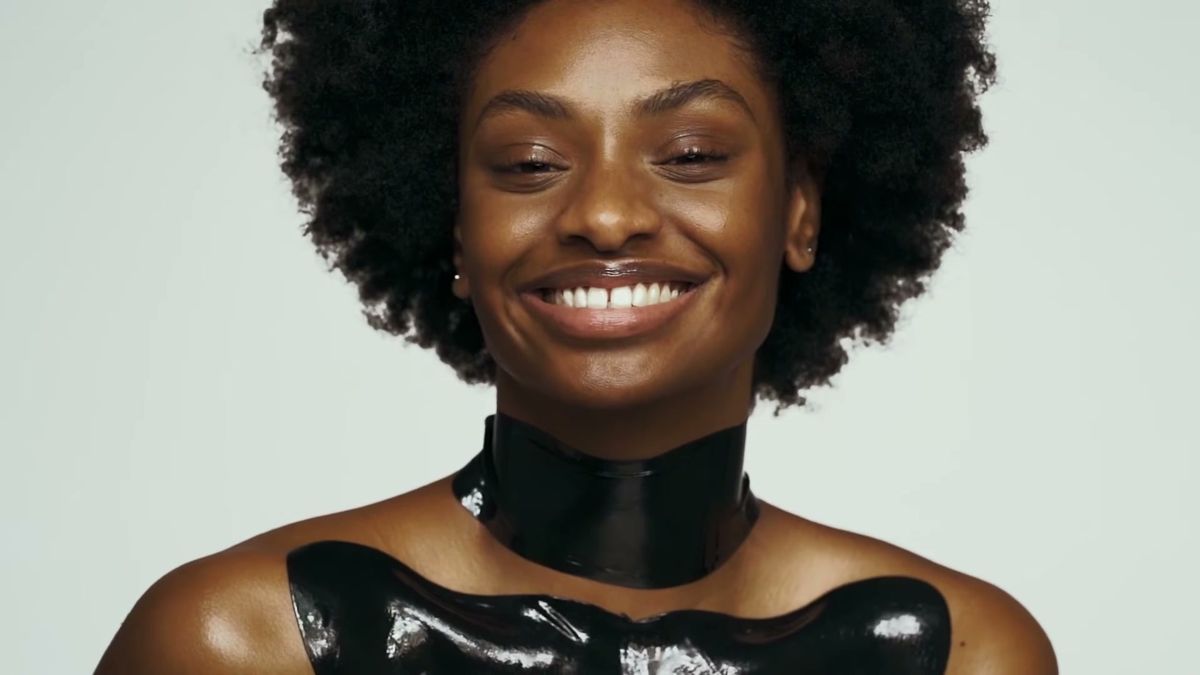
111SKIN commercial, filmed by SwainUK.
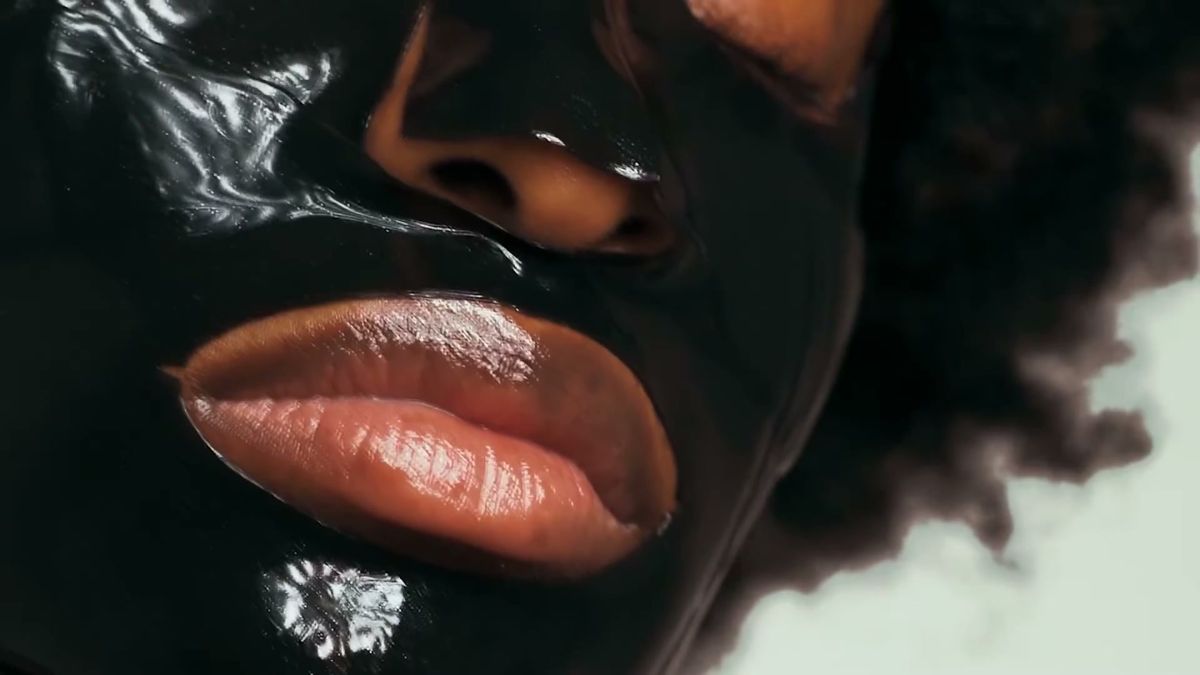
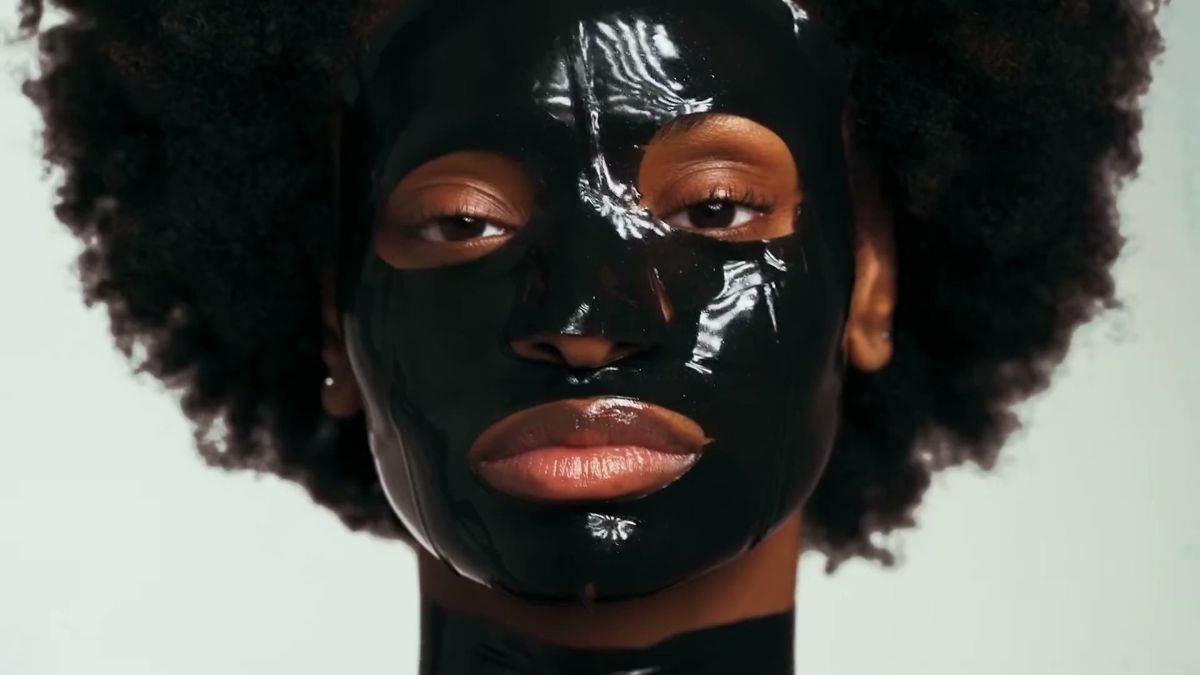
The 111SKIN commercial follows the order people want to see a product in: first the texture up close (the gloss of the mask on the lips), then the product on the face, then the result, a real smile and real skin. The product pack comes last, once the viewer already wants it.
Texture: go macro
A macro lens or close focus on the product itself: cream peaks, serum drops, the gloss of a mask. This is the shot that stops the scroll.
Application: real hands, real skin
Show how it's used. Fingers, a brush or a dropper on skin explain the product faster than any caption.
Result: let the face do it
A natural expression on healthy skin. Overproduced smiles look like stock.
Product: last and clean
The pack on a simple surface or in hand, so the viewer leaves with the name.
02 · Light
Light that keeps the skin real
Beauty light should be soft and close, with enough direction to show shape. A large softbox or diffused LED close to the face, often with a second layer of diffusion, gives smooth skin without erasing texture. For glossy products like masks and lip oils, add a small, defined highlight so the shine reads on camera.
For a worked example of light, skin and retouching that keeps pores, see the Waterproof red-lip editorial.
03 · The rules
Before and after, done honestly
In the UK, the Advertising Standards Authority has told brands and influencers not to apply filters to beauty-product images if they're likely to exaggerate the product's effect. So:
Same light, same angle: shoot the before and after in identical conditions.
No filter on the result: clean up stray hairs if you must, but don't change what the product did.
Keep the texture: pores and fine lines stay. That's what makes the result believable.
Source: Campaign Asia, ASA guidance on beauty filters. More in real people vs AI in advertising.
04 · Ingredient stories
Make one ingredient the hero
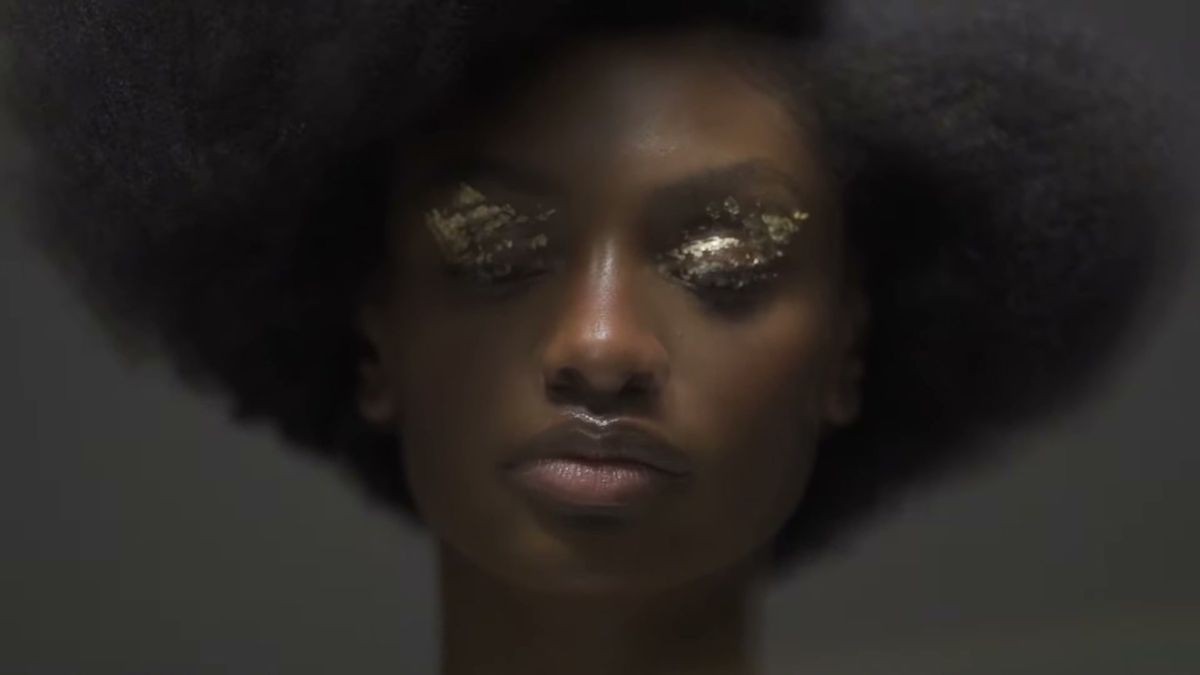
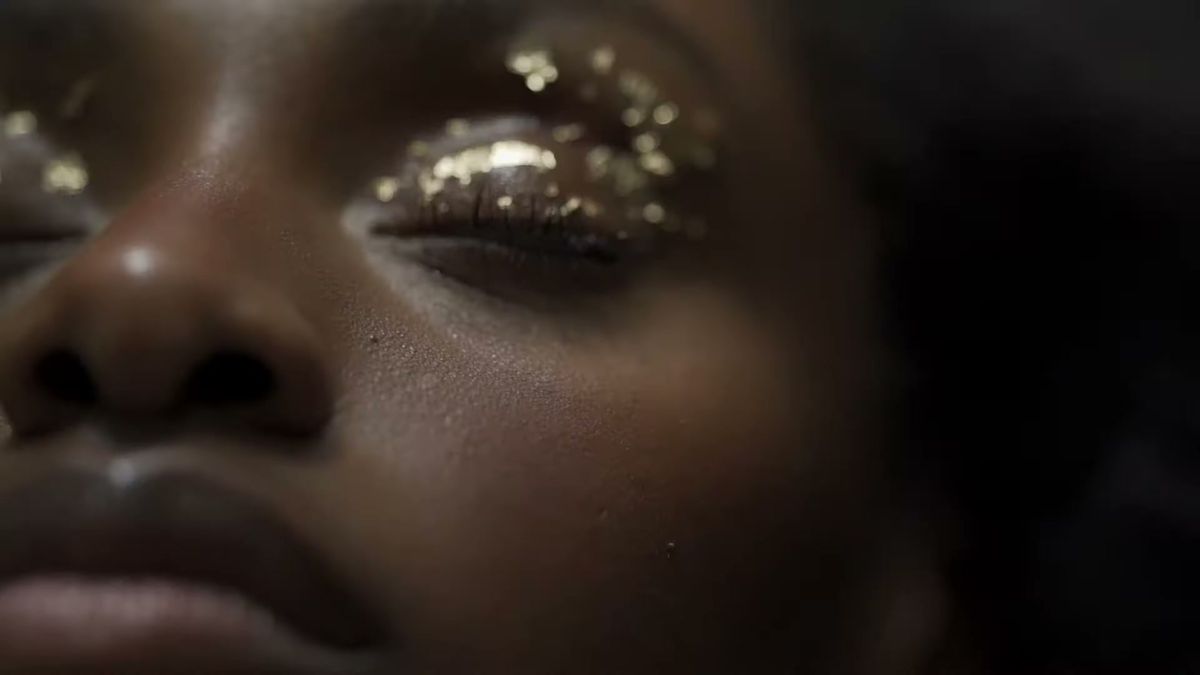
Luxury skincare often sells an ingredient as much as a result. For 111SKIN's Story of the Gold Leaf, gold leaf on the skin became the whole visual idea: low, warm light, dark backdrop, and slow moves so the gold catches the light. One strong ingredient image does more than a list of claims.
05 · With talent
Beauty with a known face
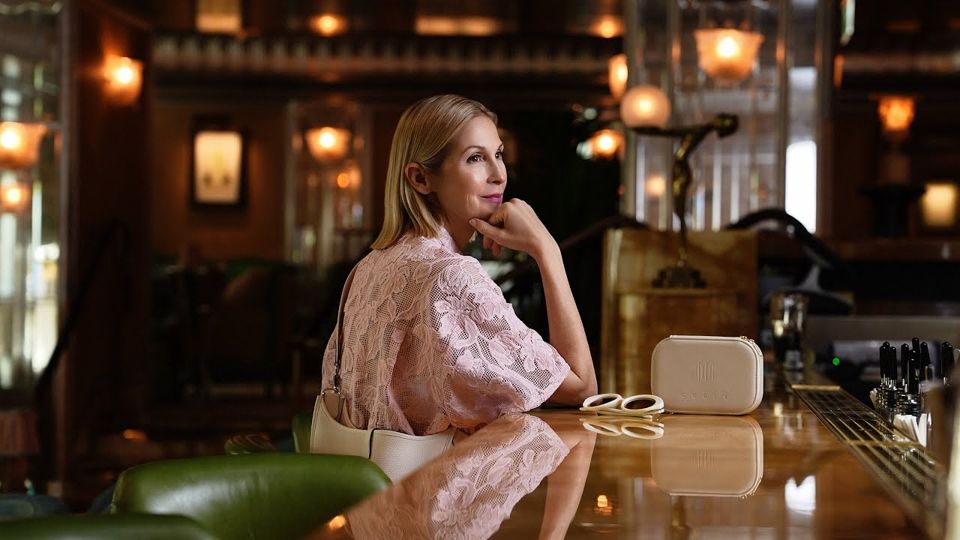
The Code8 Beauty campaign with Kelly Rutherford was built around "beauty, but simple": a minimal look in a London hotel, shot in three hours with one light, and edited in a day.
With talent, keep the set small and the plan tight. Their time is the most expensive thing on set, so light and frame before they sit down.
06 · Formats
What to deliver
| Asset | Shape | Use |
|---|---|---|
| Texture loops | 1:1 or 4:5, 3 to 5 seconds | Product pages and ads |
| How-to clips | 9:16 | Reels and TikTok, application step by step |
| Hero film | 16:9 and 9:16 | Launch and website |
| Stills | 4:5 and 1:1 | Feed, e-commerce and press |
Watch
Skincare content on YouTube
 Less is more: Seacra influencer campaign
 Gen Z doesn't want filters
 Expert-led skincare content
 Making skincare testimonials: BTS

FAQ
Common questions
How do you film skincare products?
Follow the sequence: a macro of the texture, the product being applied, the result on real skin, and the product last. Use soft, close light with a small highlight for gloss.
Can I use filters in beauty ads in the UK?
Not if they're likely to exaggerate the product's effect. The ASA has told brands and influencers to avoid misleading beauty filters.
How do you shoot an honest before and after?
Same light, same angle, same camera settings, and no filter on either frame.
What formats should a skincare shoot deliver?
Short texture loops for product pages, vertical how-to clips, a hero film in 16:9 and 9:16, and stills in 4:5 and 1:1.
Written by Joshua Swain, who shoots beauty and skincare in London and Dubai. See the portfolio.