
London · Guide for photographers, models and agencies
“A test shoot isn't your portfolio with a model in it. It's the model's book, and the agency is the client.”
A model test shoot in London is where new faces build their book and where photographers build a relationship with agencies. The agency sends a model, you send back pictures they can put in front of clients. Done well, it's a few hours of natural light and a tight edit. Done badly, it's three hundred frames nobody can use. Here is how agency tests work, what to shoot, how to light it, and what to deliver, with real tests for Linden Staub and Nevs Model Agency as examples.
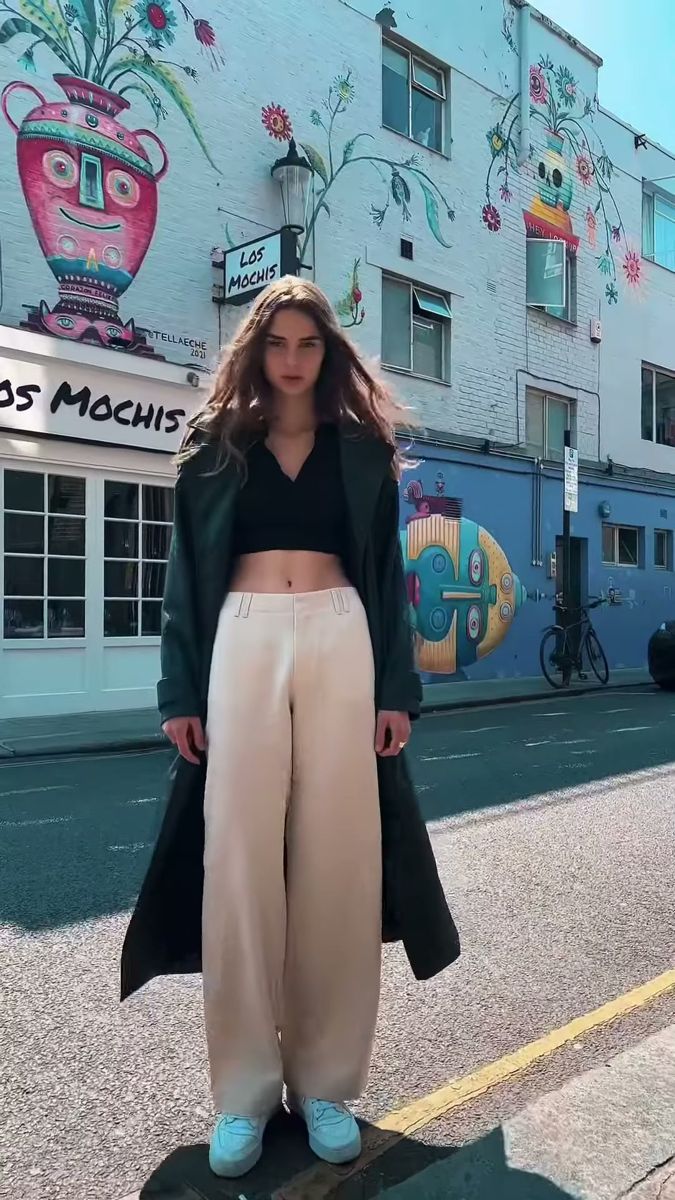
Giulia, test shoot for Linden Staub · London
01 · How it works
How agency test shoots work
Agencies test new faces constantly. A booker sees a gap in a model's book (no clean full length, nothing in colour, no movement) and asks a photographer they trust to fill it. Sometimes the photographer approaches the agency with an idea and a date. Either way, three people want something different from the same few hours, and the shoot only works when you plan for all three.
| Who | What they need from the test |
|---|---|
| The agency | Current, honest pictures that show what the model looks like now, so clients can book them with confidence |
| The model | Variety: a strong headshot, a full length, movement and one picture with real character |
| The photographer | Work that shows you can direct people, and a reason for the agency to send the next face |
The tests in this guide show the range. In Richmond, Alice was photographed for Linden Staub among the spring blossom (the full story is in the Richmond test shoot post). Shorts posted in June 2023 show street tests in London with Giulia and Ami, also for Linden Staub, and with Angela. On the Kent coast, Vincent from Nevs Model Agency was shot for a test described as "editorial meets e-com". Different models, one rule: the pictures are for the model's book first.
02 · Before the day
The brief, the looks and the plan
1. Ask the booker what the book is missing. A clear answer ("she has no full lengths", "he needs something commercial") is the best brief you'll get.
2. Share a short moodboard: six to ten references for light, location and framing, so the agency can say yes or no before anyone travels.
3. Keep the styling simple. Two or three looks in fitted, plain clothes the model owns or the agency approves. Logos and busy prints date a book fast.
4. Hair and make-up close to natural. Agencies want to see skin, face shape and hair as they are.
5. Pick a location with a backup round the corner: open shade, a plain wall and somewhere to change.
6. Agree usage and releases before the day, not after. If the model is under 18, a parent or guardian signs.
03 · The shot list
What to shoot on a model test


Angela, London test: a full length with context and a closer portrait from the same day
A test is not a story. It's a set of pictures that each do a job in the book. The Short from the test with Angela asks viewers which of three final pictures they would choose, and that's the right way to think: you're offering the agency choices across a few clear types.
The clean full length
Head to toe, simple background, weight on one leg. Clients check proportions first, and agencies never have enough of these.
The headshot
Eye level, soft light, no props in front of the face. Shoot it early while hair and make-up are fresh.
Movement
A walk towards the lens, a turn, wind in the hair. It shows the model can move, which matters for e-commerce and film.
One with character
A location, a car, a mood. The frame that makes a booker stop scrolling. One or two, not the whole set.
04 · Light
Lighting a test shoot in London


Behind the scenes of the Giulia test: get low, and the street becomes the set
Most London tests are shot in natural light, and they should be. It's fast, it's honest about skin, and a model can't be booked off pictures that only work with a full lighting crew. The natural light fashion guide covers streets, parks, the coast and the seasons in detail; for tests, three rules do most of the work.
Overcast is a gift
Cloud gives soft, even light from every side. It's the easiest light for headshots and the most flattering for new faces.
Hard sun, if you commit
The Giulia and Angela tests were shot on bright days. Bold colour and strong shadows work when the model faces into the light or turns their back to the sun; half-lit faces don't.
Wind: decide, don't fight
The Short "Wind or not?" puts the question to viewers. Wind gives energy to hair and fabric, but it can hide a face. Shoot both, and let the agency choose.
Change the height, not the light
Kneeling or shooting low makes a model look taller and simplifies the background to sky or wall.

Vincent, Nevs Model Agency · Kent coast
The Vincent test on the Kent coast is a good example of a small kit doing a lot. It was shot in natural light with a mix of stills and cinematic tools:
| Kit | Job on the day |
|---|---|
| Sony A7R V | The main camera |
| Sony 85mm f/1.8 | Portraits and tighter fashion frames |
| Samyang 35mm f/1.4 | Wider frames with the coastline |
| DJI Avata 2 with an ND32 filter | Moving shots around the model |
Adding a little motion to a stills test gives the model something for social and gives the agency a clip to share. How the drone part was planned is in FPV for brands and fashion.
05 · Directing
Directing a new face


From the "Wind or not?" test, and a five-minute test in a park
Many new faces have never been photographed properly. The Short titled "She didn't want to do it" shows a young woman who said she didn't have time; its captions say it took five minutes and was shot in a kids' park. The pictures at the end look nothing like the hesitant start, and that change is the whole skill of testing.
1. Start with something easy: standing still, looking past the lens. Confidence comes before poses.
2. Give one instruction at a time. "Chin down" works. Three corrections at once freeze people.
3. Show them a good frame on the back of the camera early. Seeing it work relaxes everyone.
4. Use the location: a wall to lean on, a step to sit on, a railing for the hands.
5. Stop while it's going well. Tired faces don't sell a new face.
06 · Selects and delivery
What to deliver to the agency
The agency doesn't want the whole card. They want a short, strong edit they can upload the same week. Agree the delivery in the brief, then stick to it.
| Deliver | How |
|---|---|
| A tight edit | Your best frames across the four types above, with no near-duplicates. Fewer, stronger pictures get used. |
| Light retouching | Clean up temporary blemishes and stray hairs, keep skin texture, freckles and shape. See retouching that keeps skin texture. |
| Two sizes | Full resolution for print and the agency's book, and a smaller web version for boards and social. |
| Credits | Photographer, model and agency names in the delivery email, so tags are right when the pictures are posted. |
| A short clip | If you filmed any movement, a vertical cut for the model and agency to share. |
Grade the set consistently. A book where every picture has a different look reads as several photographers, not one strong test.
07 · Releases and usage
Releases and who can use the pictures
Test pictures are normally for the model's book, the agency's boards and both of your portfolios. That's not the same as commercial use: if a brand later wants a test picture for an advert, it's a new conversation about usage and payment for everyone involved. Write the agreed use down before the day and get a signed release from the model (or a parent or guardian for anyone under 18). The model release guide lists what the form should cover, and usage rights explained covers media, territory and term.
Shooting in a London park? The Royal Parks need a licence for commercial shoots, so check the park's own rules before you plan a test there.
Watch
Test shoots in London and Kent
 Testing with Giulia for Linden Staub
 Which final would you choose? Angela, London
 Wind or not?
 She didn't want to do it
More guides
Keep reading
FAQ
Common questions
What is a model test shoot?
A shoot where a photographer and a model, usually sent by an agency, make pictures for the model's book and the agency's boards. The aim is current, honest images that help clients book the model.
What should a model wear to a test shoot?
Two or three simple, fitted looks in plain colours, with no big logos or busy prints, plus hair and make-up close to natural. Agree the looks with the agency beforehand.
How many photos do you deliver from a test shoot?
A tight edit rather than the whole shoot: the strongest full lengths, headshots, movement and character frames, lightly retouched, in a full resolution and a web size. Agree the number with the agency first.
Do you need a model release for a test shoot?
Yes. Get a signed release that matches the agreed use (book, agency boards, portfolios), and a parent or guardian's signature for anyone under 18. Commercial use later needs a new agreement.
Written by Joshua Swain, a fashion and beauty photographer and cinematographer in London and Dubai. See the Alice x Linden Staub test.