
London · Guide for brands, marketers and content teams
“Creator content looks easy because it's meant to. Everything that makes it work is decided before anyone hits record.”
Influencer campaign video production sits between two worlds: it has to feel like a person talking on their phone, and it has to carry a brand message, pass the advertising rules and work as a paid ad. This guide covers how to plan creator content for brands, how to shoot UGC-style video without it looking cheap or fake, how talent-led campaigns differ, and how to label it properly in the UK and the UAE, using the Seacra influencer series and the Kelly Rutherford x Code8 campaign as examples.
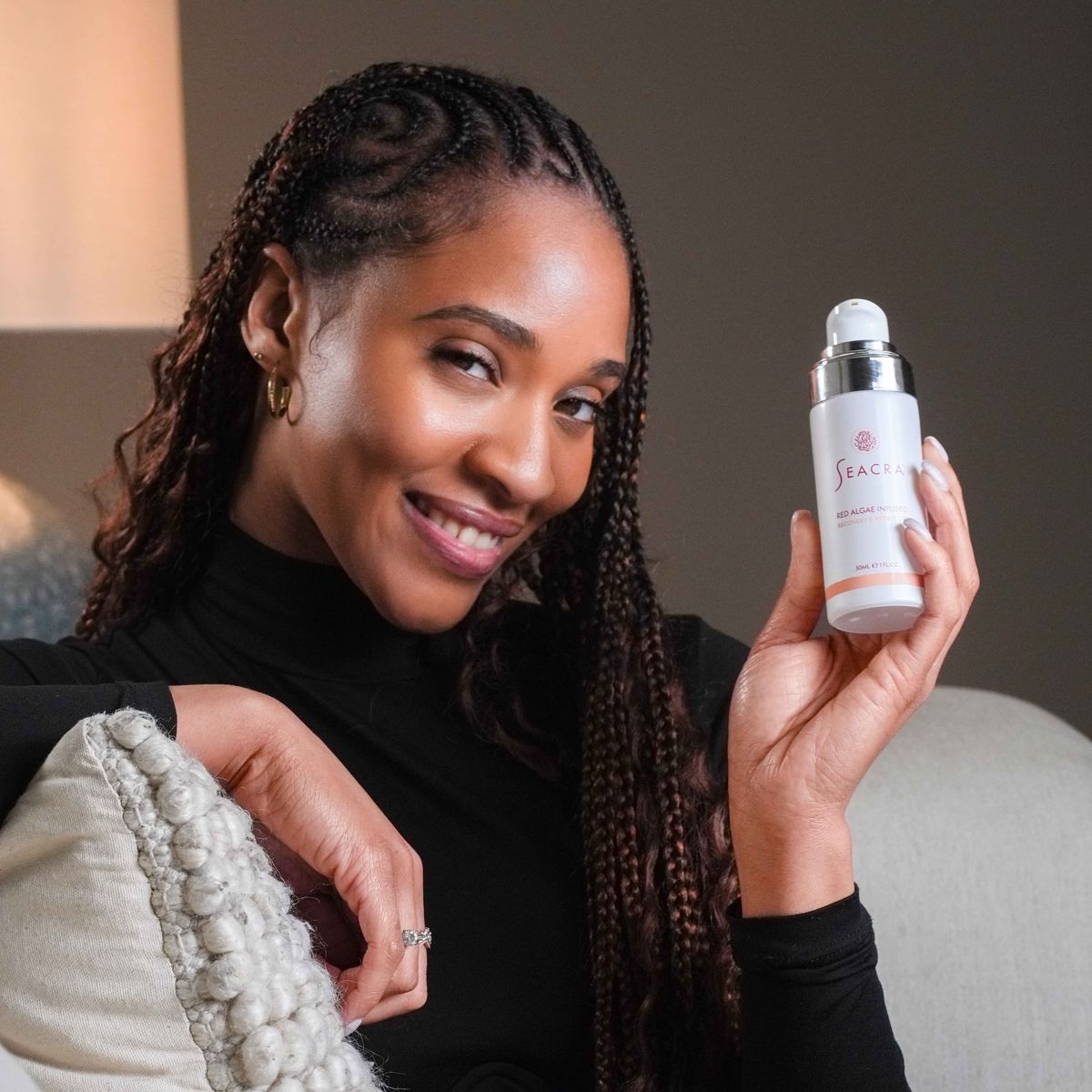
Seacra · creator and campaign content, London
01 · The options
Creator-led, in-house or talent-led
"Influencer content" covers three quite different productions. Pick the model first, because it decides the budget, the control you have and who owns what.
| Model | What you get | Watch out for |
|---|---|---|
| Creator-led: a creator films on their own channel | Their audience, their voice, native reach | Less control over the message; usage for ads must be agreed separately |
| In-house creators: talent filmed by a production team | Full control, consistent quality, content built for ads | No built-in audience; it has to earn attention on its own |
| Talent-led: a known face in a produced campaign | Recognition and trust, assets for every channel | Tight schedules, approvals and longer contracts |
The Seacra influencer series by Swain PR, published in June 2025 and titled "Less Is More", used the second model: it was filmed in London with an in-house creator team, described as giving "full brand control, consistency, and authenticity". The Kelly Rutherford x Code8 campaign is the third: an actress at the centre of a produced beauty film.
02 · The brief
Briefing creator content that still sounds human


Creator-style routine content for Seacra: the morning, then the product
The Seacra series leaned into a "less is more" idea: a clean, relatable tone and a minimal look, to show natural, effective formulas without overcomplicating the message. That's a good brief in one line. A creator brief should give the message and the guardrails, then leave the words to the person on camera.
1. One message. The single thing the viewer should remember. Seacra's whole series sat on "less is more".
2. The hook options. Three possible first lines, written as the viewer's problem, not the product name.
3. Must show. The product label once, clearly; the texture on skin; the routine step it belongs to.
4. Must not say. Claims the brand can't back up, competitor names, medical promises.
5. Format. 9:16, under 30 seconds, captions on, and a version with no music for ads.
6. Usage. Where the video will run (organic, paid, website) and for how long, agreed in writing.
03 · Shooting UGC style
Phone-native, not phone-quality
UGC-style video works because it looks like someone's own post. It fails when it looks like an advert pretending to be someone's post. The difference is mostly framing and light.
Frame like a selfie
Arm's length, eye level or a little above, the face filling the top half of a 9:16 frame. A tripod at that height looks natural.
Light like a commercial
A window or one soft source in front of the face. Skin should look like skin: flattering, but with texture.
Real places
A bathroom shelf, a cafe table, a sofa. A plain studio wall says "advert" before anyone speaks.
Several hooks per take
Record three or four openings for each video. In paid social the hook is what you test, so give the editor options.


Talent-led: Kelly Rutherford for Code8 · expert-led: a make-up artist talking to camera
Swain PR's expert and testimonial Shorts show two more formats from the same toolkit. One is an expert-style video with a middle-aged in-house model, made to make a skincare brand feel authoritative without sounding corporate, and used for paid ads, a website homepage and organic reels. The other is a POV-style testimonial with an in-house model, built for social campaigns. The Seacra content series breaks down each of these formats and how they were filmed.
04 · Talent-led
Kelly Rutherford x Code8: when the creator is a star
The Code8 campaign with actress Kelly Rutherford was built around "beauty, but simple". It was filmed in a hotel in London on a Sony A9 Mark III with a Sony 28-70mm f2, all movement on a DJI RS4 Pro gimbal, lit with one Aputure 300D, and completed in three hours, with the full edit done in one day. The behind-the-scenes Short opens on the planning: a visual deck and a shot list with every scene written out.
That's the lesson for talent-led content: the star's time is the scarcest thing on set. Plan every shot, keep the kit light enough to move fast between rooms, and shoot the social cut-downs and behind-the-scenes alongside the main film, not on another day. The craft is broken down in Code8 behind the scenes vs final, and the story behind the campaign in the Kelly Rutherford x Code8 post.
05 · UK rules
Labelling influencer ads in the UK: #ad, upfront
In the UK, the CAP Code says marketing communications must be obviously identifiable as such (rule 2.1). The ASA's guidance for influencers turns that into practical rules:
| Situation | What the ASA expects |
|---|---|
| A brand pays or gives any other incentive, requested or not | Content featuring the brand must be obviously identifiable as advertising |
| Affiliate links or codes | The creator is acting as an advertiser and must disclose it |
| Which label | Clear words like "Ad", "Advert", "Advertising" or "Advertisement feature". Avoid "Sponsored", "spon" or "aff" |
| Where | Prominent, and visible as the ad is first seen, not hidden among hashtags |
| Platform tools | A "Paid partnership" label may be enough if it's upfront, clear and prominent; if in doubt, add "Ad" as well |
| Who is responsible | Both the brand and the creator |
For beauty and skincare there is one more rule to plan around. In 2021 the ASA ruled that filters which exaggerate what a cosmetic product can do are misleading in ads, so shoot creator content of a product's result without beauty filters. It also keeps the content honest, which is why it works; see real people vs AI in advertising.
Sources: ASA, recognising ads on social media · ASA, top tips for responsible influencer marketing · CAP Code, section 2: recognition of marketing communications · RPC, ASA ruling on filters in beauty ads.
Running the same campaign in Dubai? In the UAE, anyone publishing promotional content needs an Advertiser Permit from the UAE Media Council, paid or unpaid. The UAE advertiser permit guide covers who needs one and what brands should check.
06 · Rights and results
Usage, releases and measuring what works


Seacra campaign portrait and product moment, made to sit beside the creator videos
Usage: organic posting on the creator's channel, paid ads from the brand's account, running ads through the creator's handle and use on the website are four different permissions. Write each one down with a term. See usage rights explained.
Releases: everyone on camera signs a release that matches the usage, in-house talent included. See the model release guide.
Raw files: agree whether the brand gets the raw clips for recutting. For paid social, it almost always should.
Measure cost, not likes: keep the videos that bring in customers cheaply and recut them with new hooks.
That last point is where creator content pays for itself. For Seacra, new content and rebuilt landing pages took return on ad spend from 0.8 to 3.8; the full story is in the Seacra growth case study.
Watch
Creator and talent-led content
 Less Is More: Seacra influencer campaign
 Expert-driven skincare content
 POV testimonial content: BTS
 Kelly Rutherford x Code8: behind the scenes
More guides
Keep reading
FAQ
Common questions
Do influencers have to use #ad in the UK?
If a brand has paid them or given any other incentive, the content must be obviously identifiable as advertising. The ASA recommends a clear, upfront label such as "Ad" or "Advert"; a platform's paid partnership tool may be enough if it is clear and prominent.
What is UGC-style video?
Video made to look like a person's own social post: vertical, talking to camera, in a real setting. Brands commission it from creators or produce it with in-house talent, often to run as paid social ads.
Who is responsible for labelling influencer ads?
Both the brand and the creator. Brands should build the label into the brief and check it before content goes live.
Can a brand use a creator's video in its own ads?
Only if that use is agreed. Organic posting, paid ads from the brand's account, ads through the creator's handle and website use are separate permissions, each with a term.
Written by Joshua Swain, who produces creator, beauty and campaign content for brands in London and Dubai. This is general information, not legal advice. See the Kelly Rutherford x Code8 project.