
London · Guide for beauty, skincare and make-up brands
“A beauty film is judged at arm's length on a phone. Hire for skin, not for showreels.”
Hiring a beauty videographer in London is less about who owns the best camera and more about five things: a portfolio that shows real skin moving, a plan that fits a short shoot day, light that flatters without lying about the product, a clear answer on locations and permissions, and an edit delivered in the shapes you actually post. This guide covers what to check, what to ask, how to brief and the warning signs, with worked examples from Code8, 111SKIN, Seacra and the Waterproof editorial.
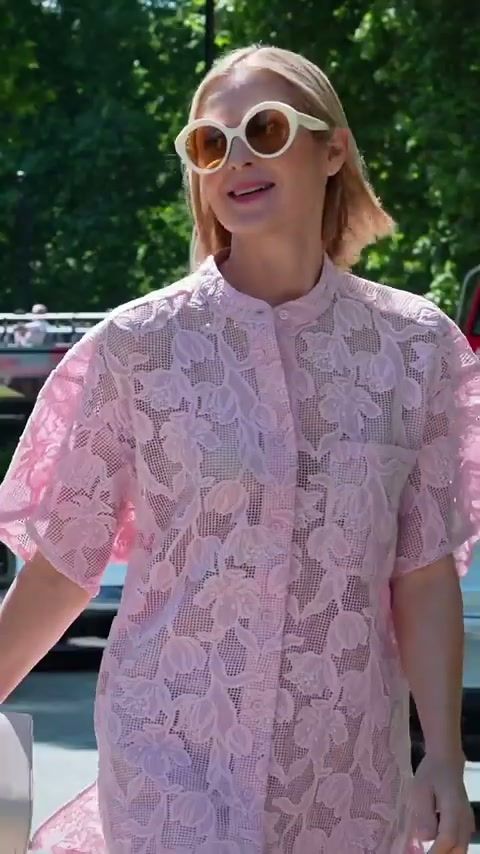
Kelly Rutherford x Code8 · behind the scenes, London
01 · The portfolio
What a beauty videographer's portfolio should show
Stills hide a lot. Video shows how skin behaves when a face turns, how a product looks as it goes on, and whether the light holds up across a whole take. When you review a beauty or skincare videographer, watch the films full screen and pause on the close-ups.
Texture in motion
Pores, fine lines and the edge of a product on skin should still be visible in a moving close-up. If every face looks blurred smooth, that is a grading or retouching habit you will inherit.
Application shots
Look for the product going on: a swatch on the hand, a dab on the cheek, fingers blending. These are the shots that sell, and they are the hardest to keep sharp.
Different skin tones
Check the reel includes deep, fair and mature skin, lit and graded with care. The skin tone grading guide explains what good looks like.
Behind the scenes
Set footage next to the final film proves the work was made by that person, on a real set, with a real team.


Product on skin for Seacra · mature skin, fine lines and all, for Code8 Day to Night Foundation.
02 · The questions
Ask these before you book
| Ask | A good answer sounds like |
|---|---|
| How do you plan a short shoot day? | A visual deck and a shot list with shot size and location against every line, agreed before the day |
| Studio or location for this product? | A reason tied to the product and the story, not just to what is easiest |
| How do you light skin? | A soft key placed for the face, flags to keep shape, and a fixed white balance so shades match between shots |
| Who is on the team? | Named make-up, hair and styling, or help booking them, plus who directs the talent |
| How do you treat skin in post? | Clean temporary marks, keep texture, never change what the product does |
| What do we receive, and when? | A list of films and cut-downs, with ratios (16:9, 9:16, 4:5), lengths and delivery dates |
| What usage is included? | Media, territory and term written into the quote (see usage rights explained) |
03 · Studio or location
Choosing where a London beauty film is shot
The two Code8 campaigns in the behind the scenes vs final film case study sit at opposite ends. The Kelly Rutherford film was shot inside a hotel in London on a Sony A9 Mark III with a Sony 28-70mm f2, all movement on a DJI RS4 Pro gimbal, and the whole shoot lit with one Aputure 300D. It was completed in three hours, and the edit took one day. The Day to Night Foundation film was shot in a small white studio with a large round softbox, black flags and a silver reflector table, so every frame could be a tight, clean close-up of skin and bottle.


Location: one large round light on a bar set · Studio: flags and a silver bounce table for the foundation film. Both Code8.
| Studio | Hotel or location | |
|---|---|---|
| Best for | Product claims, shade ranges, texture macro, e-commerce cut-downs | A face, a routine, a mood: "a day in her life" stories |
| Light | Fully controlled, repeatable across models | Use what the room gives, add one source for the face |
| Permissions | Covered by the studio booking | Written permission from the owner or venue; street scenes may need the borough |
| Watch out for | A flat, catalogue look if nothing moves | Time lost moving between rooms, mixed colour from practical lamps |
On permissions: for private property in London you deal with the owner directly. Filming on streets and council land goes through the relevant borough film service (London has 33 local authorities) or Transport for London for the main red-route roads. A videographer who has shot in London should know which applies before the quote, not on the day.
04 · The brief
How to brief so the quote is accurate
Product: what we're filming, how many hero products, and the claims each shot must show.
Faces: talent booked or needed, and the range of skin tones and ages.
Look: three reference films or frames, and one you don't like.
Where it runs: paid social, organic, website, retail screens, TV. This sets the ratios and lengths.
Cut-downs: how many versions (e.g. a hero film, three 15-second edits, six vertical clips).
Dates: shoot date, first cut, final delivery.
Budget range: so the plan fits from the start.
The Waterproof beauty editorial is a good model for the planning side. It was built on a shared board with six frames, a team brief for hair and make-up, and a timed running order, then shot in one day and delivered as retouched stills and a film colour-matched to the photographs. The full story is in the Waterproof red lip editorial.


Waterproof · make-up by the window, then the lip line before the first frame.
05 · Skincare and make-up
What changes between a skincare film and a makeup commercial
Skincare sells texture and result
Gel or cream on skin, then calm, healthy skin afterwards. The 111SKIN commercial shows both: glossy masks lit for their highlights, then the face free and smiling.
Make-up sells colour and finish
Shade accuracy matters more than anything. Lock the white balance and keep the same light across models so a deep shade reads as deep on every face.
Social needs volume
One hero film rarely carries a month. The Seacra series mixes product films, an expert, testimonials, creators and street interviews.
Ingredients need their own film
111SKIN's Story of the Gold Leaf gives a single ingredient a dark, slow film of its own, lit like jewellery.
06 · Warning signs
Red flags when hiring a beauty videographer
Filters on the result
The ASA's position is that filters should not be used in beauty ads where they exaggerate the effect of the product. A videographer who offers to "fix" the result in post is putting your ad at risk.
No plan for the day
Short beauty shoots only work with a shot list. "We'll see what the location gives us" usually means missing product shots.
No releases
Every model and recognisable person should sign before the footage is used. See model release forms.
Horizontal only
If you post mostly 9:16, ask how vertical is planned. Cropping late loses hands and product off the edge of the frame.
Retouching in video follows the same rule as in stills: remove what is temporary, keep what is real. Retouching that keeps skin texture goes through the techniques.
Sources: ASA, the (mis)use of social media beauty filters when advertising cosmetic products · Film London, permission to film
Watch
Beauty films and behind the scenes
 Kelly Rutherford x Code8 behind the scenes
 Waterproof project
 Seacra: weekend ready skin
 Nobody can generate her

More guides
Keep reading
FAQ
Common questions
How do I choose a beauty videographer in London?
Watch their films full screen and look for real skin texture in motion, clear application shots, a range of skin tones, behind-the-scenes proof, and a plan from brief to delivery with usage written into the quote.
Should a skincare video be shot in a studio or on location?
A studio suits product claims, shade ranges and texture close-ups. A hotel or real location suits a story about a person and their routine. Many campaigns use both: a studio day for product and a location day for lifestyle.
Can beauty ads in the UK use filters?
Not where the filter exaggerates the effect of the product. The ASA has ruled against social media beauty ads that did this. Cleaning up temporary marks is different from changing what the product appears to do.
Do I need permission to film a makeup commercial in London?
For private property, from the owner or venue. For streets and council land, through the borough film service, or Transport for London on main red-route roads. Studios include permission in the booking.
Written by Joshua Swain, a beauty and commercial cinematographer working in London and Dubai. See the Kelly Rutherford x Code8 project.