
London · Case study for filmmakers, photographers and beauty brands
“Gold leaf is jewellery for the skin. Light it like jewellery and the ingredient sells itself.”
Two short films for the London skincare brand 111SKIN: a beauty commercial built around its face masks, and Story of the Gold Leaf, a slow, dark film about a single ingredient. This case study is about the production side: who was on the team, how the gold-leaf hero shot and the glossy mask shots were lit and filmed, and how a cinematographer works alongside an art director on a skincare commercial in London.
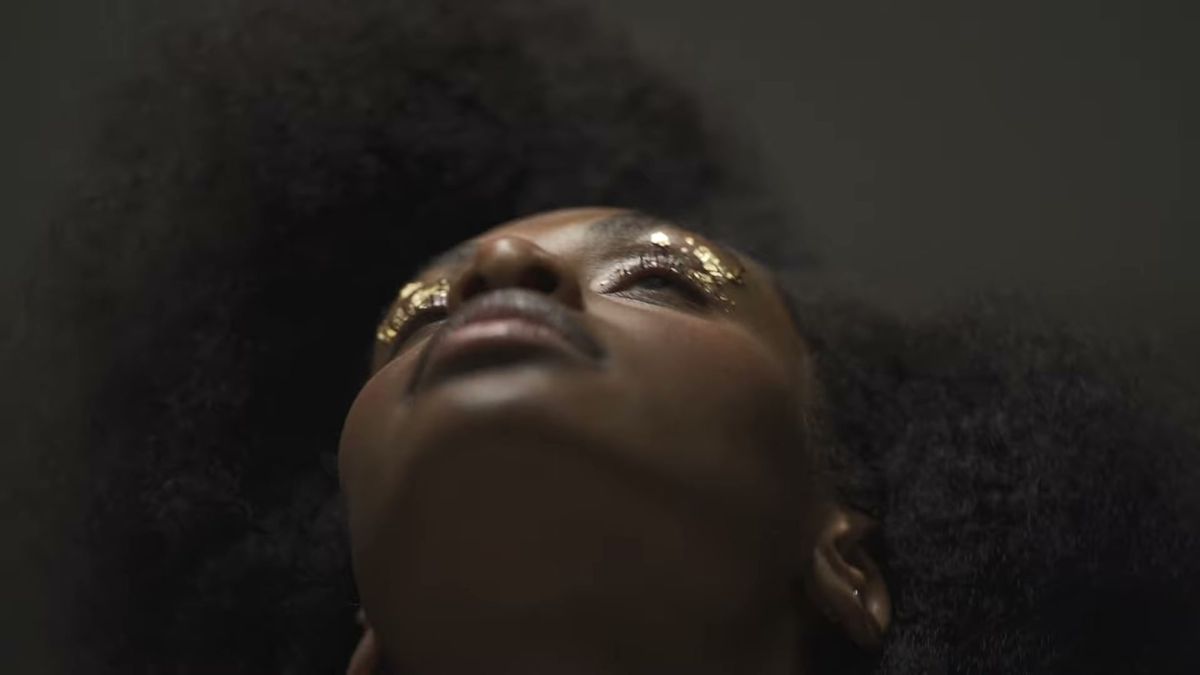
111SKIN · Story of the Gold Leaf
01 · The brief
Two films, two jobs
The commercial for 111SKIN's Three Times One masks and the gold-leaf film look like they belong to the same brand, but they do different jobs. One shows a product on skin and the result afterwards. The other sells an idea: luxury, ritual, an ingredient you can see. Both are under 20 seconds, so every shot has to earn its place.
| Film | Look | What it has to sell |
|---|---|---|
| 111SKIN beauty commercial | Two sets: a pale grey backdrop and black satin. Glossy black masks on face, neck and chest | The product on skin, then clean, glowing skin and a real smile |
| Story of the Gold Leaf | Dark grey backdrop, low warm light, low camera angles, gold leaf on the eyelids | The ingredient as the hero, and a feeling of luxury |
If you want the marketing logic behind this (texture, application, result), it's covered in skincare and beauty content that converts. This post stays on set.
02 · The team
Who does what on a beauty commercial
The credits published with Story of the Gold Leaf list a small, specialist team: art director Charl Marais, photo assistant Charlotte Brewer-Gmoser, make-up by Hila Karmand, hair by James Catalano, nails by Yasmine Elwakil, and the model Manna, booked through her agent at ONE. SwainUK was on camera as cinematographer. On a beauty film every one of those roles shows up on screen, because the camera is centimetres from the skin.
Art director
Owns the idea and the frame: set, colour, styling, and whether a shot says "111SKIN" or just "beauty". The cinematographer's job is to make that vision move.
Make-up artist
On a skincare film, make-up is mostly invisible: even skin, no cakey texture, and placing product (or gold leaf) so it reads on camera.
Hair and nails
Hair frames the face in every shot, and hands touch the product. Both have to be camera-ready for macro, not just for a mid shot.
Photo assistant
Moves lights, flags and reflectors between set-ups so the stills and the film keep to schedule on the same day.
03 · Working with an art director
Making someone else's frame move
Charl Marais is also credited as photographer on the 111SKIN project, which is a common set-up: an art director or photographer leads the look, and the cinematographer adds motion to it. That works well when a few things are agreed before the day.
1. One reference board. The stills and the film should come from the same mood board, so the campaign looks like one piece of work.
2. Who shoots first. Decide whether stills or motion go first on each set-up. Make-up and product (masks, gold leaf) don't last forever under lights.
3. Light for both. A soft key that suits stills usually suits video too. Add motion through the camera and the model, not by relighting.
4. Shared monitor. Let the art director watch the live image. Small notes ("chin down", "more gloss on the lip") are faster than retakes.
5. Protect the hero. Agree on the one shot the film can't live without, and get it while the talent and make-up are fresh.
For a wider view on planning a commercial shoot in the city, see shooting a commercial in London.
04 · The hero shot
How the gold-leaf shot is lit and filmed

Dark backdrop, warm light, closed eyes: the gold is the brightest thing in the frame.
Gold leaf behaves like jewellery: it's a reflector, not a colour. In a flat, bright set it turns into dull yellow paint. In Story of the Gold Leaf it sits on a dark grey background with low, warm light, so the gold is the brightest thing in the frame and the skin falls off into shadow around it. The same principles as photographing jewellery without bad reflections apply.
Keep the room dark
A dark backdrop and flags around the set mean the leaf only reflects the light you chose. Gold on a busy, bright background loses its shine.
Movement makes it sparkle
Gold flickers as the angle changes. A slow head turn or a small camera move does more than any extra light.
Shoot from below
Low angles with the head tilted back put the eyelids, and the gold, towards the light. They also make the shot feel statuesque rather than catalogue.
Expose for the gold
Protect the highlights on the leaf and let the shadows go. You can lift skin in the grade; you can't recover clipped gold.
05 · The masks
Filming a glossy face mask

The highlights on the mask show its texture. Without them it would read as a flat black shape.
A black mask on dark skin is a lighting test. Light it flat and the face disappears into a black shape. The commercial uses the gloss of the mask itself: broad, soft sources create long highlights across the forehead, cheeks and lips, and those highlights describe the shape of the face and the texture of the product.

Black on black: the satin and the mask are separated only by the shape of their highlights.
The second set, black satin, doubles down on that idea. The satin throws its own soft highlights, so the frame is all texture: fabric, mask and skin. Against the pale grey backdrop, the same masks become strong graphic shapes, which suits the result shots, where the face is free and the masks stay on the neck and chest.


The same product on two sets: pale backdrop for clarity, black satin for luxury. Vertical crops from the horizontal film.
Two sets in one day give the edit contrast and give the brand more cut-downs. They also give you vertical crops for social, as above, as long as you frame with a little room on each side (more on that in shooting vertical and horizontal from one shoot).
06 · Checklist
Before you film a skincare commercial
1. Agree the hero shot with the art director and schedule it first.
2. Ask make-up how long the product looks right on skin (masks dry, leaf moves) and plan takes around that.
3. Bring flags and black fabric to control what glossy products reflect.
4. Shoot a close-up of texture, a product-on-face shot and a result shot on every set.
5. Leave space around the face so a 9:16 crop works.
6. Keep the end card simple. The commercial closes on the 111SKIN logo over the set, nothing else.
Watch
The 111SKIN films


More guides
Keep reading
FAQ
Common questions
Who do you need on a skincare commercial shoot?
At minimum a cinematographer, an art director or creative lead, a make-up artist, a hair stylist and the model. Nails and a photo or lighting assistant are worth adding whenever hands and stills are part of the job.
How do you film gold leaf on skin?
Use a dark background and low, warm light so the gold is the brightest thing in the frame, add slow movement so it flickers, and expose for the highlights on the leaf rather than the skin.
How do you light a black face mask on camera?
Use broad, soft sources and let the gloss of the mask create long highlights across the face. Those highlights show the shape and texture; flat light turns the mask into a black shape.
How long should a beauty commercial be?
For social and paid ads, short works: both 111SKIN films are under 20 seconds. Plan texture, application and result shots so a short cut still tells the whole story.
Written by Joshua Swain, a beauty and commercial cinematographer in London and Dubai. See the 111SKIN project.