London · Guide for filmmakers, creators and brands
Gimbal Moves for Commercial Video: The Push, Lead, Orbit and Reveal, and When to Use Each
Six gimbal moves cover almost every brand film. What each one says, how to operate it cleanly and how to plan it into the shot list, with a Code8 shoot filmed entirely on a gimbal.
- Words and camera
- Joshua Swain
- Published
- Reading time
- 8 min
- Filed under
- Guide
In brief
- Every camera move changes what the viewer pays attention to.
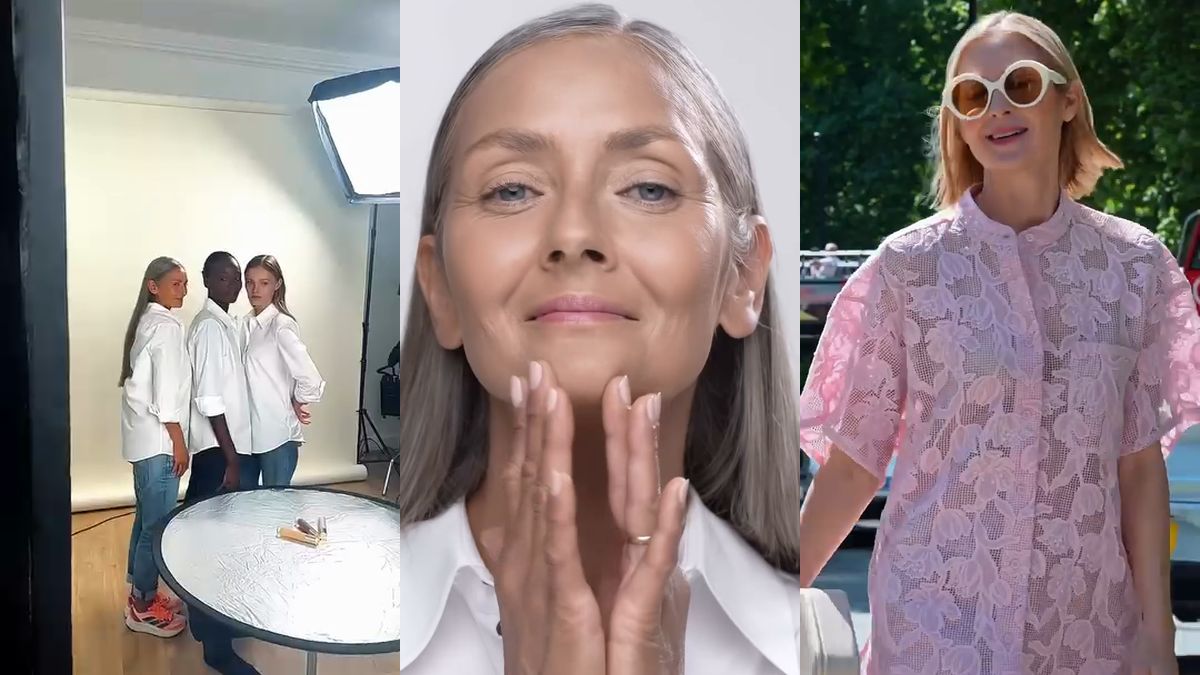
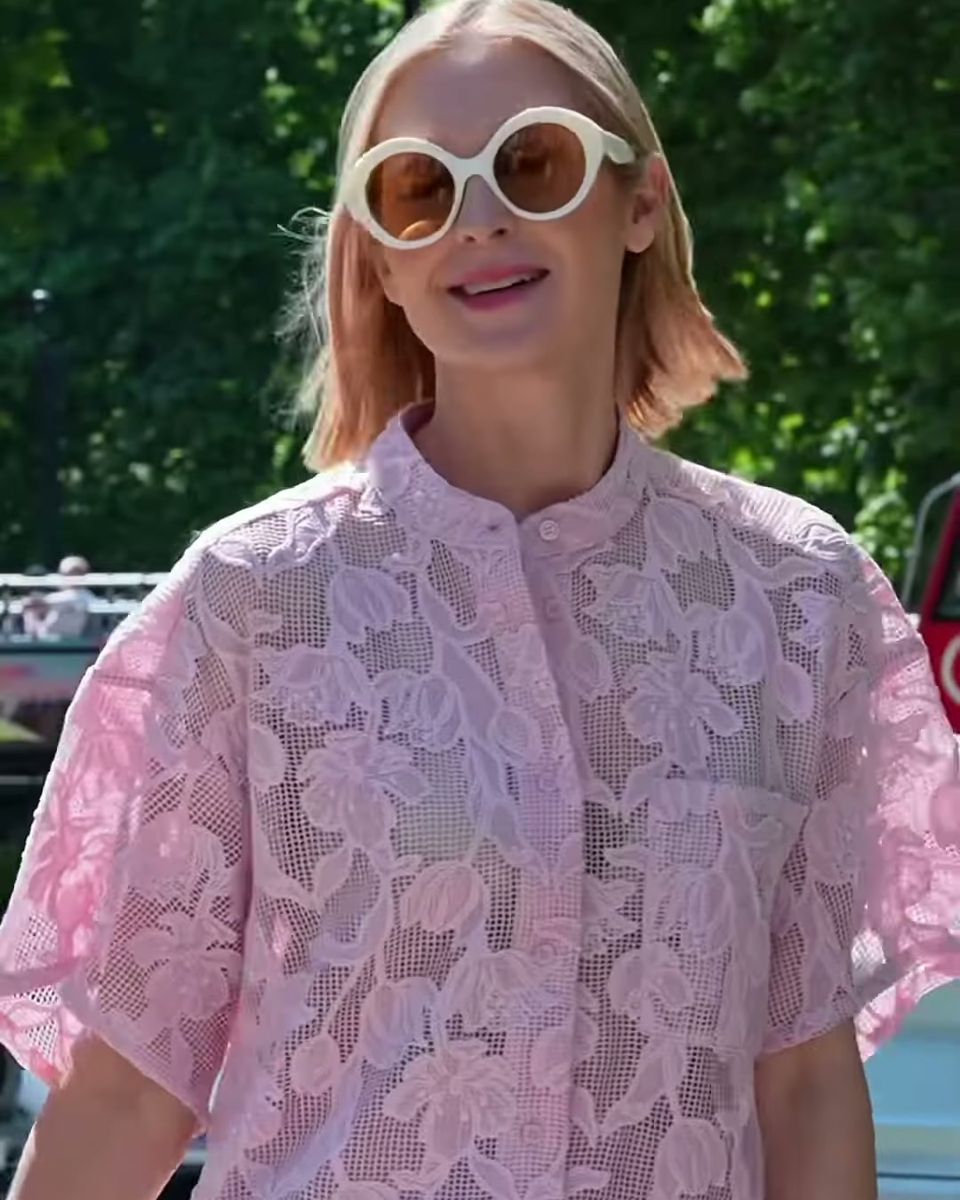
- The Code8 Beauty campaign with Kelly Rutherford, "Beauty but Simple", was filmed in a London hotel, including the bar and a suite, with street scenes in the final film.
- It comes from the operator's feet, a badly balanced camera or a move that's too ambitious for the space.
- The DJI RS 4 Pro is the gimbal used on the Kelly Rutherford shoot.
- If the subject is doing something big, like water thrown from a bath in the L'Officiel Baltic film at Palazzo Versace, a camera move on top competes with the action.
Contents 9 sections
Put a camera on a gimbal and everything floats. That's the trap: footage that drifts around a room without saying anything. The gimbal moves that work in commercial video are few and simple (the push, the pull, the lead, the orbit, the slide and the rise), and each one tells the viewer something different. This guide breaks down those moves, when to use each one, how to operate them cleanly, and how to plan them into a shot list, with frames from a Code8 Beauty campaign with Kelly Rutherford in London that was filmed entirely on a gimbal.
A gimbal doesn't make a shot expensive. A move with a reason does.
Six gimbal moves and what each one says
Every camera move changes what the viewer pays attention to. Before you press record, you should be able to say in one sentence why the camera is moving. If you can't, lock it off or hold it still. These six moves cover almost every brand film, beauty ad and fashion edit.
| Move | What it says | Use it for |
|---|---|---|
| Push in | "Look at this." It narrows attention to one thing | A product in hand, a face reacting, the moment of application |
| Pull out | "Here's where we are." It reveals context | Opening a scene, ending a film, showing a room after a detail |
| Lead (walk backwards) | "Come with us." The talent walks into the lens | Talent arriving, a walk down a street, a confident fashion moment |
| Follow | "See what she sees." The viewer trails behind | Entering a hotel, a venue reveal, a day-in-the-life film |
| Orbit (arc) | "This matters." The background turns behind a still subject | A hero look, a product on a plinth, a final pose |
| Slide and rise | "There's more." Parallax or height reveals a space | Room reveals, passing foreground objects, table tops |
One move per shot
A push that turns into an orbit that turns into a rise reads as nervous. Pick one move, do it well, cut.
Start and end still
Hold a beat before and after every move. The editor needs clean frames to cut in and out on.
Slower than you think
On a phone screen, a slow push looks deliberate. A fast one looks like a mistake unless it's on the beat.
Foreground sells movement
A move past a lamp, a glass or a doorframe shows depth. A move across a flat wall shows nothing.
Kelly Rutherford x Code8: every move on one gimbal
The Code8 Beauty campaign with Kelly Rutherford, "Beauty but Simple", was filmed in a London hotel, including the bar and a suite, with street scenes in the final film. According to the project notes, it was shot on a Sony A9 Mark III with a Sony 28-70mm f2, all movement was done on a DJI RS4 Pro gimbal, the whole shoot was lit with one Aputure 300D, and it was completed in three hours. Moving that fast on a gimbal only works because the moves are simple and decided in advance.


The same moment twice: the scene on the sofa, then the detail of the product leaving its case.
Look at the pair above. A beauty scene like this needs two things from the camera: the person and the product. On a gimbal you can get both from one take by starting on the scene and pushing in towards the hands, or you can shoot them as two short moves and cut between them. The second option is usually safer on a tight schedule: each move is short, easy to repeat and easy to cut.
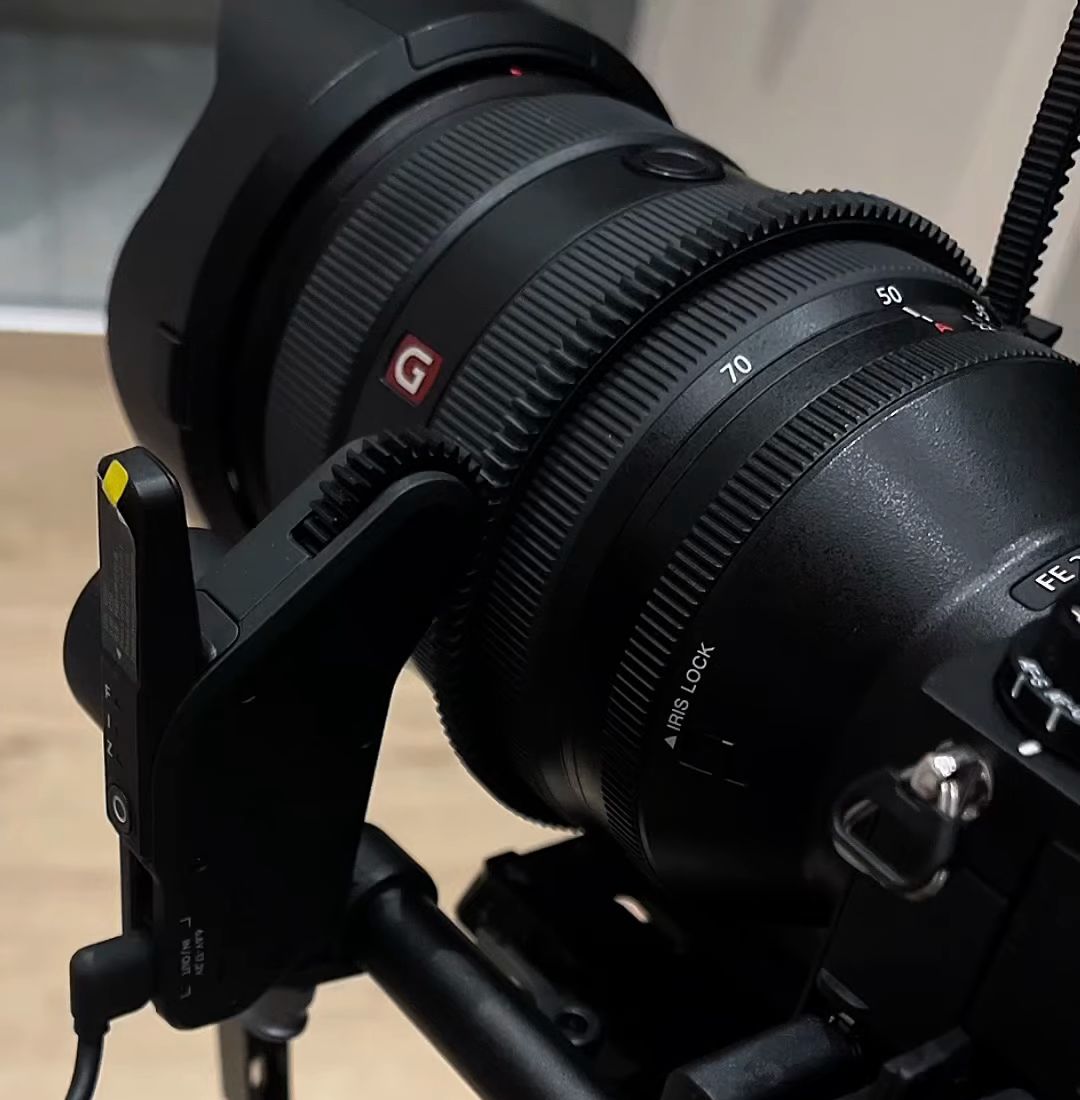
The lens choice matters as much as the gimbal. A zoom like the 28-70mm lets you go from a wide of the room to a close-up of an application without rebalancing for a lens change, which is exactly what you need when the whole shoot is three hours. Rebalancing a gimbal takes minutes every time; over a day, those minutes become scenes you don't get. The full set-to-screen breakdown of this campaign is in the Code8 behind the scenes vs final film case study, and the story behind it in the Kelly Rutherford x Code8 post.
How to operate the moves cleanly
Most shaky gimbal footage isn't the gimbal's fault. It comes from the operator's feet, a badly balanced camera or a move that's too ambitious for the space. These habits fix most of it.
1. Balance properly, every time. Balance all three axes with the lens, filter and any cables already on. A gimbal fighting an unbalanced camera adds micro-jitters you'll only see on a big screen.
2. Walk heel to toe. Bend your knees, roll each step from heel to toe and keep your elbows in. Your legs are the real stabiliser; the gimbal only smooths what's left.
3. Use the zoom, not your feet, for framing. Set the focal length before the take, then move. Zooming during a gimbal move almost always looks amateur.
4. Lead with the subject's speed. On a lead or follow, match the talent's pace, then ask them to walk a little slower than feels natural. It reads as calm on screen.
5. Rehearse once without recording. Walk the move with the talent so they know where the camera will be. One rehearsal saves three takes.
6. Mark the start and end. A piece of tape on the floor for where the move begins and stops makes every take match, which the editor will thank you for.
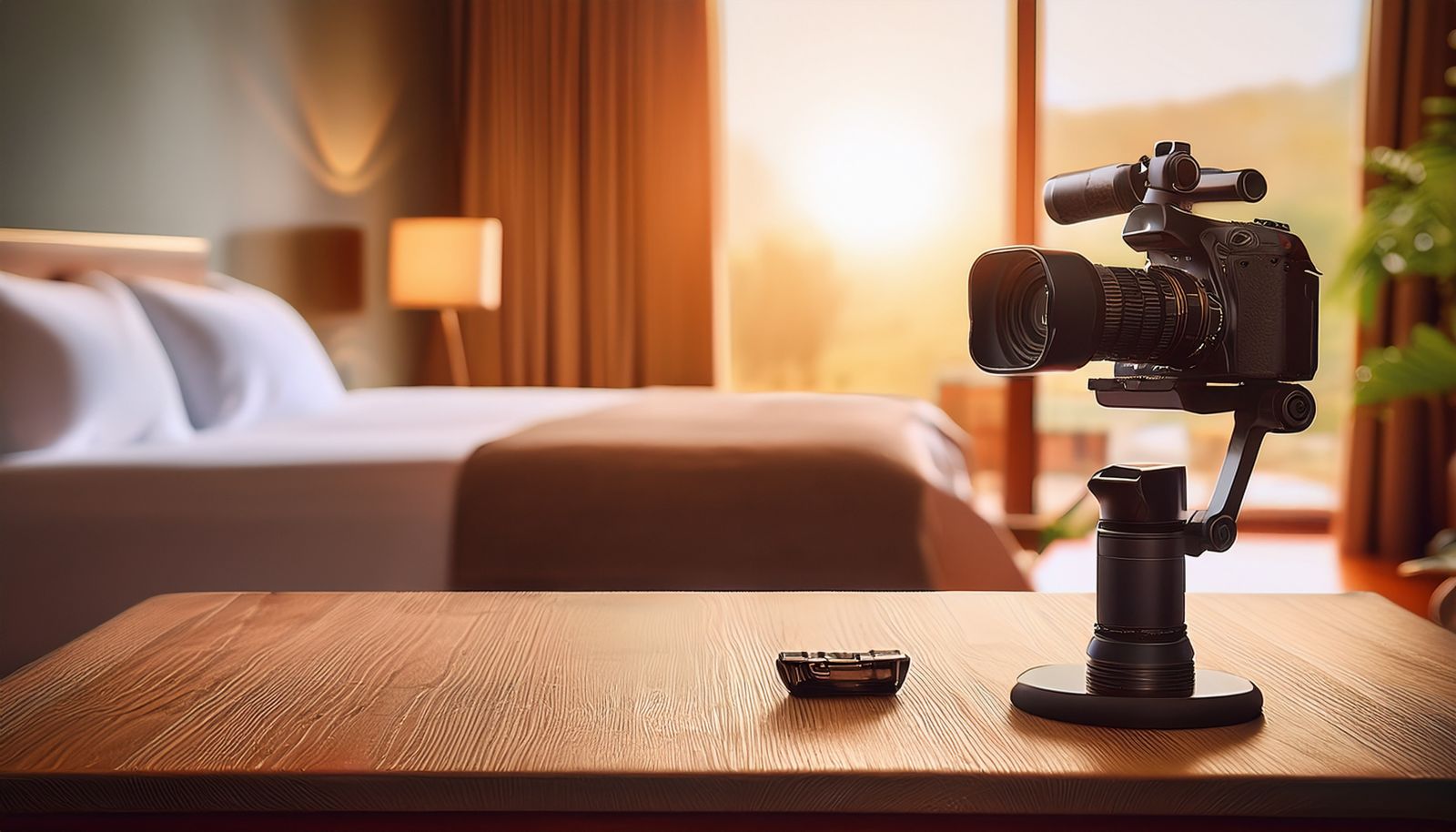
What the DJI RS 4 Pro is built for
The DJI RS 4 Pro is the gimbal used on the Kelly Rutherford shoot. You don't need this exact model to make the moves in this guide, but its specification shows what to look for in any gimbal for commercial work: enough payload for a real camera and lens, quick switching to vertical, and controls that keep you shooting rather than setting up.
| Feature | DJI's figure | Why it matters on set |
|---|---|---|
| Tested payload | 4.5 kg | Room for a mirrorless or compact cinema camera with a fast zoom |
| Gimbal weight | About 1,242 g | You're holding it all day. Plan breaks and support for long takes |
| Max battery runtime | 13 hours (balanced, stationary; less in motion) | A full shoot day on one grip, with a spare for safety |
| Vertical shooting | Second-generation native vertical shooting | Switch to 9:16 for social without extra accessories |
| Axis locks | Second-generation automated axis locks | Faster to power up, pack down and move between rooms |
If the same shoot has to deliver for Reels and for a website, decide early whether you'll shoot vertical natively or crop from horizontal; the vertical-first shooting guide covers both.12
When the camera should stay still, or fly
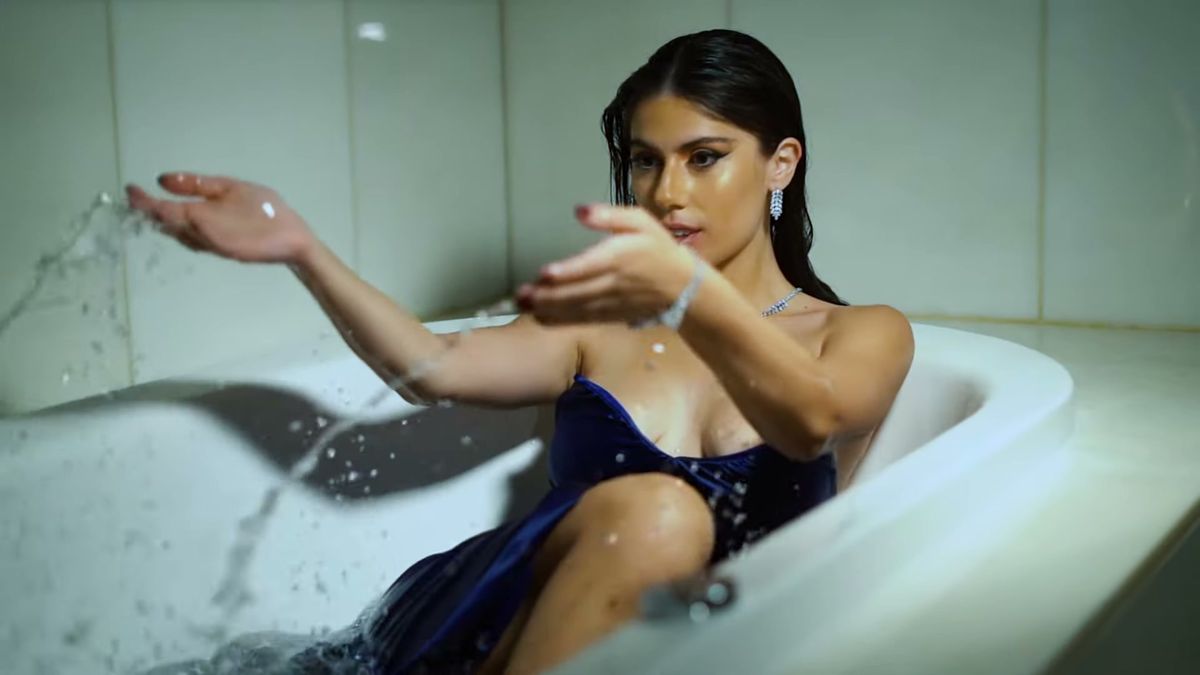
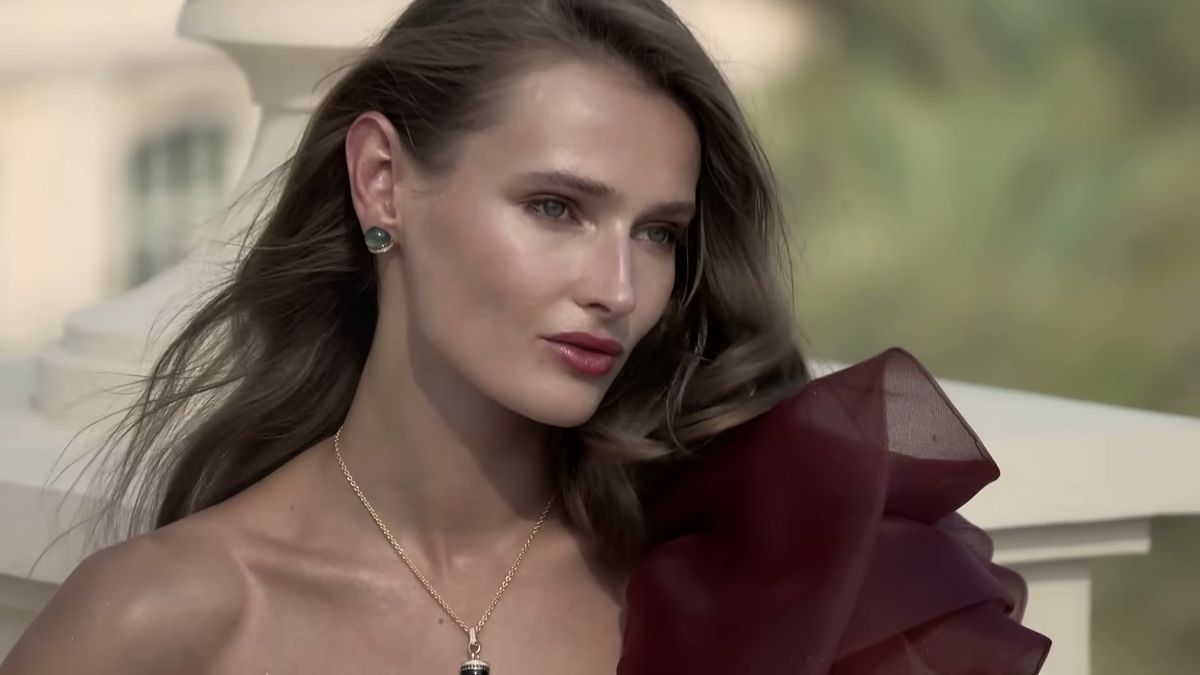
The best gimbal operators know when to stop moving. If the subject is doing something big, like water thrown from a bath in the L'Officiel Baltic film at Palazzo Versace, a camera move on top competes with the action. Hold the frame steady and let the subject move through it. On a gimbal that means a near-static hold, with the motors absorbing your breathing, rather than a move for the sake of it.
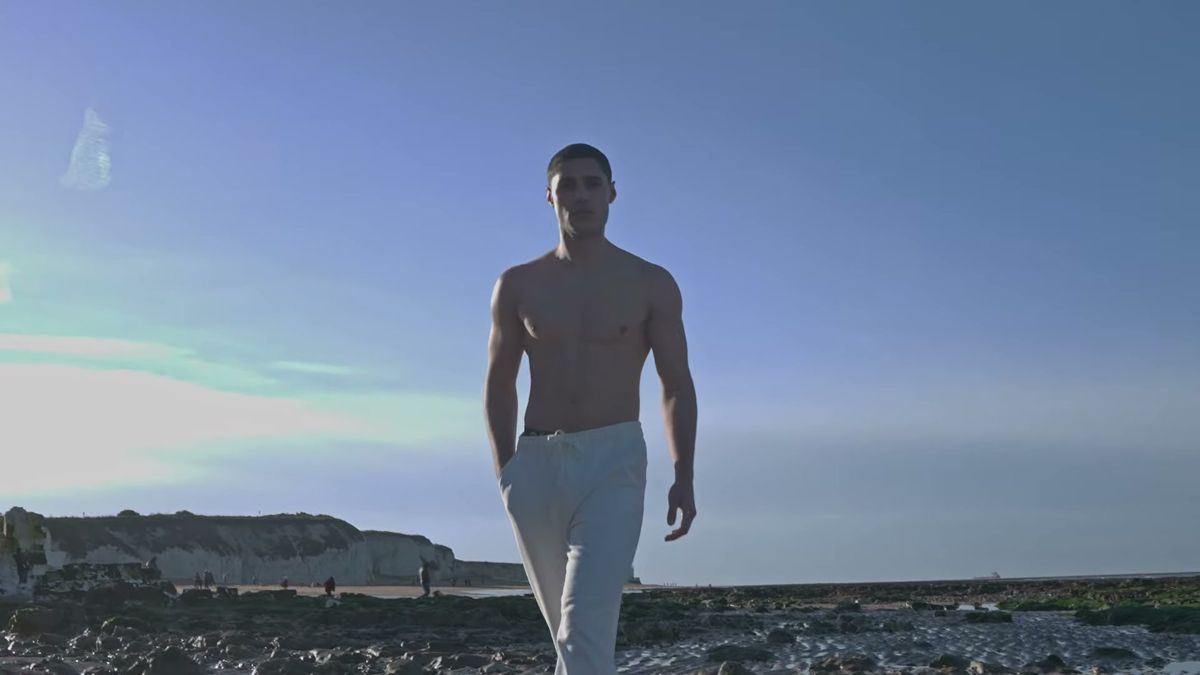
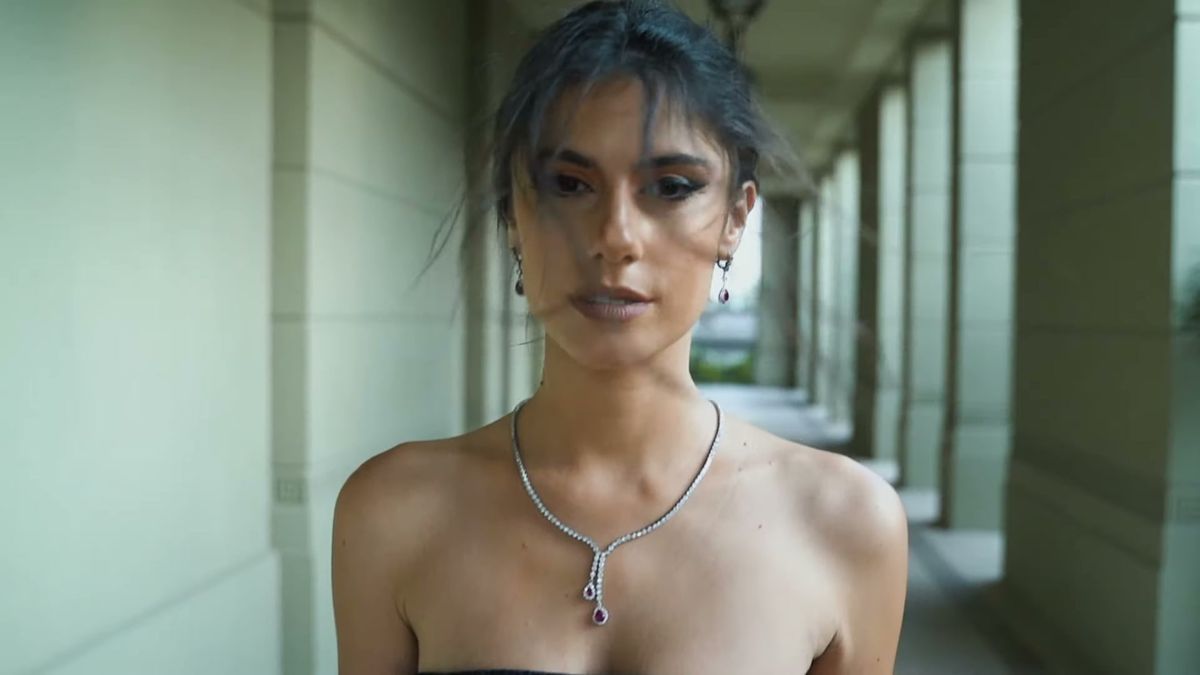
At the other end, some moves are beyond a gimbal. For the test shoot with Vincent from Nevs Model Agency on the Kent coast, the kit listed in the video description was a Sony A7R V with 85mm and 35mm lenses plus a DJI Avata 2 with an ND32 filter, so the fastest moves around the model were flown rather than walked. A gimbal is right for controlled, human-speed moves; a drone takes over when you need height, speed or a path no operator can walk. More on that in FPV for brands and fashion.
Put the move on the shot list
The behind-the-scenes Short from the Code8 shoot opens on the planning: a visual deck with reference frames and a shot list with the shot size and location written against every line. Add one more column, the move, and the gimbal operator knows exactly what each set-up needs before anyone arrives.
| Shot | Size | Move | Why |
|---|---|---|---|
| Arrival at the hotel | Wide to medium | Lead, walking backwards | Introduces the talent with energy |
| Product out of the case | Close-up | Slow push in | Puts the product at the centre |
| Application at the mirror | Close-up | Hold, small drift | The hands are doing the moving |
| The suite | Wide | Slide past foreground | Shows the space with depth |
| Final look | Medium | Slow orbit | A hero moment to end on |
That table is an example of the format, not the campaign's actual shot list. For permits, lighting and a brief template for a London shoot, read shooting a commercial in London.
Moves in the finished films
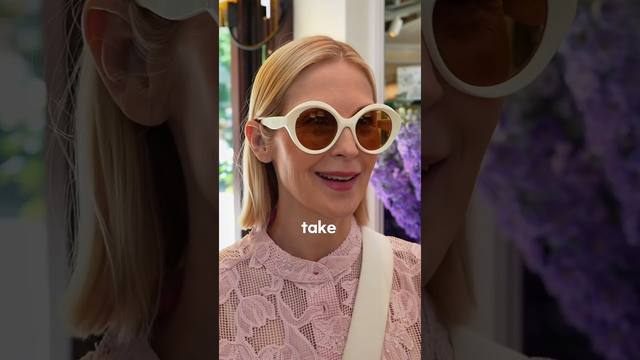
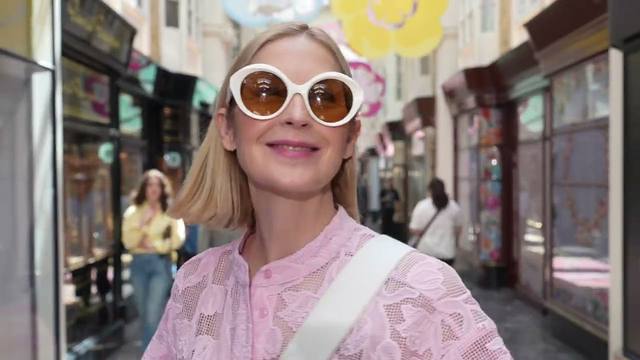
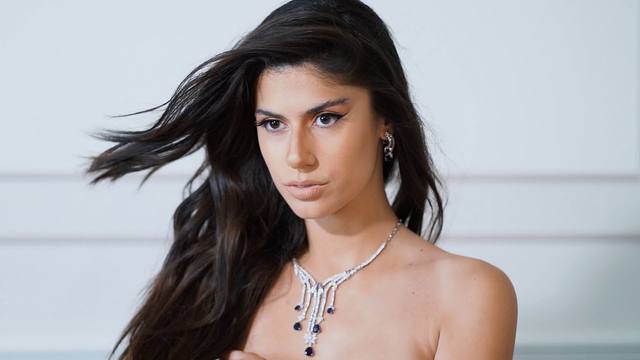
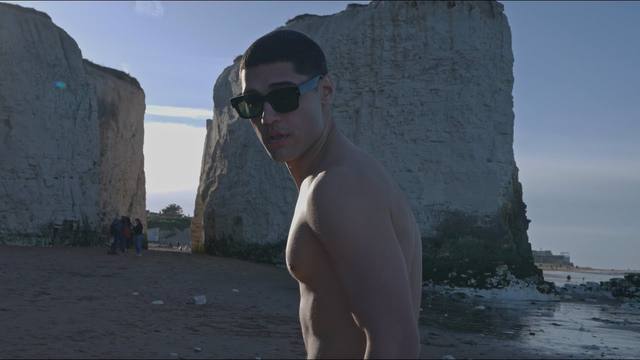
Questions
What are the basic gimbal moves for video?
The push in, the pull out, the lead (walking backwards in front of the talent), the follow, the orbit and the slide or rise. Each one tells the viewer something different, so choose the move for the reason, not because the camera is on a gimbal.
How do you get smooth footage on a gimbal?
Balance the camera on all three axes with everything attached, walk heel to toe with bent knees, keep your elbows in, set the zoom before the take, and hold still for a beat at the start and end of every move.
Can you shoot a whole commercial on a gimbal?
Yes. The Kelly Rutherford x Code8 campaign was filmed with all movement on a DJI RS4 Pro, a Sony A9 Mark III and a 28-70mm f2, lit with one Aputure 300D and completed in three hours in a London hotel.
When should you use a drone instead of a gimbal?
When the move needs height, speed or a path a person can't walk, such as flying around a model on a beach or over a building. For human-speed moves in rooms and streets, a gimbal is more controlled and easier to repeat.
Sources
Work with SwainUK
Planning a shoot like this?
Commercial film and photography in London and Dubai: concept, crew, lighting, shoot and edit, from one team.