
London · Guide for models, brands and photographers
“Most of a good photoshoot happens before anyone picks up a camera. The day only shows how well you prepared.”
How to prepare for a photoshoot depends on which side of the camera you're on, but the goal is the same: arrive with nothing left to fix. For models that means sleep, skin, hair, nails and a packed bag. For brands it means a clear brief, product ready to shoot, a call sheet and the paperwork agreed. This guide covers both, with a timeline you can copy, using agency tests for Linden Staub and Nevs Model Agency in and around London as worked examples.
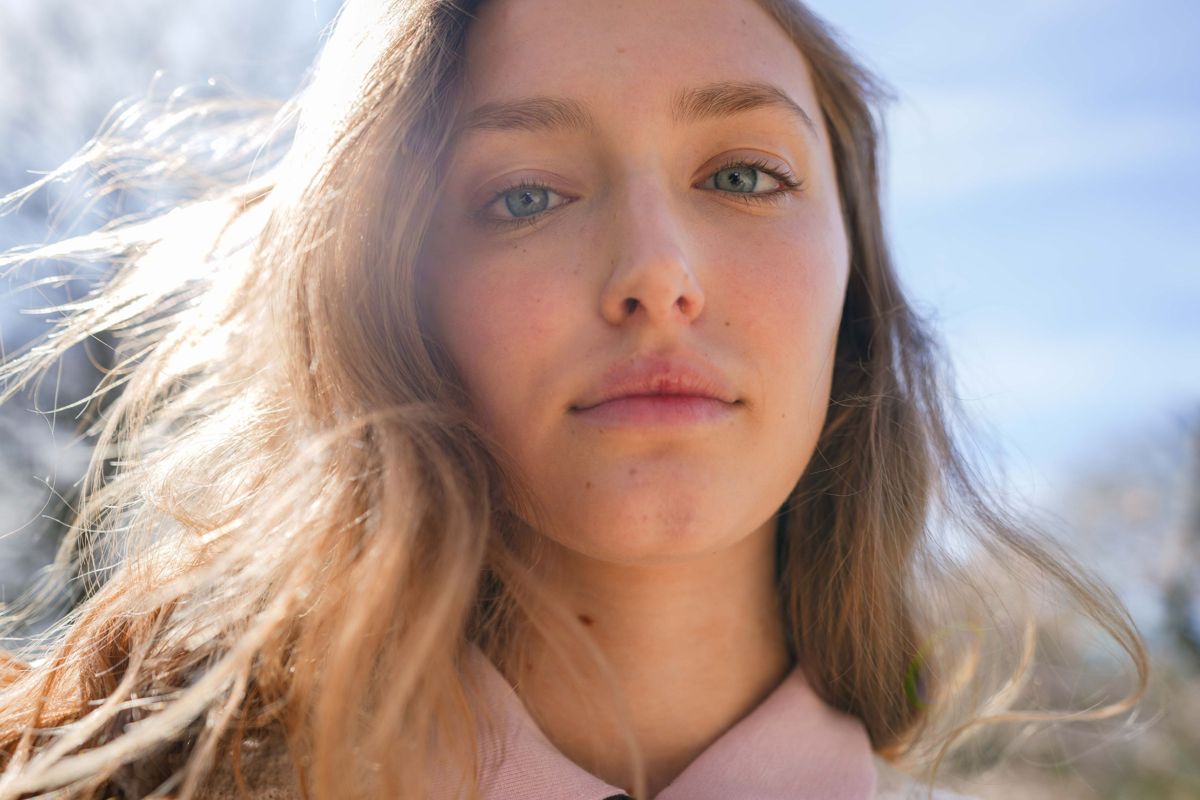
Alice Montemagno for Linden Staub. A close portrait in daylight shows exactly how prepared the skin and hair are.
01 · Timeline
When to do what
Preparation is mostly about timing. Leave things to the morning of the shoot and they show up in the pictures. Here is a simple timeline for models and brands side by side.
| When | Model | Brand or client |
|---|---|---|
| One to two weeks before | No new skincare, treatments, haircuts or colour unless agreed. Book nails if needed | Brief signed off, moodboard shared, model booked through the agency, location confirmed |
| Three to five days before | Confirm the looks with the photographer or stylist. Try everything on | Product delivered and checked. Spares ordered. Usage and releases agreed |
| The day before | Pack the bag. Early night. Hair washed as briefed. Nails clean | Call sheet sent. Product steamed, labelled and packed. Weather checked |
| The morning | Clean face, no make-up unless asked. Eat. Leave early | Arrive before call time. Set up product and the changing space |
The worst surprises are avoidable ones: a fresh haircut nobody asked for, a reaction to a new face mask, a sample that arrives creased or the wrong size. Most come from changing something in the last week.
02 · For models
Skin, hair, nails and sleep

Illustration: wardrobe and make-up prepared before a shoot.
Cameras see more than mirrors, especially in close portraits and natural light. On agency tests like the ones in this guide, the point is to show the model as they really are, so the work is about looking rested and well kept, not transformed.
Sleep
Tiredness shows first around the eyes and in energy on set. Protect the two nights before, not just the last one, and avoid a late night out before an early call.
Skin
Keep to your normal routine. No new products, peels, facials or treatments in the last week or two: redness and breakouts are hard to hide and slow to retouch honestly. Moisturise, and bring lip balm.
Hair
Don't cut or colour without asking the agency and photographer. Arrive with clean, dry hair unless the brief says otherwise, so the hair stylist starts from a blank page.
Nails and hands
Hands end up in more frames than people expect. Clean, short to medium nails, neutral or bare, with tidy cuticles. Chipped polish is worse than none.
Grooming
For men, ask whether the brief wants clean-shaven or stubble, and shave with enough time for any redness to settle. Brows tidy, not reshaped.
Tan and marks
Avoid fresh tan lines, sunburn and fake tan in the last days unless agreed. Tell the photographer about tattoos, piercings or new marks before the day.
On set, a make-up artist and a retoucher can only do so much without losing the texture of real skin. How that balance works in post is covered in beauty retouching that keeps skin texture.
03 · Wardrobe
Looks that work on camera


One plain light look, one statement accessory: the face stays the subject. Linden Staub test, London.
The Alice test for Linden Staub used two simple looks: a cream knit cardigan with a pink skirt, and a white shirt jacket over a plain top, with one flower earring as the only statement. Light, plain colours and clean lines keep the attention on the face and the movement, which is what an agency test is for. The Vincent test for Nevs Model Agency on the Kent coast works the same way in a cream open shirt and trousers.
Fit first. Clothes that fit well always beat expensive clothes that don't. Pin or clip anything loose.
Plain over busy. Solid colours and simple textures. Logos and loud prints date pictures fast and fight with the face.
Two or three looks. Each one should do something different: one light, one darker, one with more shape.
Steamed and ready. Creases show on camera. Bring a portable steamer or arrive with everything hanging.
Shoes count. Full lengths show feet. Clean shoes that suit each look, plus a pair to walk to set in.
04 · The bag
What to bring to a photoshoot

Vincent, Nevs Model Agency. A full length in a tonal outfit, clean white trainers included.
A model's bag should cover the shoot even if the stylist forgets something. This list works for most fashion, beauty and test shoots.
Underwear: seamless nude and black, plus a strapless bra if relevant. Nothing with visible logos.
Basics: a plain white and a plain black top, simple jeans or trousers, heels and flat shoes.
Skin and hair: moisturiser, lip balm, make-up remover, hair ties and clips, a brush.
Comfort: water, snacks, a warm layer or robe for outdoor shoots between takes.
Paperwork: ID, the agency's contact, and the call sheet on your phone.
Outdoor shoots in Britain add one more item: something warm. On the coast or in a park in spring, a model can be cold within minutes of taking a coat off, and cold shows in the face and shoulders. For more on working with the weather and the light, see natural light fashion photography in London.
05 · For brands
The brief, the product and the call sheet

A prop and a pose planned in advance: the car turns a test into a story.
For a brand, preparing for a photoshoot is mostly about decisions made early. Every question left open becomes a conversation on set, and conversations on set cost time and light.
One clear brief
What the pictures are for, where they'll run, the shots that must be delivered, and a short moodboard of references for light, location and framing.
Product ready to shoot
Delivered early, checked for damage, steamed, with tags and stickers removed and spares of anything small or fragile.
Paperwork agreed
Model fees and usage agreed with the agency, and releases ready. See model release forms and usage rights explained.
One decision-maker
Name one person on set who can approve a look or a shot. Approval by group chat slows everything down.
Then send a call sheet the day before. It's one page, and it answers every question a model, make-up artist or assistant might otherwise message about at 7am.
Date and call times: when each person arrives (hair and make-up first, talent, then crew).
Location: the exact address, a map pin, where to park or the nearest station, and where to meet.
Contacts: photographer, producer and the agency booker, with phone numbers.
Running order: looks in order, with rough times and a lunch break.
Wardrobe and bring list: what is provided and what the model should bring.
Weather plan: the backup if it rains, for any outdoor location.
06 · On the day
Make the first hour count

Vincent on the Kent coast, in natural light. Editorial meets e-com.
Arrive ten to fifteen minutes early, with a clean face unless told otherwise. Shoot the headshots and close-ups first while hair, make-up and energy are fresh, then move on to full lengths, movement and the looks that need more time. A short warm-up of easy frames relaxes everyone and usually produces something usable.
Models: ask to see a few frames early so you understand the light and the angles that work, then trust the photographer and stop checking. Brands: check the first set properly, give clear notes once, and let the team work. For a step-by-step on agency tests, read the model test shoot guide; for beauty-led shoots, the make-up artist portfolio guide covers looks and timing.
Watch
Test shoots in London
 Shooting with Ami for Linden Staub
 Testing with Giulia for Linden Staub
 Test shoot with Angela, London
 She didn't want to do it: a test shoot


More guides
Keep reading
FAQ
Common questions
How should a model prepare for a photoshoot?
Sleep well for the two nights before, keep to your normal skincare with no new products or treatments, don't change your hair without asking, keep nails clean and neutral, confirm the looks in advance, pack a bag with basics and seamless underwear, and arrive early with a clean face.
What should I bring to a photoshoot?
Seamless nude and black underwear, plain white and black tops, simple trousers or jeans, heels and flat shoes, moisturiser, lip balm, make-up remover, hair ties, water, snacks, a warm layer for outdoor shoots, ID and the call sheet.
Should I wear make-up to a photoshoot?
Usually not. Arrive with a clean, moisturised face unless the photographer or agency asks otherwise, so the make-up artist can start from scratch. On an agency test, make-up is normally kept close to natural.
How does a brand prepare for a product photoshoot with a model?
Sign off one clear brief with a moodboard, book the model through the agency with usage agreed, deliver product early and steamed with spares, name one decision-maker for the day, and send a one-page call sheet with times, location, contacts, running order and a weather plan.
Written by Joshua Swain, a photographer and cinematographer shooting fashion, beauty and model tests in London and Dubai. The full Linden Staub test with Alice is on the Alice Linden Staub project page.