London · Guide for fashion brands, designers, photographers and filmmakers
Lookbook Shoot Guide: Planning, Coverage per Look, Consistency and the Motion Lookbook
A lookbook promises every look the same chance. How to plan the running order, cover each look, keep it consistent all day and add short motion clips.
- Words and camera
- Joshua Swain
- Published
- Reading time
- 7 min
- Filed under
- Guide
In brief
- From that sheet you get the running order, the number of changes, and a realistic idea of how many looks fit in a day.
- The fastest way to make a lookbook consistent is to give every look the same list of shots, in the same order.
- If look 04 is lit from the left and look 11 from the right, or one is shot from waist height and the next from eye level, the reader notices before they know why.
- A packshot tells you what a bag looks like; a lookbook should tell you how big it is and how it is carried.
- Many lookbooks are now delivered as video too: a short clip per look for the product page, and a cut of the whole collection for social.
Contents 8 sections
A lookbook shoot has one job: show a collection clearly, look by look, so buyers, press and customers can see every piece and how it is worn. That sounds simple, and it is where most shoots go wrong: half the looks get the good light, the details are forgotten, the last three outfits are rushed. This guide covers how to plan a lookbook shoot, the coverage every look needs, how to keep it consistent from the first frame to the last, and how to add motion, using a Staccato range shoot in London and an Aspinal of London accessories shoot as the examples.
A lookbook is a promise that every look gets the same chance. Consistency is the creative decision.
Start with a look sheet, not a moodboard
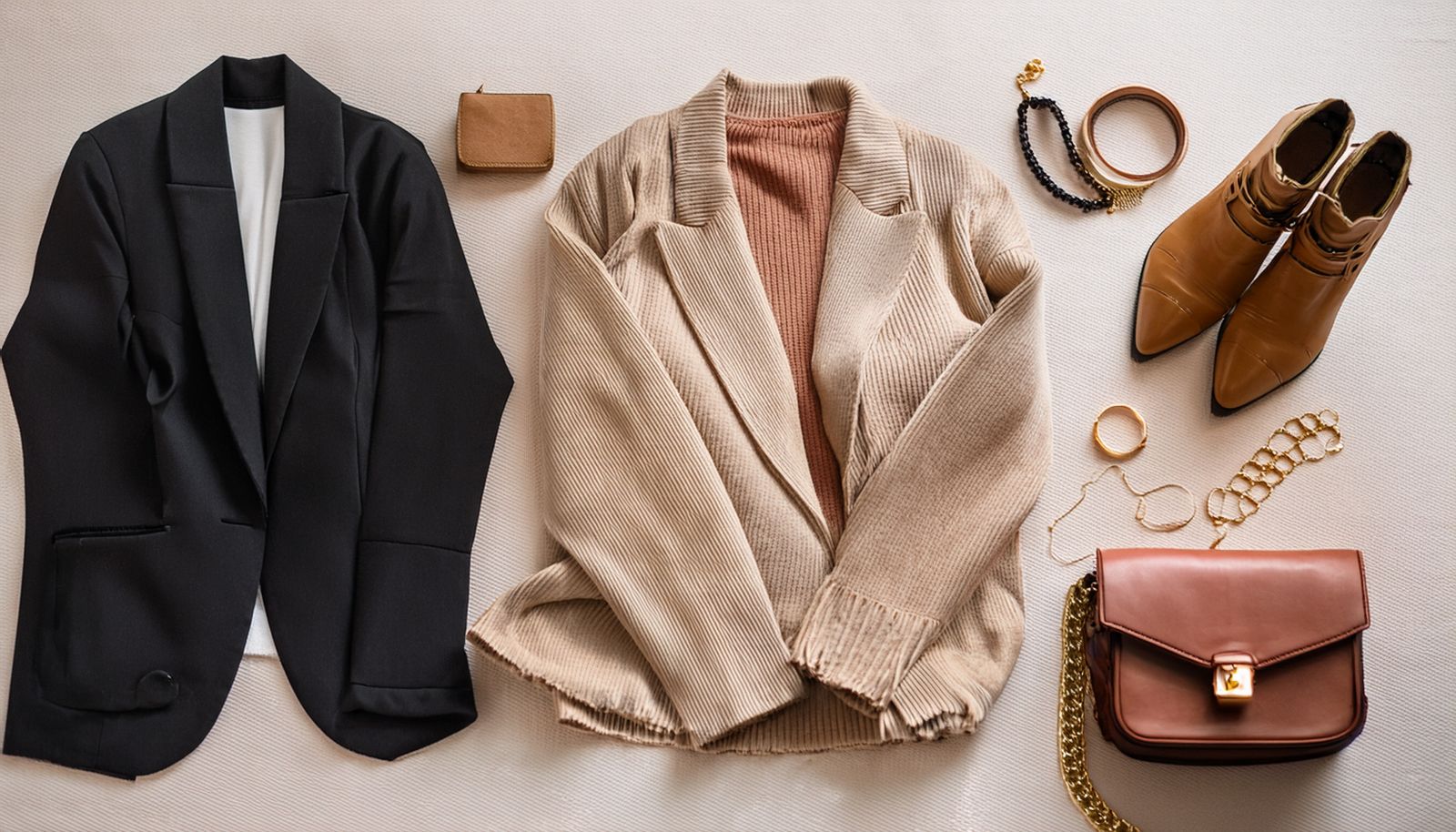
Before references and locations, list the collection. A look sheet is a single page with one row per look: a photo of the outfit on a rail or a flat lay, every piece in it, the shoes and accessories, the hero piece the buyer must see, and any detail that sells it (a buckle, a lining, a stitch). From that sheet you get the running order, the number of changes, and a realistic idea of how many looks fit in a day.
| Column | What goes in it |
|---|---|
| Look number | Look 01, 02, 03. The same number goes on the file names later |
| Pieces | Every garment, with style code and colour |
| Shoes and accessories | Which bag, which jewellery, which shoe. Decided now, not on set |
| Hero piece | The one item this look exists to sell |
| Details to shoot | Hardware, fabric, lining, a logo, the back |
| Movement | Walk, turn, sit or still, chosen for what the fabric does |
Group the running order by what changes slowly. Hair and make-up changes take longest, so cluster the looks that share a beauty look. Then group by shoes, then by location or backdrop. Put the hero looks early in the day while the model and the light are fresh.
The shots every look needs
The fastest way to make a lookbook consistent is to give every look the same list of shots, in the same order. The client gets a complete set, and the edit or layout has the same choices on every page.
Full length, front
Head to toe with space above and below. This is the page in the lookbook, so it is shot first, every time.
Three-quarter turn
Shows the cut and the silhouette, which a flat front view hides.
Back
Often forgotten, often where the design is: a low back, a vent, a logo across the shoulders.
Mid shot and detail
Waist up for the styling, then close on the hero detail from the look sheet.
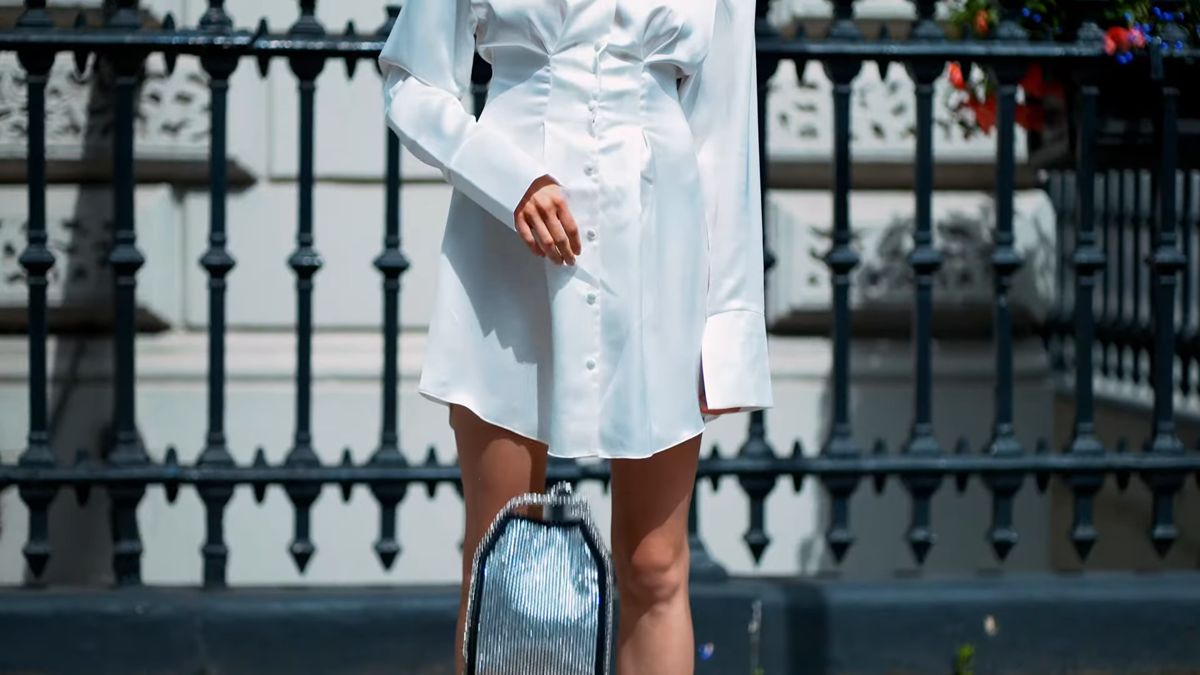
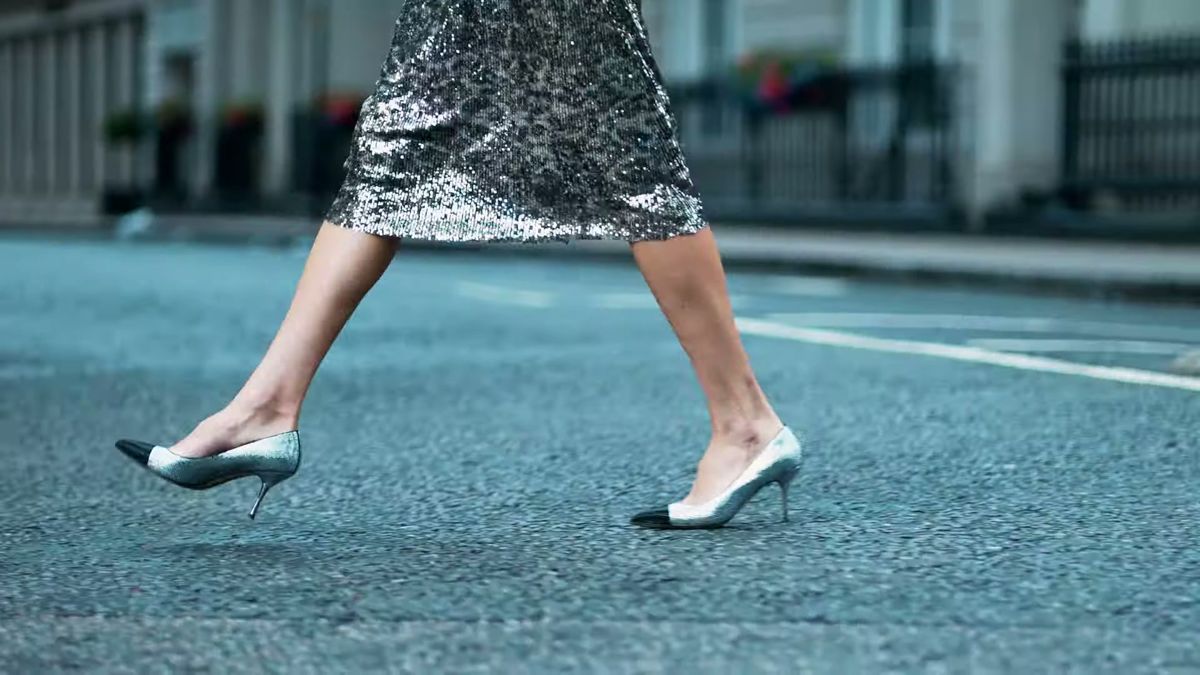
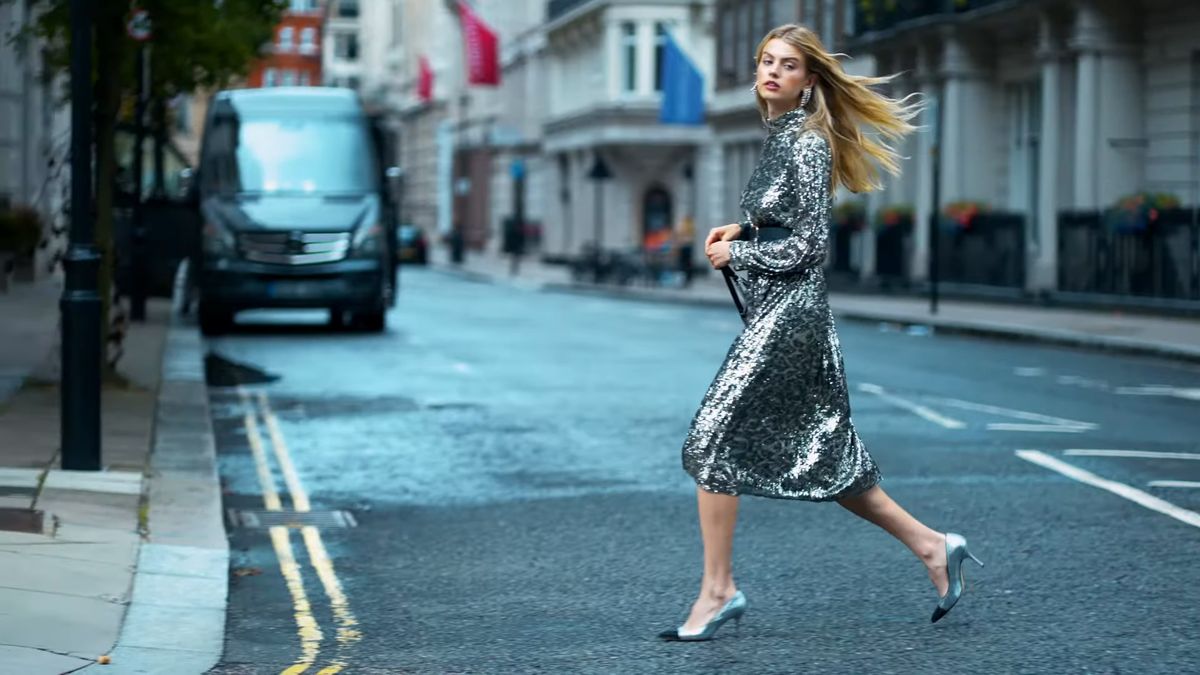
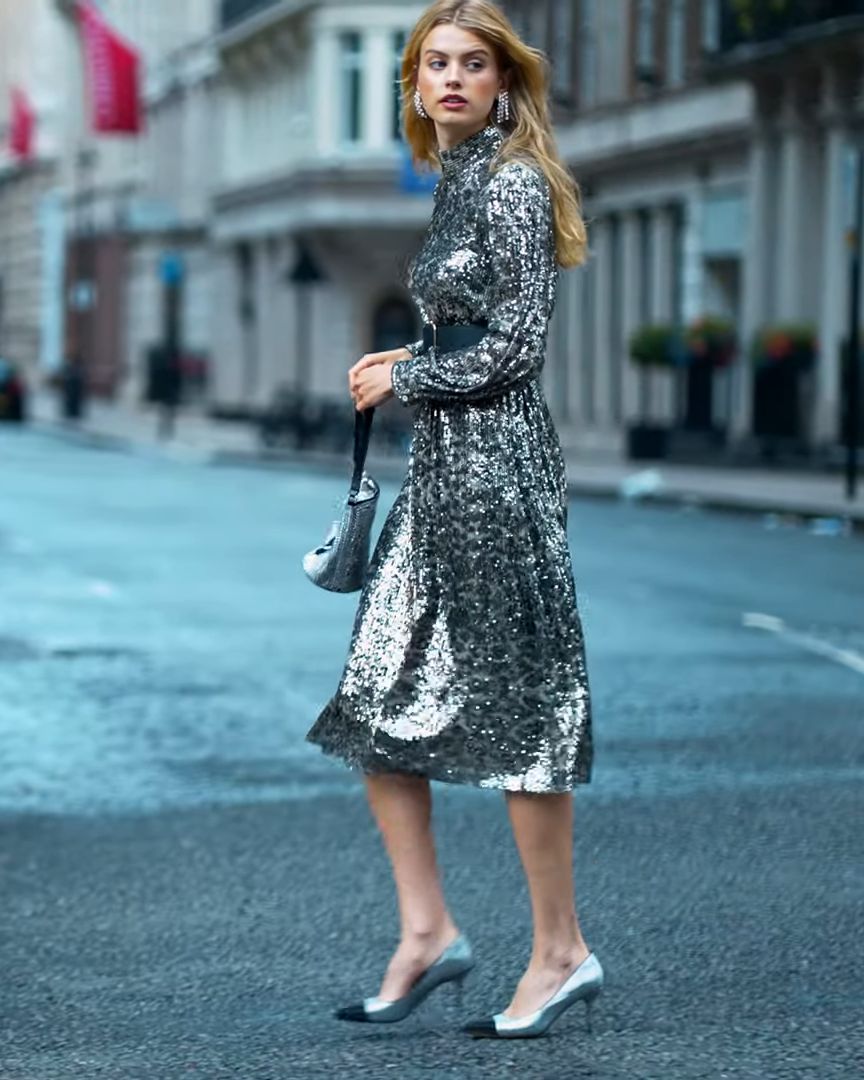
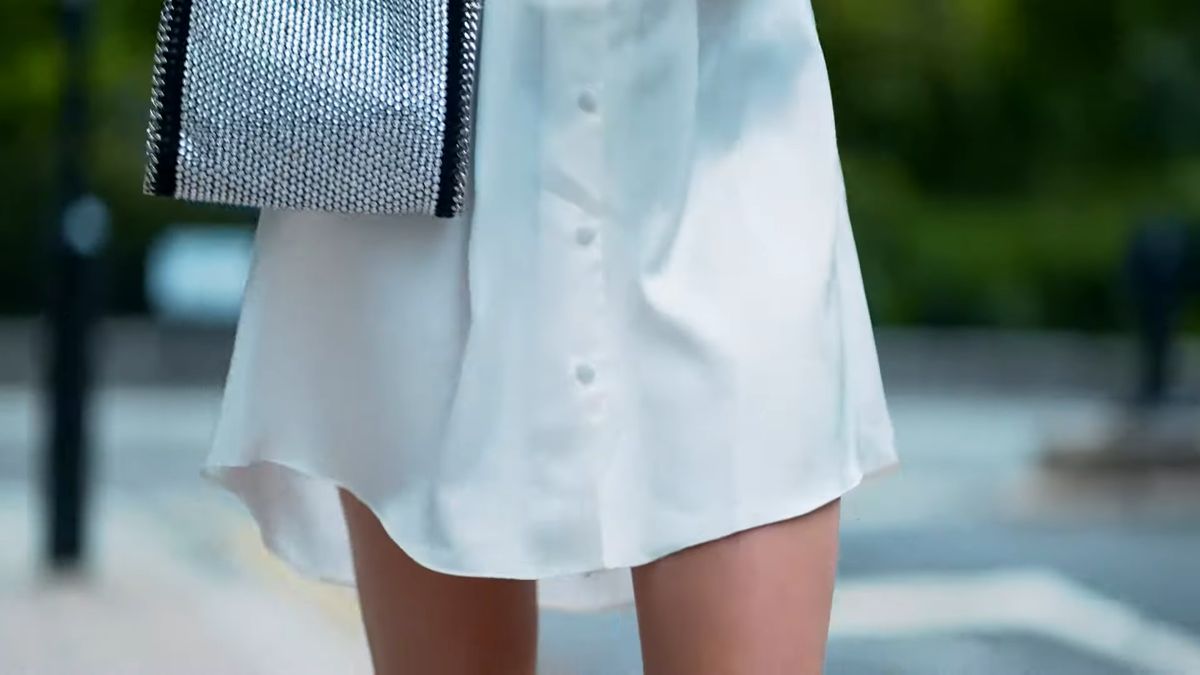
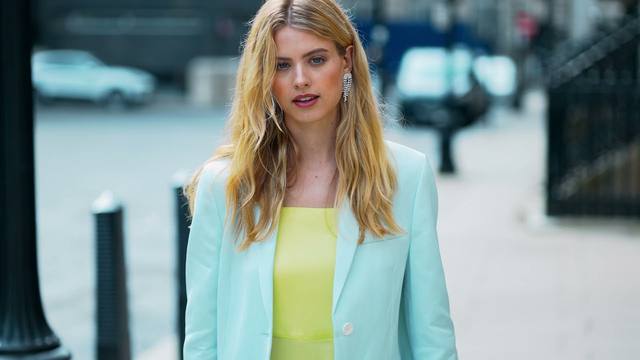
The Staccato shoot in London is a good model for range coverage. The brief was a full shoe range, from everyday to evening, with clean styling, natural light and one model. Each end of the range got its own outfit: a white shirt dress for the everyday look, a silver sequin dress for evening. Within each look the camera worked through the same sizes, from the full figure in the street down to the hem, the bag and the shoe. That is what lets a range read as one collection rather than a pile of separate products. The footwear side of the shoot is covered in the Staccato footwear case study.
Lock the variables
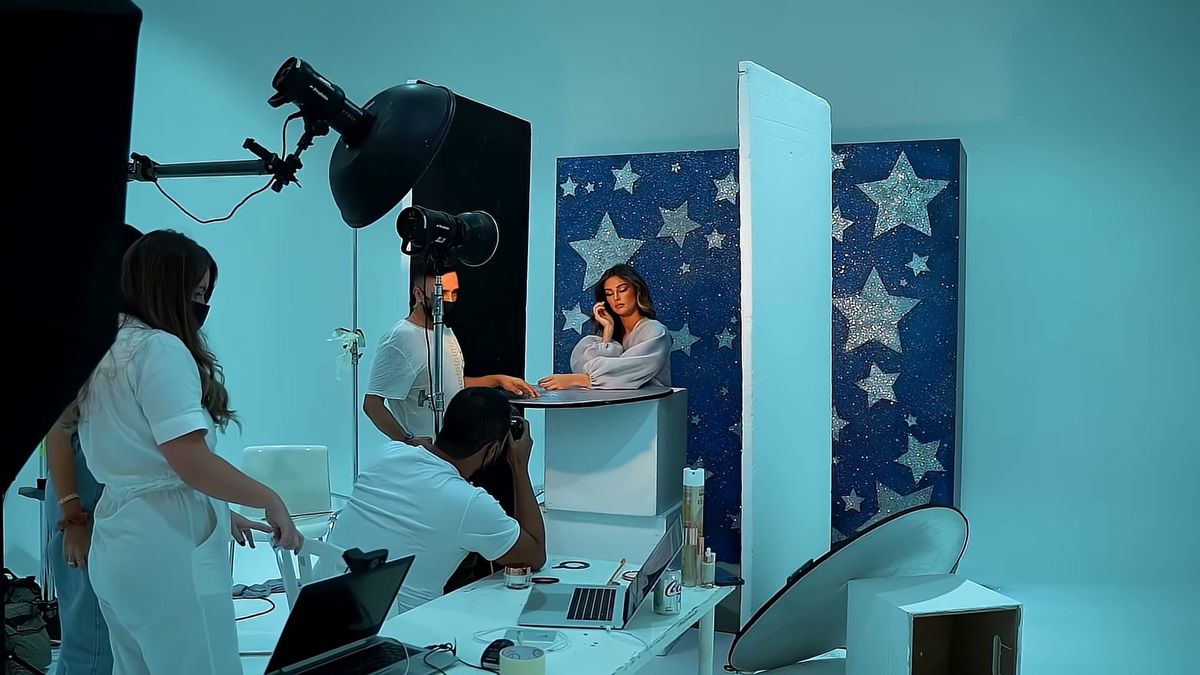
A lookbook is read as a set. If look 04 is lit from the left and look 11 from the right, or one is shot from waist height and the next from eye level, the reader notices before they know why. Decide these once and write them down.
Camera height and distance. Mark the floor for the camera and the model. Full-length frames shot from around waist height keep the proportions true; a lower camera makes legs longer, which is fine if you do it on every look.
Lens. One focal length for the full-length frames. Switching between a wide and a long lens changes the shape of the body between looks.
Light. In a studio, tape the light positions. On location, shoot in open shade or overcast light and finish before the sun moves round the building.
White balance. Set it in Kelvin and lock it, and shoot a grey card at the start of each location. Colour accuracy is the whole point of a lookbook.
Pose vocabulary. Agree three or four poses with the model and repeat them across looks. Save the expressive frames for the campaign.
On the street, natural light is the main variable. The London light is soft for much of the year, which suits fabric and keeps colours honest; the natural light fashion guide covers the streets, parks and times of day that work.
Show bags and small goods on a person


Aspinal of London: the crossbody bag worn, so its size reads against a jacket, and the holdall shown with the luggage it travels with.
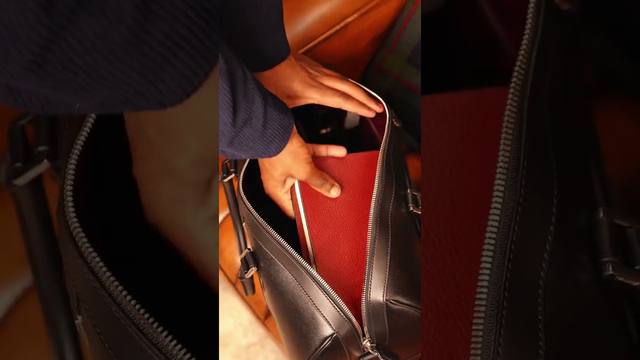
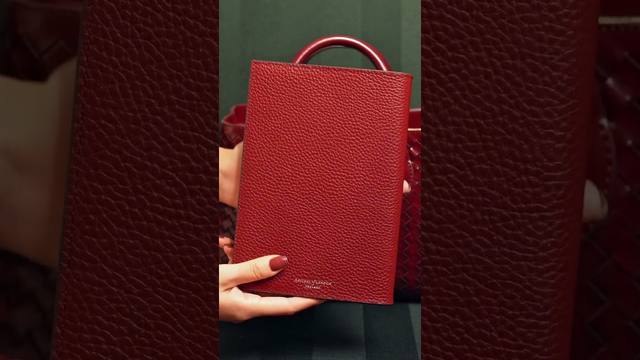
Accessories need a different kind of coverage. A packshot tells you what a bag looks like; a lookbook should tell you how big it is and how it is carried. For Aspinal of London the brief was a lifestyle campaign designed to show the product in real London life rather than on a shelf, with every frame about the polished metal handles, the stitching and the leather. In practice that means three shots per piece: worn on the body for scale, in the hand being used (opened, zipped, a strap adjusted), and a close detail of hardware and grain.
Scale first
A crossbody against a jacket, a holdall in a hand: the customer should be able to judge size without reading the dimensions.
Pair the range
Pieces from one line shown together, like a holdall on a matching case, sell the second item.
Hands matter
Clean nails, no plasters, rings chosen on purpose. In a close-up the hands are half the frame.
Dress for the leather
Dark tailoring makes black leather disappear. Give the bag a contrasting texture or colour behind it.
The motion lookbook
Many lookbooks are now delivered as video too: a short clip per look for the product page, and a cut of the whole collection for social. If you plan it from the start, motion costs very little extra time, because the model is already dressed and the light is already set.
| Clip | Length | What it does |
|---|---|---|
| Walk towards camera | 3 to 5 seconds | Shows how the fabric moves and how the shoe walks |
| Slow turn | 4 to 6 seconds | Front, side and back in one take. Ideal for product pages |
| Detail move | 2 to 3 seconds | A slow push on hardware, a hem swinging, a bag opened |
| Look-to-look edit | 15 to 30 seconds | The whole collection, cut on movement, for social |
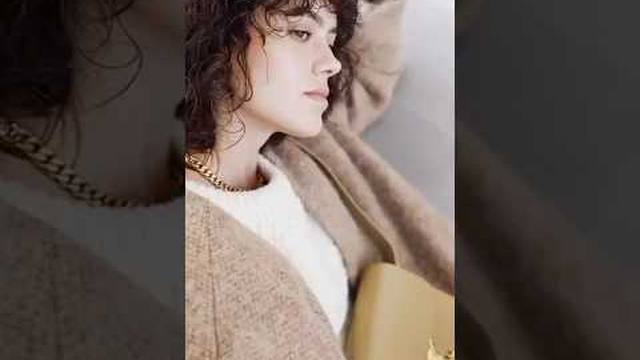
The Celine Winter '22 film is a short version of this idea: a whole collection shown look by look in a vertical edit of under 20 seconds, filmed handheld on a Sony FX3 with an 85mm lens on a clean, pale set. When the stills and the film share the light, the photographer and the videographer can work the same set-up; the photo and video on the same shoot guide covers how to schedule that without the two getting in each other's way.
Name it, check it, hand it over
1. Name every file by look number and shot: Look07_Full_Front, Look07_Back, Look07_Detail_Buckle.
2. Deliver a contact sheet per look before retouching, so the client picks selects in one pass.
3. Retouch to the same standard across every look: fabric creases, lint and stray threads, not bodies.
4. Export the crops the brand needs: portrait for the lookbook and e-commerce, 9:16 for stories, a landscape for the website banner.
5. Confirm usage in writing, and keep the model release with the booking (see model release forms).
Collections on film
Questions
What is a lookbook photoshoot?
A shoot that shows a fashion collection look by look, in consistent light and framing, so buyers, press and customers can see each outfit clearly. Every look gets a full-length front, a three-quarter turn, a back view and a detail.
How many looks can you shoot in a day?
It depends on how many hair and make-up changes there are, how complex the outfits are and whether you are also filming. Build the running order from a look sheet, group looks that share a beauty look and shoes, and put the hero looks first.
What is the difference between a lookbook and a campaign shoot?
A lookbook shows every piece clearly and consistently; a campaign sells the mood of the season with fewer, more expressive images. Lookbooks need repeatable light and framing, campaigns need a concept and a location or set.
Should a lookbook include video?
Increasingly, yes. A short walk or slow turn per look works on product pages, and a look-to-look edit works on social. Planned from the start, it adds little time because the model is already dressed and lit.
Work with SwainUK
Planning a fashion shoot?
Fashion films, lookbooks and campaign stills in London and Dubai, from treatment to final grade.