London · Guide for brands, producers and filmmakers
Shot List Template for a Commercial Shoot: The Columns, Priorities and Shooting Order, With Real Examples
A shot list turns a brief into a day you can finish. A copyable template, how to write each row, and how it played out on Staccato and Code8 shoots in London.
- Words and camera
- Joshua Swain
- Published
- Reading time
- 6 min
- Filed under
- Guide

In brief
- On a commercial shoot the hours are fixed, the talent is booked for a set time and the client expects a list of deliverables at the end.
- You can build this in a spreadsheet, a doc or a shared slide deck.
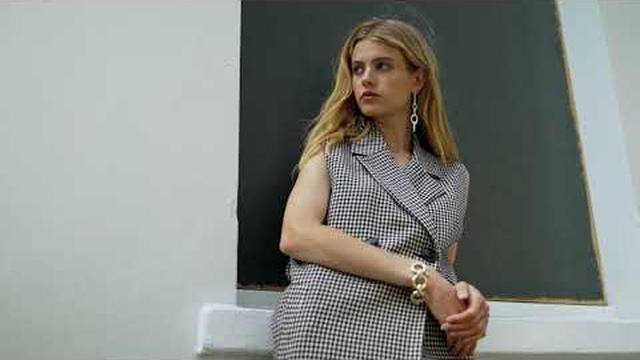
- The Staccato brief was to cover a full shoe range, from everyday to evening, with one model in natural light on London streets.
- On a commercial, the product shots are what the client is paying for, so write those rows before the mood shots.
- Once the list is done, re-sort it so you shoot everything in one spot before moving, and match each block to the light it needs.
Contents 8 sections
A shot list is the document that turns a brief into a day you can actually finish. It tells the director what to shoot next, tells the producer whether you're on time and tells the editor what every clip is for. This guide gives you a shot list template for a commercial shoot, explains each column, and shows how it plays out with real examples from a London footwear commercial for Staccato and a Code8 beauty campaign.
If it isn't on the shot list, it's a hope, not a plan.
What a shot list does on a commercial
On a commercial shoot the hours are fixed, the talent is booked for a set time and the client expects a list of deliverables at the end. A shot list is how you make sure those three things meet. Without one, the day drifts towards the shots that are easy or pretty, and the product detail the client actually needed is the thing that gets missed at golden hour.
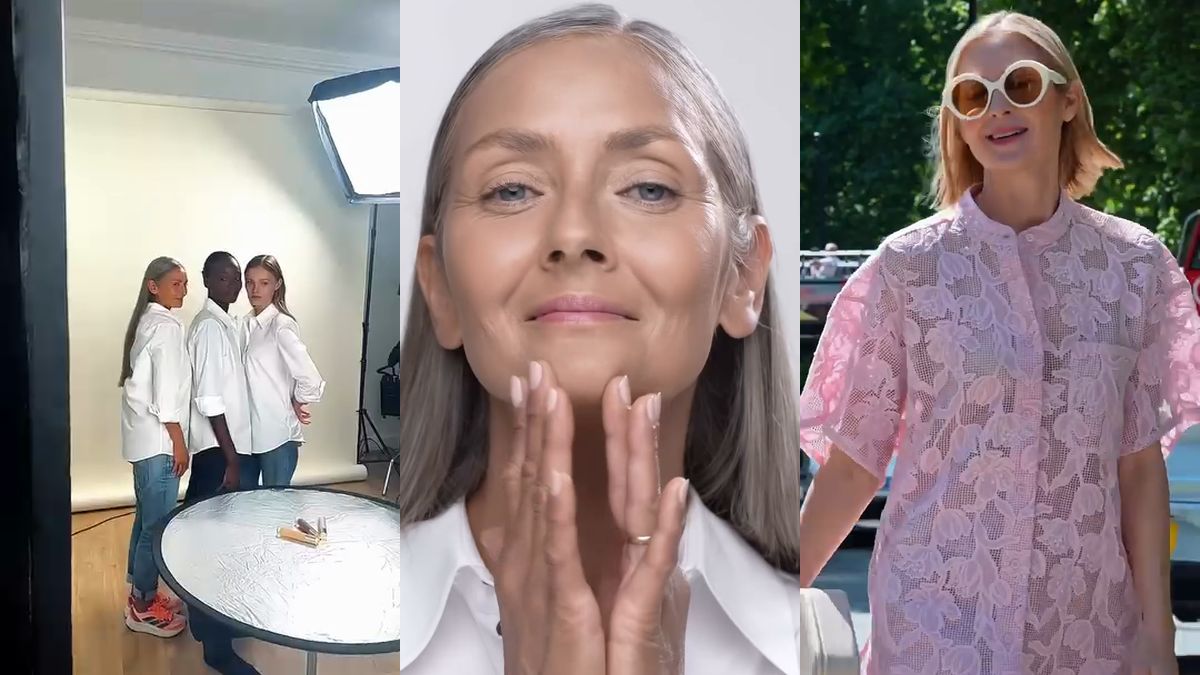
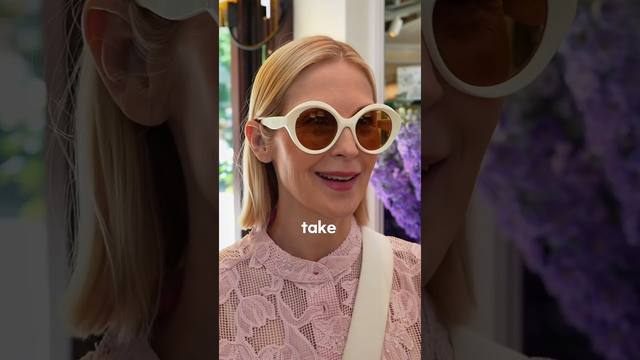
The Code8 campaign with Kelly Rutherford is a good example of the payoff. The project notes say it was filmed in a hotel in London in three hours, lit with one Aputure 300D, and edited in one day. The behind-the-scenes Short opens on the planning: a visual deck with reference frames for each scene and a shot list with the shot size and location written against every line. That is what makes three hours enough. Nobody stands around deciding what to film next, and the editor knows what each clip is for. The full breakdown is in the Code8 behind the scenes vs final case study.
The columns every commercial shot list needs
You can build this in a spreadsheet, a doc or a shared slide deck. What matters is that every row is one shot and every column answers a question someone will ask on the day.
| Column | What goes in it | Who uses it |
|---|---|---|
| No. | Shot number, grouped by sequence (for example 3.1, 3.2, 3.3) | Everyone, the editor most |
| Sequence / scene | Where in the story it sits: "arrival", "the walk", "the product" | Director, editor |
| Location | The exact spot, not just the venue: "bar, window seat" | Producer, camera |
| Look / product | Which outfit, shade or product is in shot | Stylist, client |
| Description | One line of action: what happens in the frame | Director, talent |
| Shot size | Wide, mid, close-up, detail, insert | Camera |
| Move | Static, gimbal walk, push in, tilt, slow motion | Camera, grip |
| Format | 16:9, 9:16, or both; still or video | Camera, editor, social team |
| Reference | A thumbnail or link from the moodboard | Everyone |
| Priority | A (must have), B (should have), C (if time) | Director, producer |
| Done | Tick, take number, notes | Script supervisor or assistant, editor |
The priority column is the one most people skip and the one that saves the day. When the light goes or the talent runs late, you drop the C shots without discussion and protect the A list.
One sequence, three shot sizes
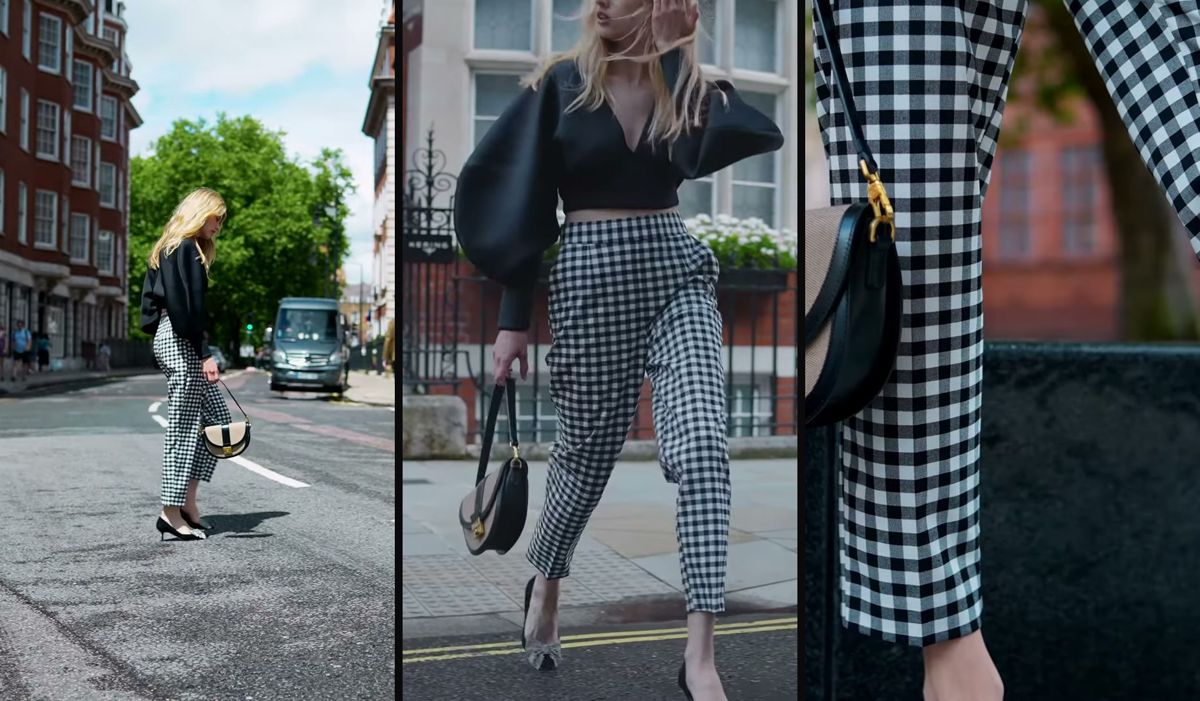
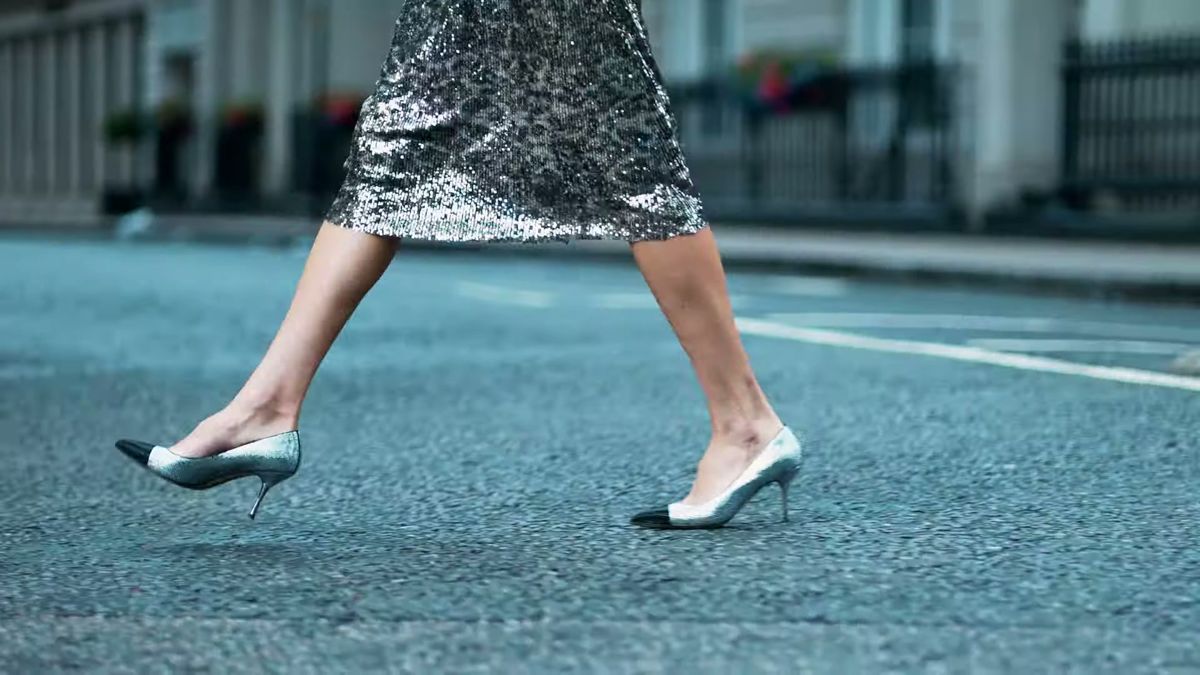
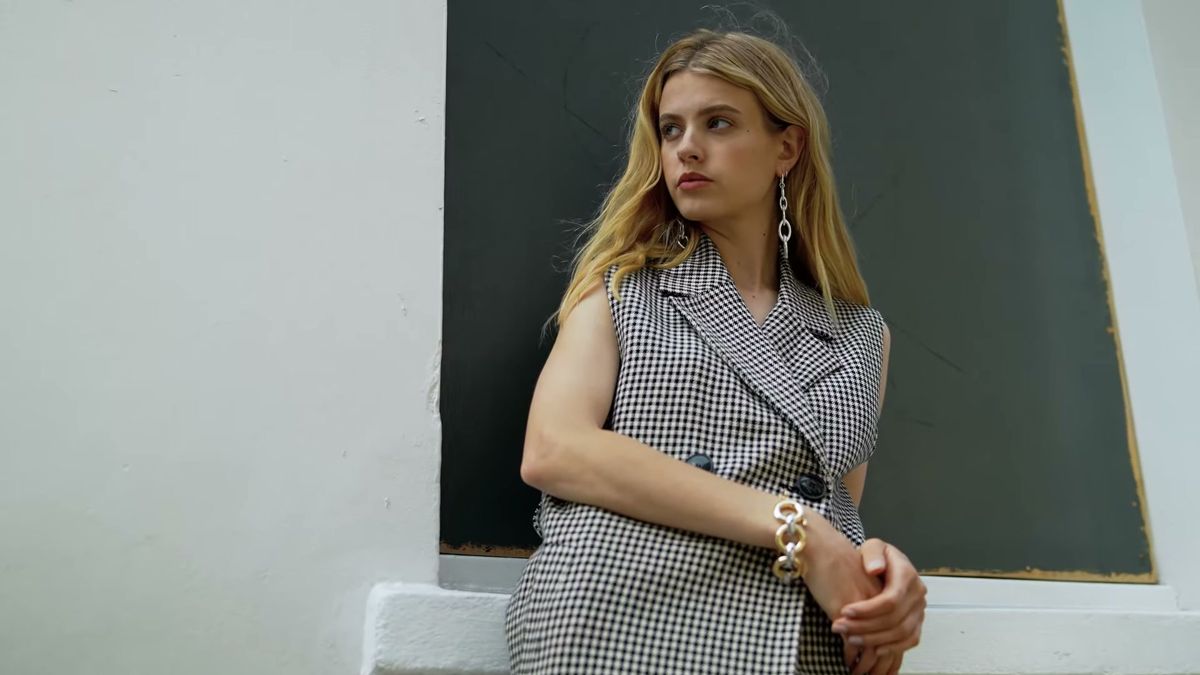
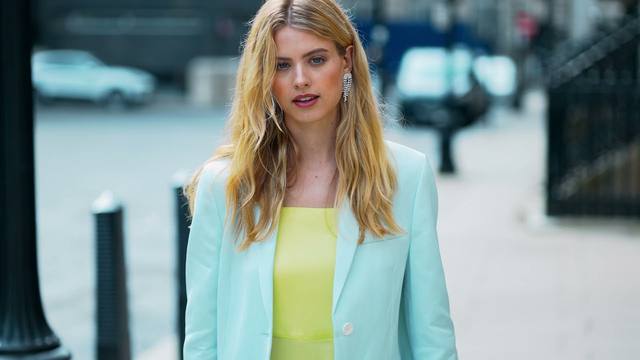
The Staccato brief was to cover a full shoe range, from everyday to evening, with one model in natural light on London streets. For a range like that, the trick is to give every look the same set of rows, so nothing is forgotten and the edit has the same choices for each product. Here is how one look could be written:
| No. | Description | Size | Move | Pri. |
|---|---|---|---|---|
| 4.1 | Model crosses the street, location visible both sides | Wide | Static, low | A |
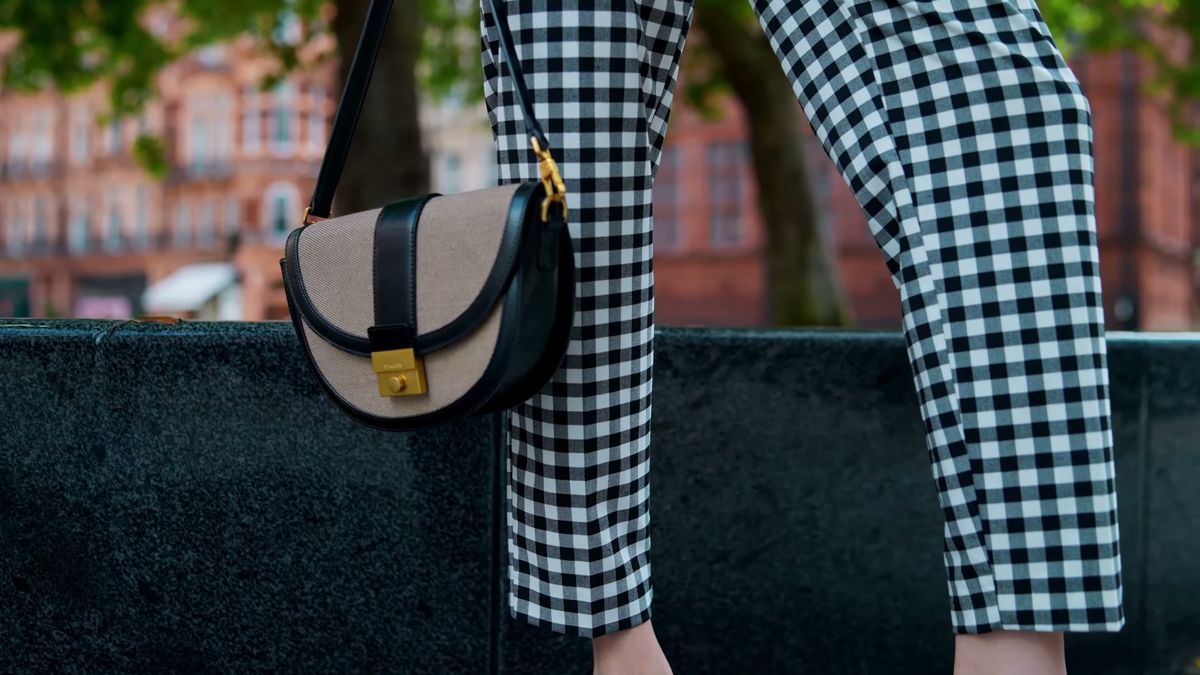
| 4.2 | Walk past railings, trousers and shoes in frame | Mid | Gimbal, tracking | A |
| 4.3 | Bag swings at the hip on the step | Detail | Static, low | A |
| 4.4 | Shoe lands on the pavement, side on | Detail | Static, ground level | A |
| 4.5 | Model pauses, looks off camera | Mid close | Slow push in | B |
| 4.6 | Same walk in 9:16 for social | Mid | Gimbal | B |
Write the description as an action, not an adjective. "Bag swings at the hip on the step" tells the model what to do and the camera where to be. "Elegant bag moment" tells nobody anything. For the camera side of shoe films, including why most of the useful angles are at ground level, see the Staccato footwear commercial case study.
Write the product rows first
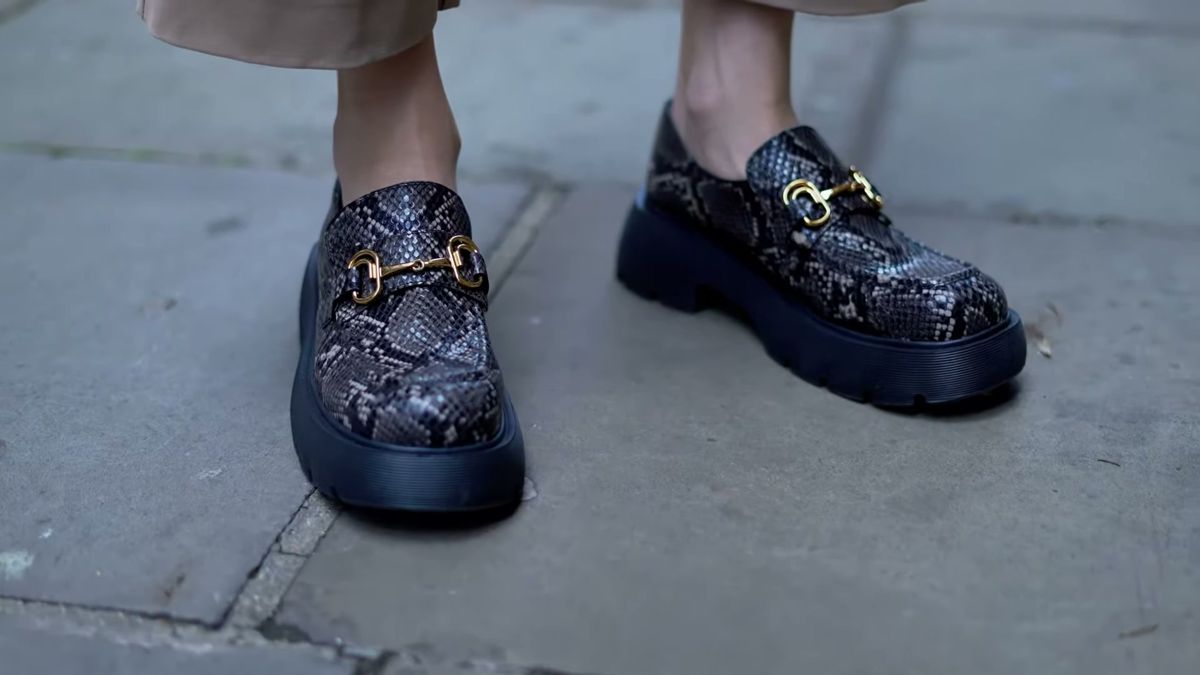
On a commercial, the product shots are what the client is paying for, so write those rows before the mood shots. For each product, list the detail that sells it (material, hardware, texture, the logo if it matters) and the shot that shows it in use. Then build the lifestyle shots around them.
One product, one hero detail
Pick the single feature that makes it worth buying and give it its own row, static and close.
Show it in use
A product in motion, worn or applied, sells better than one sitting still. Write a separate row for that.
Inserts are cheap, missing them is not
Hands, clasps, a step, a swatch. They take minutes to shoot and are hard to fake later.
Match the claims
If the ad will say "long-lasting" or "waterproof", the shot list needs a row that shows it.

Order the list by location and light, not by story
The shot list is written in story order. The shooting order is something else. Once the list is done, re-sort it so you shoot everything in one spot before moving, and match each block to the light it needs.
1. Group rows by location, then by look. Every move and every outfit change costs time.
2. Put the A-priority product shots early, while talent, light and energy are fresh.
3. Schedule anything that can't be undone (water, wet hair, smudged makeup) last.
4. Add a time against each block and check it against the call sheet. If the total doesn't fit, cut C rows now, not at four o'clock.
5. Leave a short buffer before each location move and before the last light.
In a London street shoot, also note which rows need a quiet road or a clean bit of pavement, because those depend on timing. The permits and rules for filming on London streets are in shooting a commercial in London, and if the same shoot has to feed social, the vertical-first guide explains how to plan 9:16 and 16:9 together.
A shot list template to paste into your sheet
Header: project, client, date, call time, location(s), director, producer, camera, contact numbers.
Deliverables: hero film length, cutdowns, vertical versions, stills count.
Columns: No. · Sequence · Location · Look / product · Description · Shot size · Move · Format · Reference · Priority · Done / take / notes.
Rule 1: one row is one shot.
Rule 2: every product has at least one detail row and one in-use row.
Rule 3: every row has a priority.
Rule 4: the editor gets the list with the footage, with takes marked.
Start the shot list from your moodboard and treatment, and keep the numbering the same in both, so a reference image and a row always point at the same shot. For pre-production on bigger productions, the batch content shoot guide shows how to plan many short deliverables in one day.
The films behind the examples
Questions
What should be on a shot list for a commercial shoot?
One row per shot with a number, sequence, location, look or product, a one-line description, shot size, camera move, format, a reference image, a priority and a column to tick it off with take notes.
How do you write a shot list?
Start from the brief and moodboard, write the product shots first, then the lifestyle and story shots. Describe each shot as an action, give it a size and a priority, then re-sort the list into shooting order by location and light.
What is the difference between a shot list and a call sheet?
The shot list says what will be filmed or photographed. The call sheet says who needs to be where and when: call times, address, contacts, weather and safety notes. Most shoots need both.
How many shots can you get in a day?
It depends on moves, looks and set-ups more than shots. Count location moves and outfit changes, give each block a time, and use A, B and C priorities so the must-have shots are protected if the day runs long.
Work with SwainUK
Planning a shoot like this?
Commercial film and photography in London and Dubai: concept, crew, lighting, shoot and edit, from one team.