London · Guide for filmmakers, photographers and brands
Sony FX3 for Commercial Video: Settings, Rigging and When to Choose It, With a Real Celine Shoot
Why the Sony FX3 is the small cinema camera on so many commercial sets, how to set it up and rig it light, and the jobs where another camera is the better call.
- Words and camera
- Joshua Swain
- Published
- Reading time
- 7 min
- Filed under
- Guide
In brief
- It has a full-frame sensor in a body built for video: no viewfinder, a fan for long takes, and a top handle with professional audio inputs.
- On fashion and beauty work that shows in the face long before it shows in the specs.
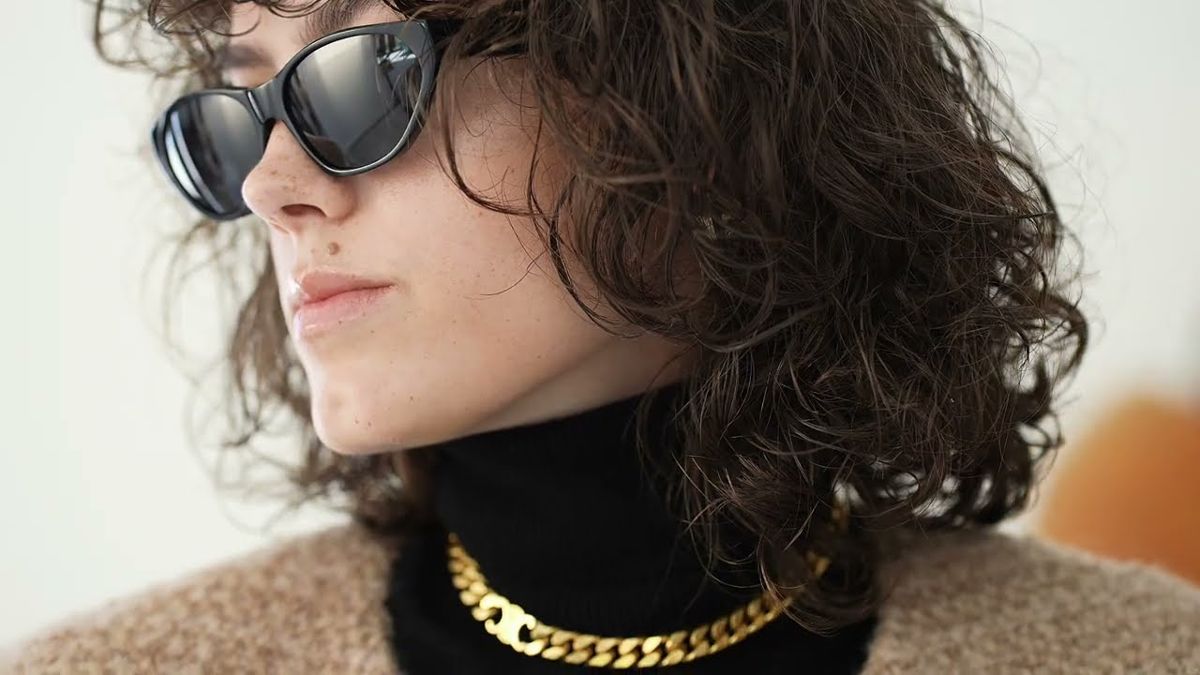
- The Celine Winter '22 "Dans Paris" film was made in Dubai for Savoir Flair, with Esrasam as photographer and editor and make-up by Diana Tin.
- Most FX3 problems on commercial jobs are settings problems, found in the edit.
- This is the Celine build, and it is enough for most fashion and beauty work.
Contents 9 sections
The Sony FX3 has become the default small cinema camera on commercial shoots: brand films, fashion, beauty, podcasts and social content. This guide explains what the camera actually does well, the settings worth getting right before the first take, how to rig it without turning it into a heavy cinema build, and the jobs where another camera is the better choice. The worked example is a real commercial shot on one: the Celine Winter '22 film, filmed handheld on an FX3 with an 85mm lens.
The FX3 is small enough to forget about. That is exactly why it works on a commercial set.
What the Sony FX3 is, in one table
The FX3 is the smallest camera in Sony's Cinema Line. It has a full-frame sensor in a body built for video: no viewfinder, a fan for long takes, and a top handle with professional audio inputs. These are the numbers that matter on a commercial job, as Sony states them.
| Feature | What Sony says | Why it matters on set |
|---|---|---|
| Sensor | Full-frame back-illuminated sensor, 10.2 megapixels for video, 12.1 for stills | Shallow depth of field and clean low light. Not a stills camera |
| Dynamic range | 15+ stops | Windows, white walls and skin in the same frame without clipping |
| Frame rates | 4K at up to 120fps, 4K 60p in 10-bit 4:2:2 | Slow motion for product, hair and fabric without a second camera |
| Look | S-Cinetone, inspired by Sony VENICE colour science, plus S-Log3 | A finished look straight out of camera, or log for a full grade |
| Base ISO | 800 and 12,800 in the Cine EI modes added in firmware 2.0 | Two clean starting points: daylight sets and night or dim interiors |
| Cooling | A fan for uninterrupted 4K 60p recording without thermal shutdown | Interviews, podcasts and long takes in hot rooms |
| Audio | Detachable XLR handle with two XLR/TRS inputs | Clean sound into the camera without a separate recorder |
| Size | 715g with battery and card | Handheld all day, small gimbals, tight corners |
Four reasons it keeps getting booked
It disappears
Talent relaxes around a small camera. On fashion and beauty work that shows in the face long before it shows in the specs.
It goes anywhere
Handheld, on a light gimbal, on a slider or clamped in a car. One body covers moves that used to need three rigs.
It matches the big cameras
S-Cinetone and S-Log3 are shared across the Cinema Line, so FX3 footage sits comfortably next to larger Sony cameras in one grade.
It handles long days
The fan, the XLR handle and the tally lamps front and back make it behave like a professional camera, not a stills body shooting video.
None of that makes a film look expensive on its own. What it does is remove friction, so the time on set goes into light, styling and performance. That trade-off is the whole argument for a small cinema camera, and it is the argument the Celine film makes.
Celine Winter '22: one FX3, one lens, two lights


The same body and lens for the full look and the product detail.
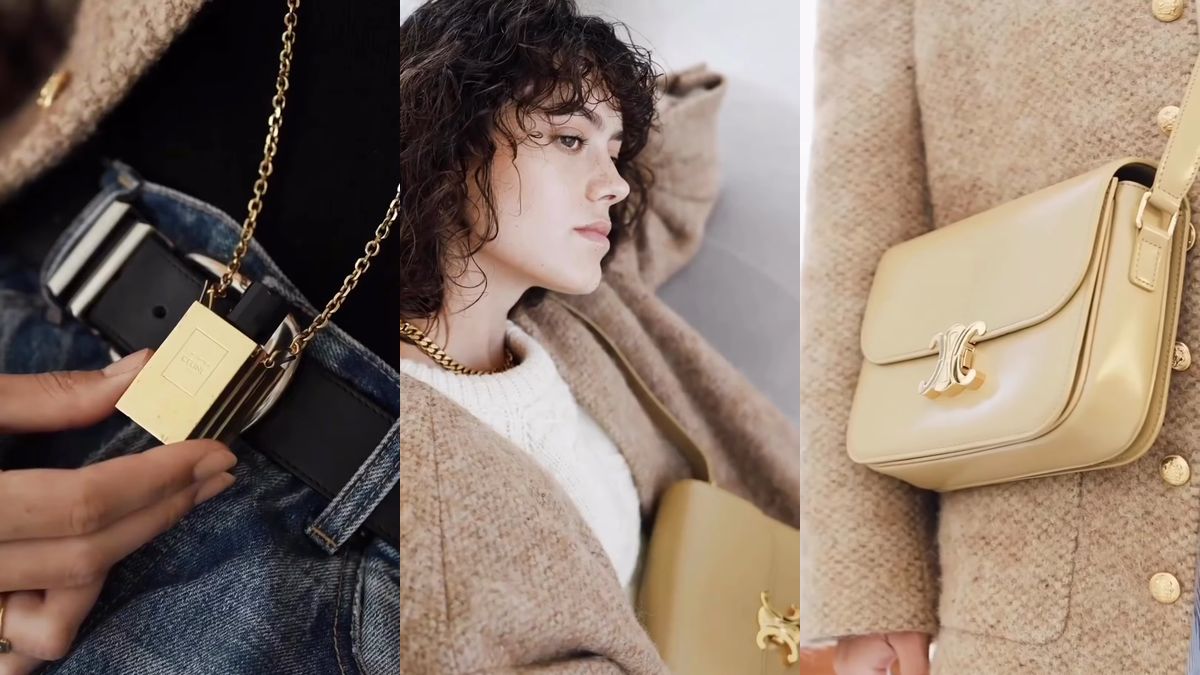
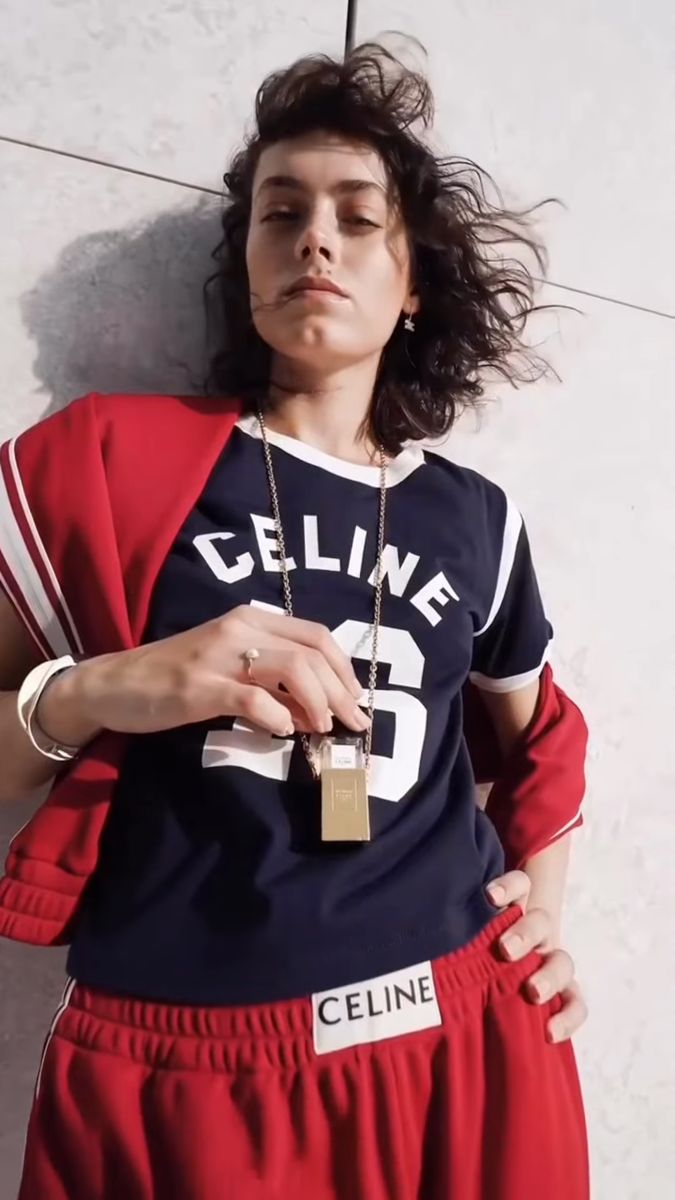
The Celine Winter '22 "Dans Paris" film was made in Dubai for Savoir Flair, with Esrasam as photographer and editor and make-up by Diana Tin. The project notes list the whole kit in three lines: a Sony FX3 with an 85mm lens, handheld, and two Aputure 300D lights with double diffusion. The line underneath sums up the approach: "Clean + minimal setup, big production result."
Look at what the camera is asked to do in under 20 seconds of vertical film: a full look against a pale wall, a tight detail of a belt bag, a close-up of the face under a knitted cap, gold chains on bouclé. On a bigger rig you would change lenses or swap to a macro for the details. With a small body and an 85mm you just step in. The 85mm gives a flattering, compressed perspective on faces and enough reach to isolate a bag or a tag without crowding the model, and handheld keeps every shot alive.


Skin and texture under two diffused 300Ds: the dynamic range keeps the pale wall and the black knit in one exposure.
The lighting side of this shoot, including how double diffusion works, is broken down in the Celine minimal lighting case study. The camera lesson is simpler: a small body is only an advantage if you keep it small. The moment it is buried in a cage, matte box, monitor and follow focus, you have a heavy camera with a small sensor's handling and none of the speed.
Set it up before the client arrives
Most FX3 problems on commercial jobs are settings problems, found in the edit. Agree these before the first take and write them on the call sheet.
1. Look: S-Cinetone or S-Log3. S-Cinetone when the edit is fast and the grade is light, such as social cutdowns and same-day selects. S-Log3 when the film is graded properly or has to match other cameras. Don't mix the two on one job.
2. Exposure in log. Use Cine EI or Cine EI Quick, which work from the base ISOs of 800 and 12,800. Load a viewing LUT so the client monitor looks finished while the camera records flat.
3. Frame rate. Pick the project rate first (25p is common for UK delivery, 24p for a filmic feel) and keep it. Shoot slow motion at a clean multiple: 50p or 100p for a 25p timeline.
4. Shutter. Around double the frame rate for natural motion blur. Faster shutters make fabric and hair look jittery.
5. ND. There is no built-in ND filter, so carry a variable ND for daylight exteriors. Otherwise you end up stopping down and losing the shallow depth of field you chose the camera for.
6. White balance. Set it in Kelvin and lock it. Auto white balance shifting between shots is the fastest way to ruin skin tones across a sequence.
7. Codec. 10-bit 4:2:2 for anything that will be graded. 8-bit leaves too little room once you push skin or sky.
For how to keep skin right from camera to grade, see colour grading skin tones.
Keep the build light
Handheld kit
Body, top handle, one prime and a variable ND. This is the Celine build, and it is enough for most fashion and beauty work.
Interview and podcast kit
Body on a tripod, XLR handle with two microphones, a fixed white balance and a long record time. The fan earns its keep here.
Multicam
Same model on every angle so the colour matches: a wide and a single on each person.
Timecode
Since firmware 2.0 the FX3 accepts timecode with a dedicated adaptor cable. Worth it on long multicam days; a clap at the start still works for short ones.
When the FX3 isn't the right camera
A good crew picks the camera for the job rather than the job for the camera. These are the calls made on real SwainUK projects.
| The job | Camera used | Why |
|---|---|---|
| Fashion film, small clean set, handheld | Sony FX3 + 85mm (Celine Winter '22) | Small, fast, flattering, cinema colour |
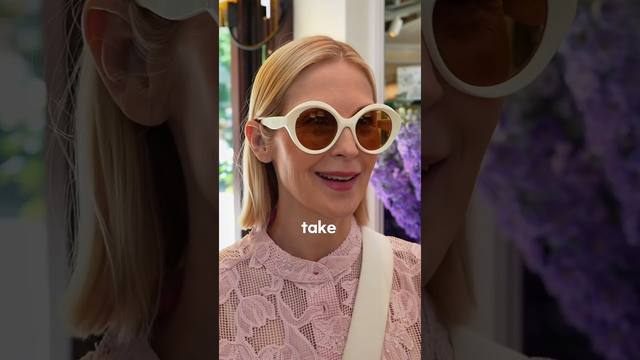
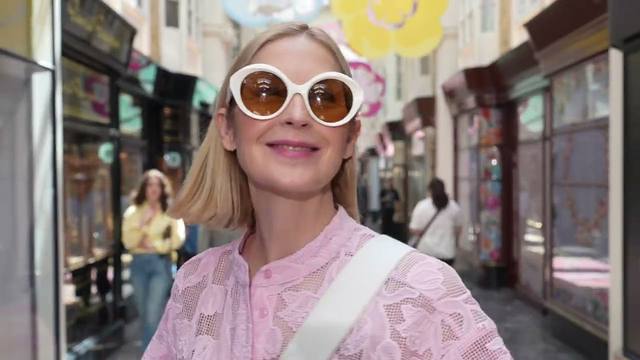
| Beauty campaign on a gimbal across hotel rooms, three hours | Sony A9 Mark III + 28-70mm f2 on a DJI RS4 Pro (Kelly Rutherford x Code8) | A zoom on a gimbal avoids rebalancing between lens changes |
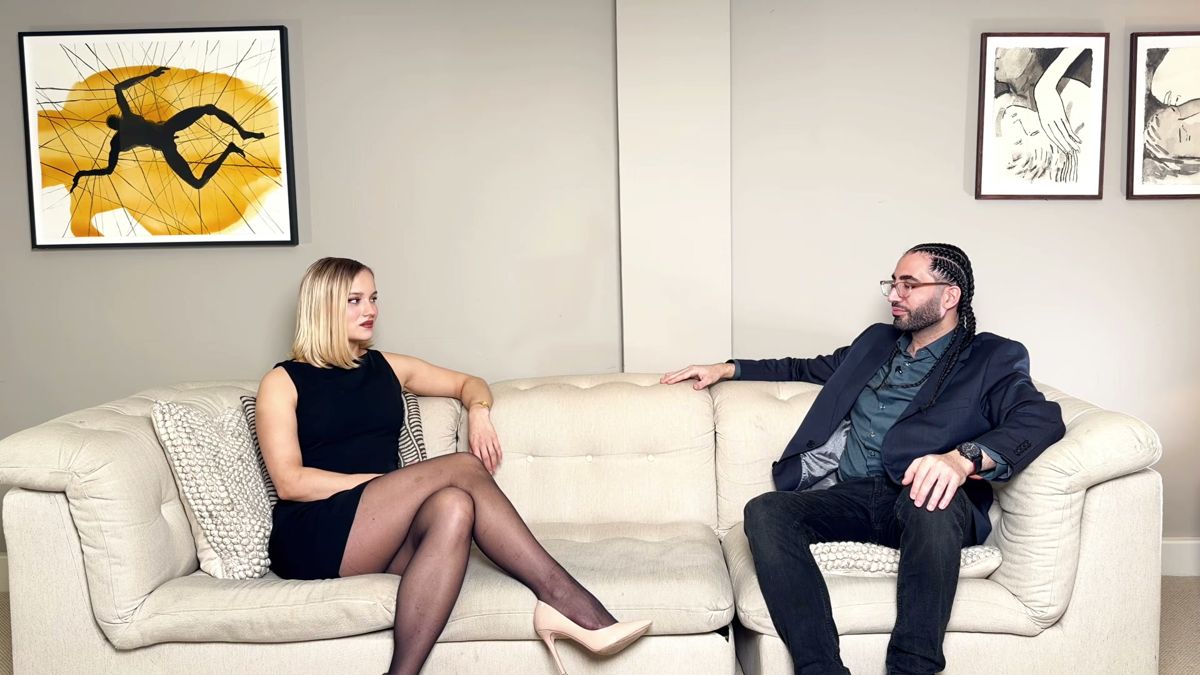
| Three-camera podcast | Three Sony FX3s | Matching colour, long takes, XLR audio |
| Ten paid social ads | iPhone 17 Pro kit (IBV Gold) | Native vertical, fast turnaround, a phone-shot feel the platform rewards |
Two more honest limits. If the brief needs high-resolution stills from the same camera, the FX3's 12 megapixels won't do it: book a stills body or a photographer. And if the job is a single locked-off interview, almost any good camera will do; the FX3's strengths show when the camera has to move. The Code8 gimbal shoot is covered in the Code8 behind the scenes case study, and the phone-shot campaign in shooting paid ads on an iPhone 17 Pro.
Films from the examples

Questions
Is the Sony FX3 good for commercial video?
Yes, for most brand, fashion, beauty and social work. It is small enough to shoot handheld all day, records 4K up to 120fps and 10-bit 4:2:2, has S-Cinetone and S-Log3, a cooling fan for long takes and an XLR handle for sound. The Celine Winter '22 film was shot handheld on one with an 85mm lens.
Should I shoot S-Cinetone or S-Log3 on the FX3?
S-Cinetone when you need a finished look quickly with a light grade, such as social cutdowns. S-Log3 when the film will be graded properly or matched to other cameras. Pick one per project and stick to it.
What lens should I use on a Sony FX3 for fashion?
An 85mm is a strong single-lens choice: flattering on faces, tight enough for details, and light enough to keep the camera handheld. A 28-70mm zoom suits gimbal work where you can't stop to change lenses.
Does the Sony FX3 have built-in ND filters?
No. Carry a variable ND for daylight exteriors so you can keep a wide aperture and a natural shutter speed.
Sources
Work with SwainUK
Planning a shoot like this?
Commercial film and photography in London and Dubai: concept, crew, lighting, shoot and edit, from one team.