London · FPV and drone review
DJI Avata 360 Review: What Flying in 360 Changes for Filmmakers
We flew the Avata 360 in June 2026 and spent longer in the edit than in the air. Here's what 360 capture gives a filmmaker, what it costs, and when we still pick the Avata 2.
- Words and camera
- Joshua Swain
- Published
- Reading time
- 4 min
- Filed under
- FPV and Drone
In brief
- Flight time is measured in a wind tunnel at a steady speed, so a real flight with climbs and turns is shorter.
- A 360 file is a recording of everything, so the same few seconds can become a flat aerial, a top-down view, a "tiny planet" or a shot looking back at the pilot.
- We still prefer the Avata 2 for deliberate FPV lines, the dive or the low pass you plan and fly yourself, because there is nothing to reframe and the footage is ready straight away.
Contents 6 sections
“With a 360 drone you don't fly the shot. You fly the space, and find the shot later.”
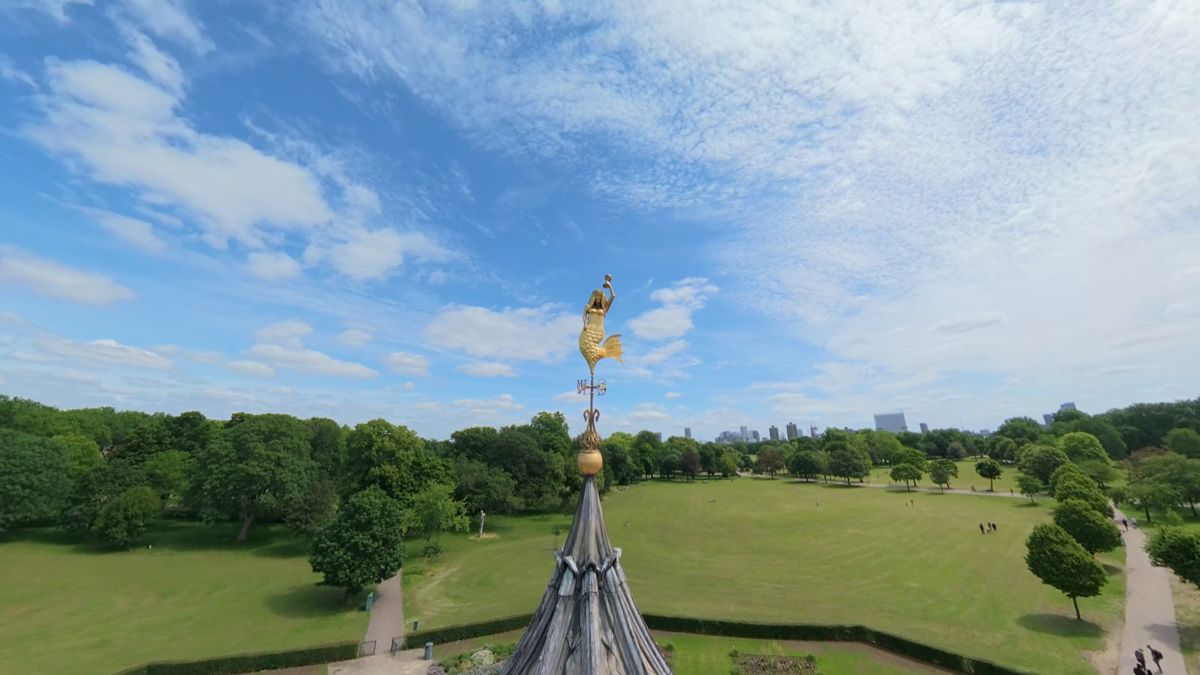
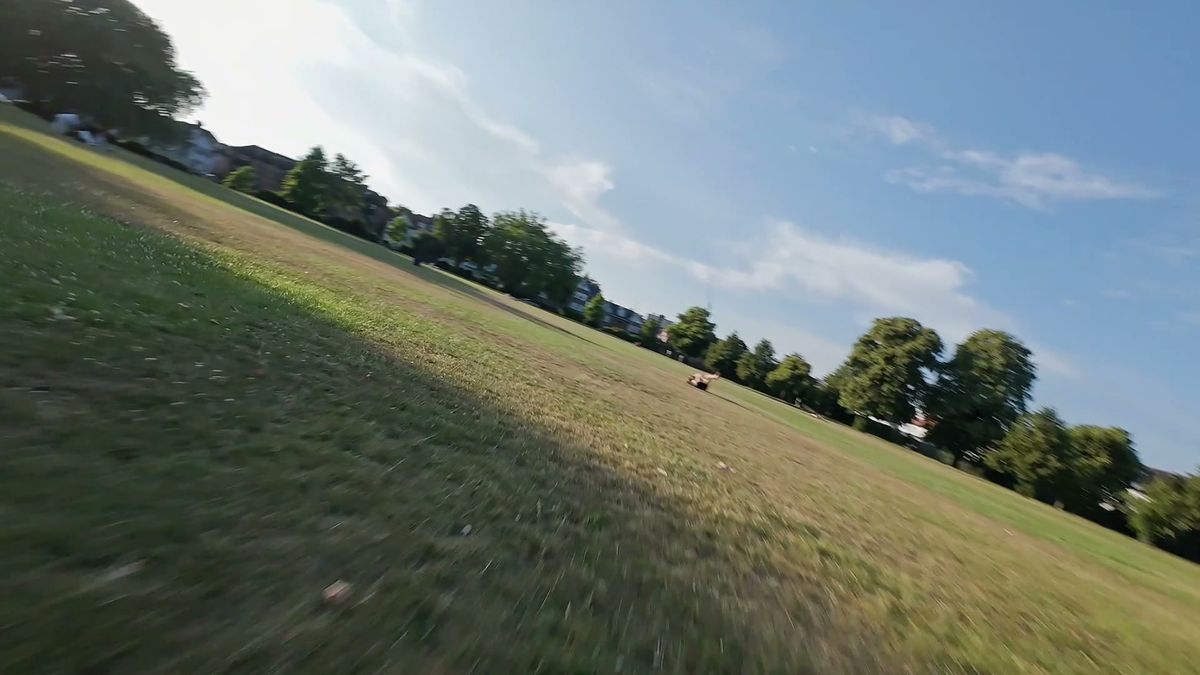
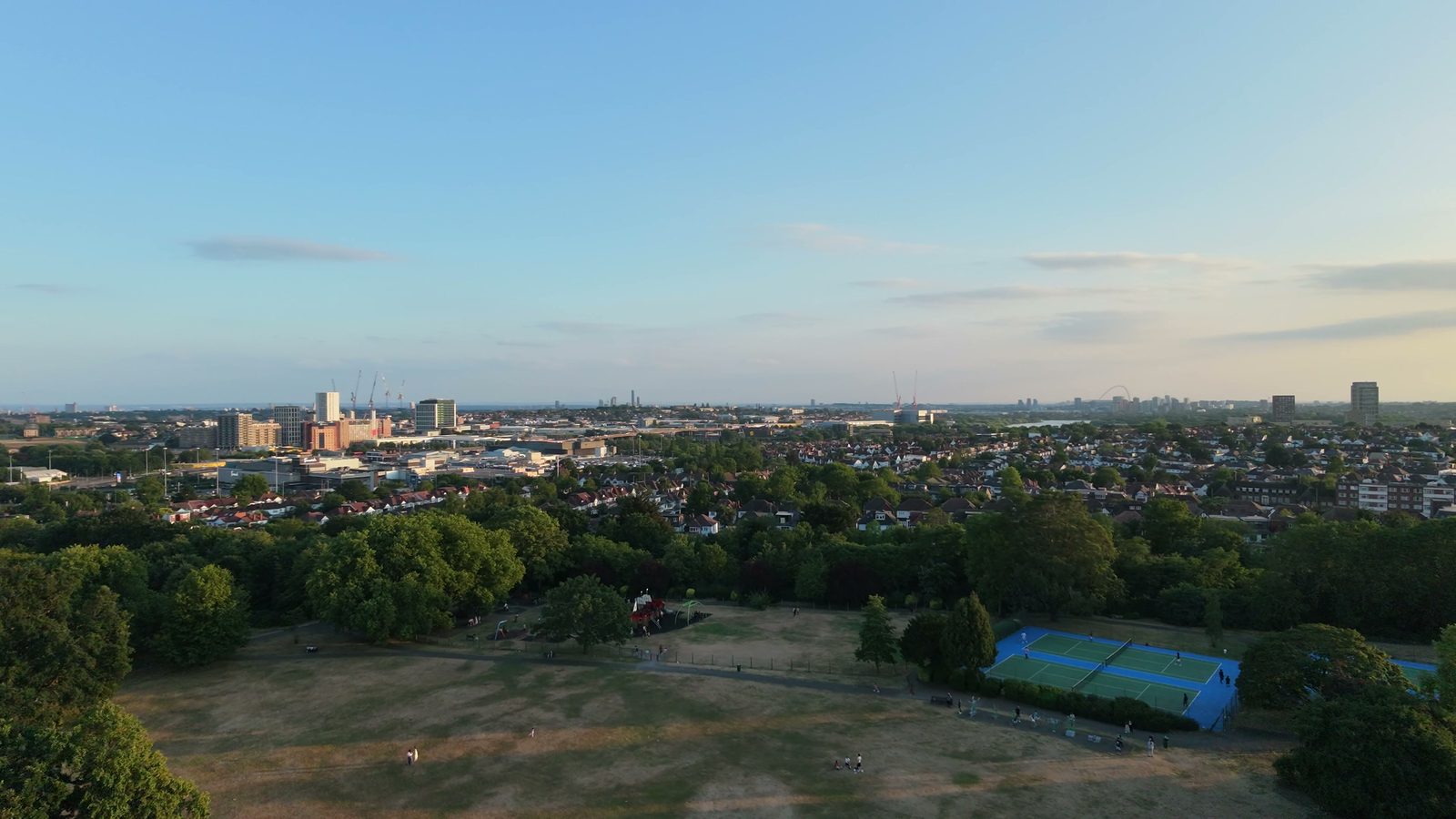
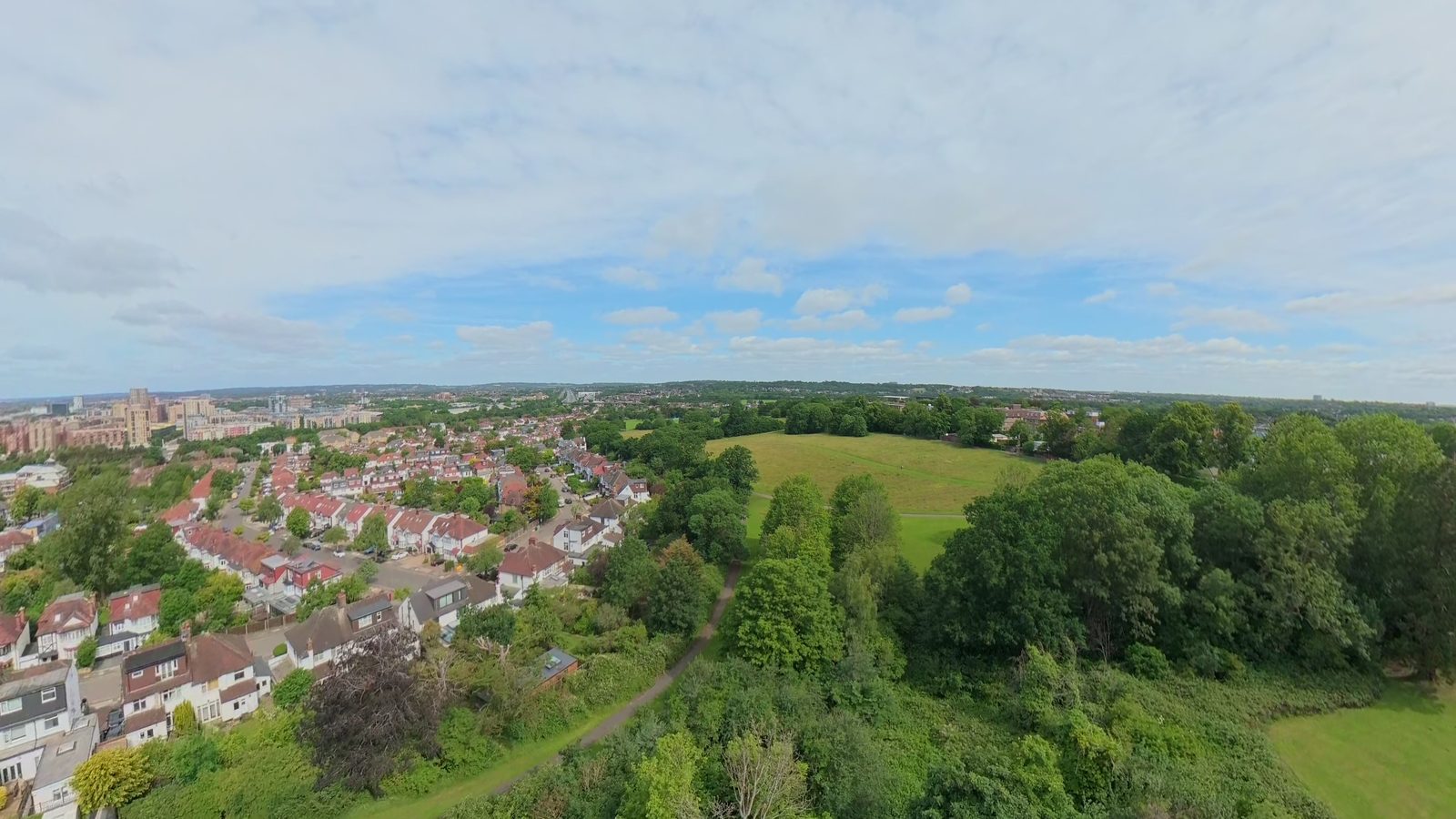
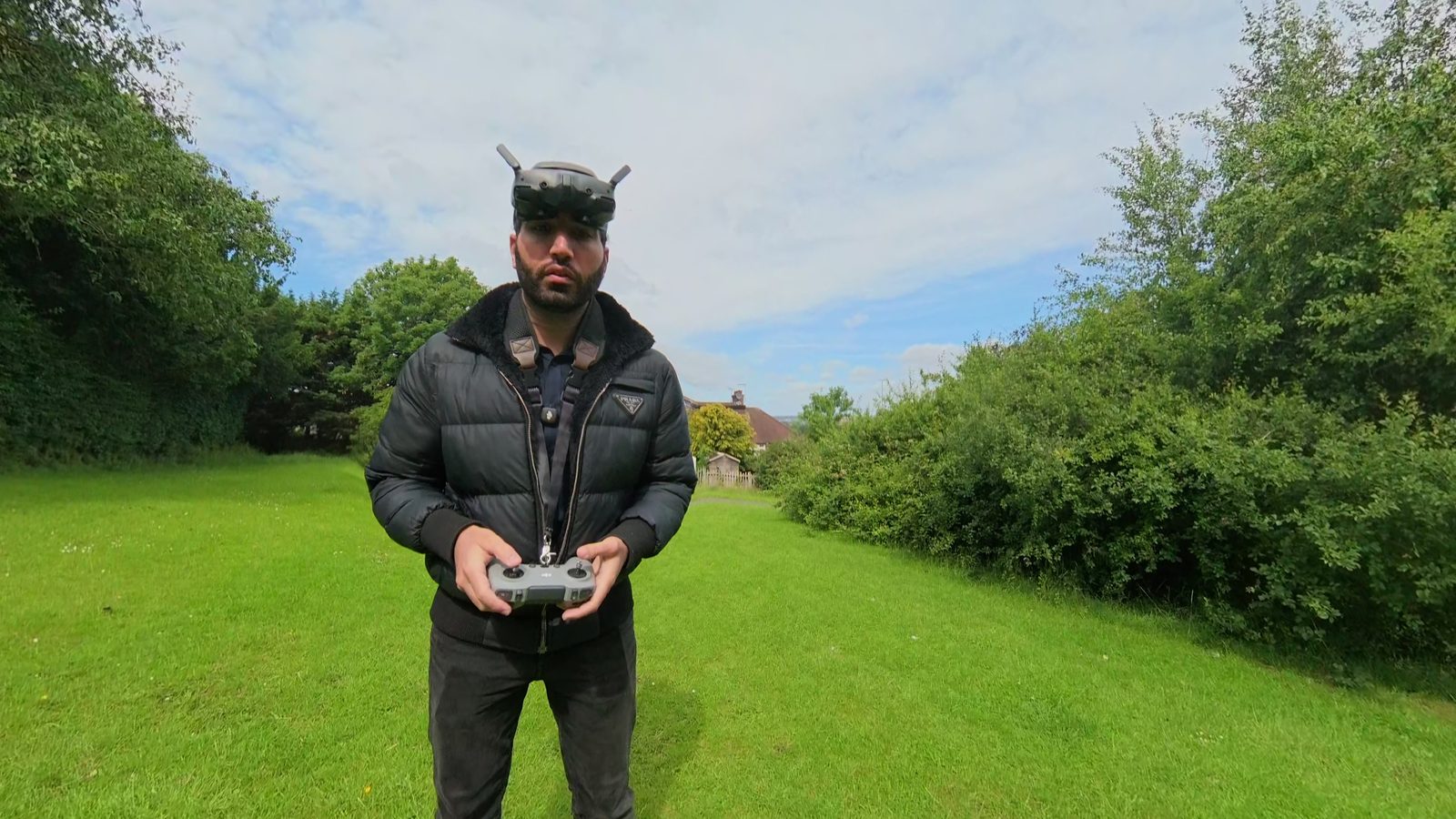
The DJI Avata 360 records the whole sphere around the drone, so the camera angle is chosen in the edit, not in the air. We flew ours over parkland and rooftops in London in June 2026 and then spent far longer reframing the footage than flying it. This review covers what 360 capture really gives a filmmaker, the specs that matter, the cost in weight, storage and edit time, and the jobs where we would still choose a normal FPV drone.
DJI Avata 360 specs that matter
These are DJI's figures. Flight time is measured in a wind tunnel at a steady speed, so a real flight with climbs and turns is shorter.
| Spec | DJI Avata 360 | What it means on a shoot |
|---|---|---|
| Weight | About 455g | Heavier than the Avata 2; a different UK category from sub-250g drones |
| Camera | Two 1/1.1-inch square sensors, 200° lenses | Large sensors for a 360 camera, so cleaner footage than most 360 cameras |
| 360 video | 8K and 6K at up to 60fps | Enough resolution to cut a usable flat frame out of the sphere |
| Single-lens video | 4K at up to 60fps; 2.7K at up to 120fps | It can also fly as a normal FPV camera |
| Colour | Normal and D-Log M | A flat profile you can grade to match a main camera |
| Bitrate | Up to 180 Mbps | Large files: bring big cards |
| Obstacle sensing | Omnidirectional vision, forward LiDAR, downward infrared | A safety net the Avata 2 doesn't have |
| Storage | 42GB internal plus microSD up to 1TB | Use the card for full days |
Avata 360 reframing: where the real work happens
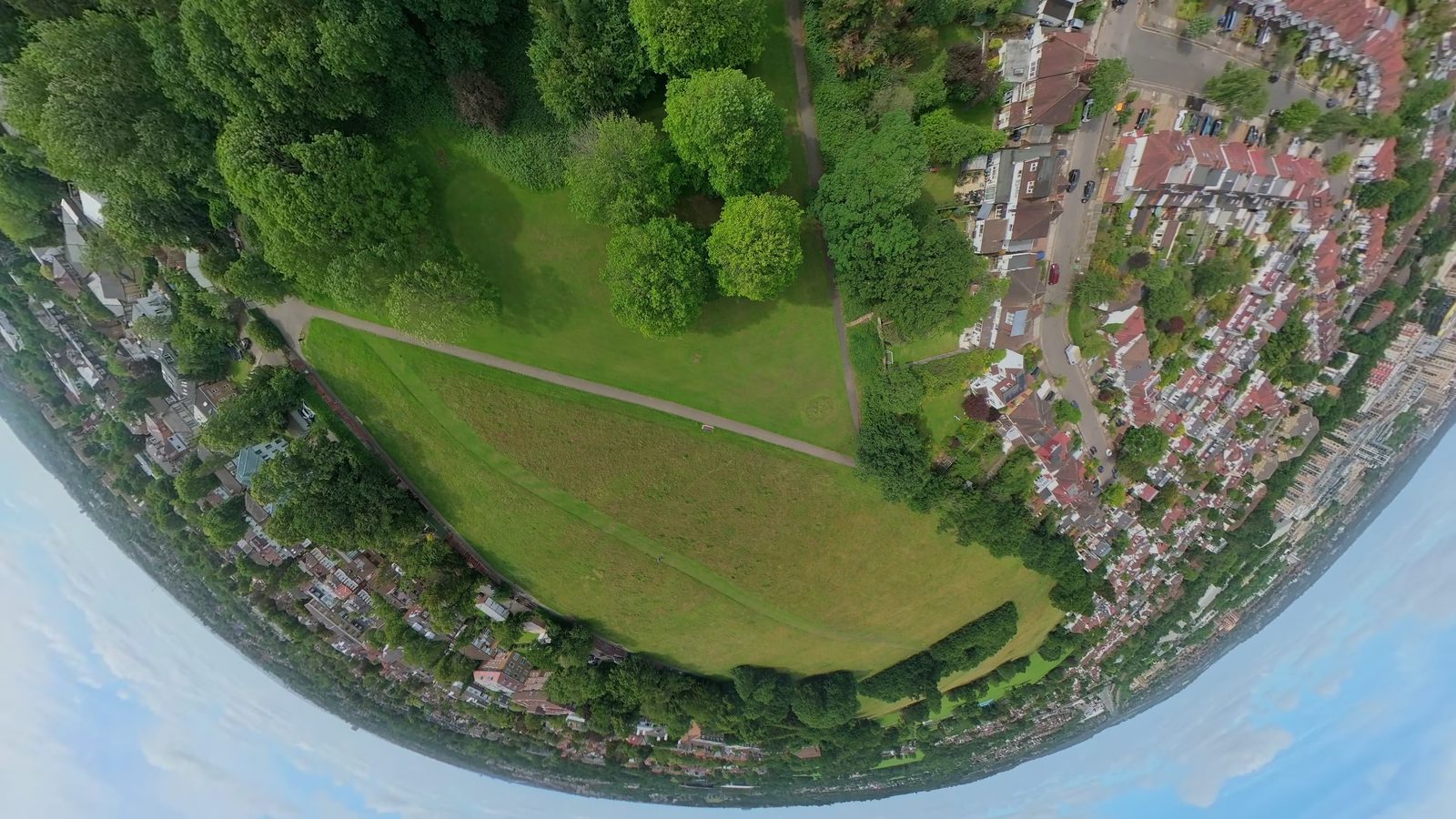
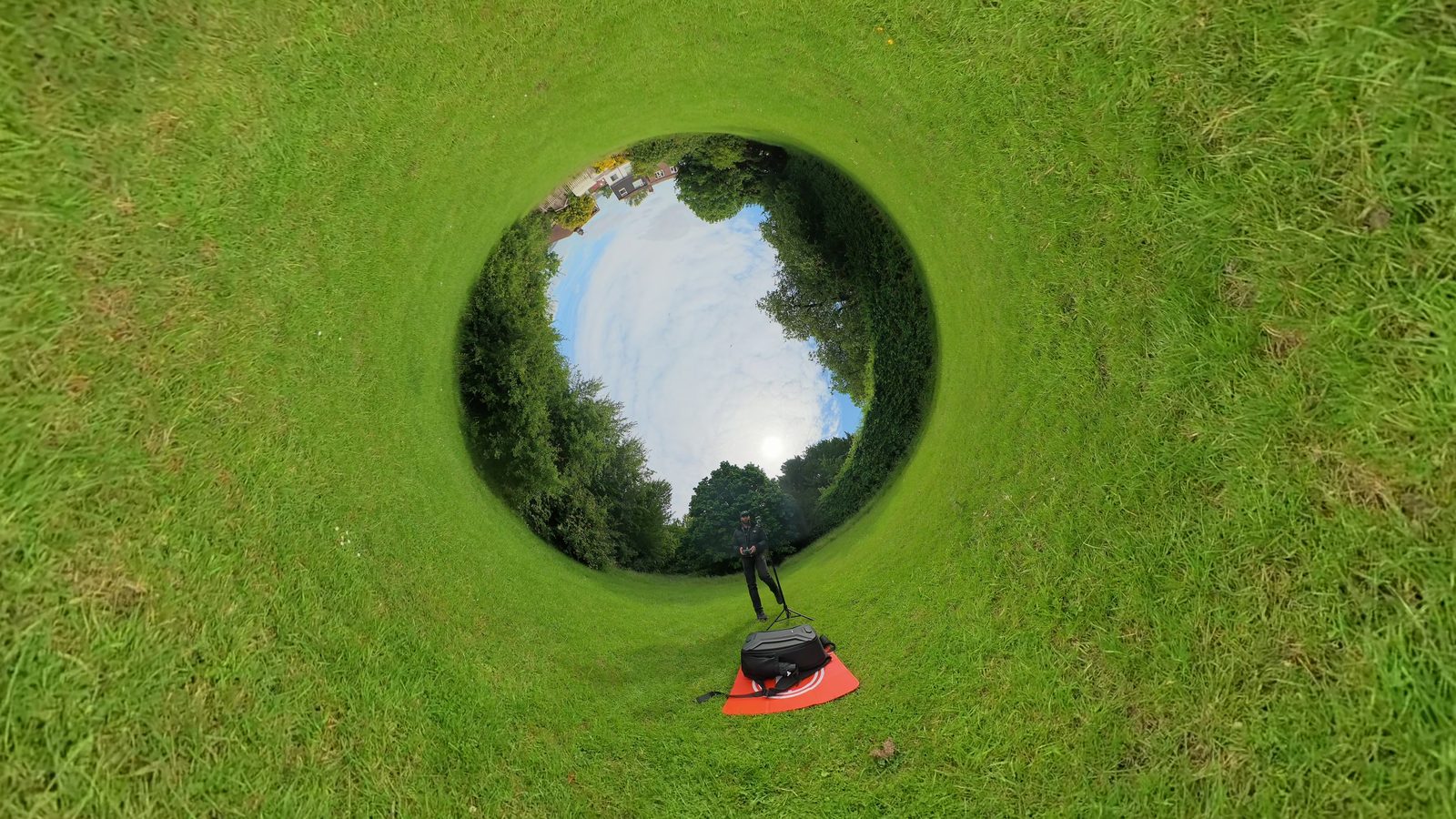
A 360 file is a recording of everything, so the same few seconds can become a flat aerial, a top-down view, a "tiny planet" or a shot looking back at the pilot. That is the Avata 360's biggest strength. You fly a simple, safe path and choose the most interesting angle afterwards, including angles no single camera could have pointed at during the flight.
It is also the biggest cost. Every flight needs reframing before it is usable, and an 8K sphere is heavy to edit. A flat frame cut from the sphere uses only part of that 8K, so a wide reframe looks softer than a native 4K shot from a normal drone. Test your reframed shot at the size you will deliver before you promise it to a client.
Is the Avata 360 good for filmmakers?
For some jobs it is the best tool we have. For others it is the wrong one. We still prefer the Avata 2 for deliberate FPV lines, the dive or the low pass you plan and fly yourself, because there is nothing to reframe and the footage is ready straight away.
| The job | Avata 360? | Why |
|---|---|---|
| Venue or event fly-through where the best angle is unknown | Yes | Choose the angle later; nothing is missed |
| Creative effects for social: tiny planets, flips, reveals | Yes | Only possible with 360 capture |
| A planned brand-film FPV line | Usually no | The Avata 2 gives a sharper, finished shot in camera |
| Wide landscape aerials in the best quality | No | A camera drone holds detail and dynamic range better |
Our Avata 2 vs Avata 360 vs Neo comparison puts all three side by side, and the FPV for brands and fashion guide shows the kind of commercial shots each one makes. All of these drones weigh over 100g with a camera, so in the UK you need a Flyer ID and an Operator ID; the drone rules guide explains the rest.
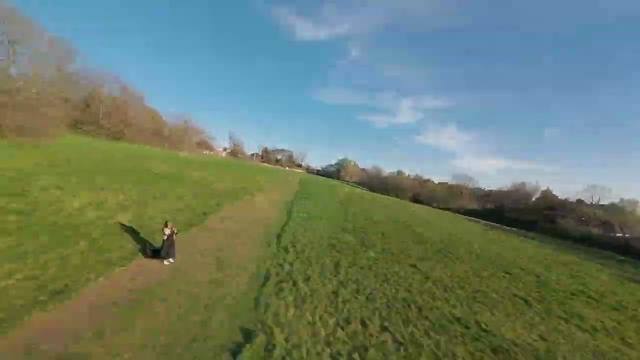
The Avata 360 on the channel
Questions
Is the DJI Avata 360 worth it?
If you film venues, events or social content where you want to choose the angle afterwards, yes. If most of your work is planned FPV lines for brand films, the Avata 2 gives finished shots with less editing.
What resolution does the Avata 360 record?
DJI lists 360 video in 8K and 6K at up to 60fps, and single-lens video in 4K at up to 60fps or 2.7K at up to 120fps.
Does the Avata 360 have D-Log M?
Yes. DJI lists Normal and D-Log M colour modes, so you can grade it to match other cameras on a shoot.
Does the Avata 360 have obstacle avoidance?
Yes. It has omnidirectional vision sensing, a forward LiDAR and a downward infrared sensor, which the Avata 2 does not have.
Is reframed 360 footage as sharp as normal 4K?
No. A flat frame cut from the 8K sphere uses only part of it, so a wide reframe is softer than native 4K. Test the reframed shot at your delivery size.
Sources
Work with SwainUK
Need FPV or drone footage?
FPV and drone filming for brands, events and property in London and Dubai, flown by the same team that shoots and edits the film.