Editorial Fashion Cinematography: The Art of Visual Storytelling in London's Fashion Scene
Discover how editorial fashion cinematography transforms luxury brands through compelling visual narratives. Expert insights from London's leading commercial cinematographer.
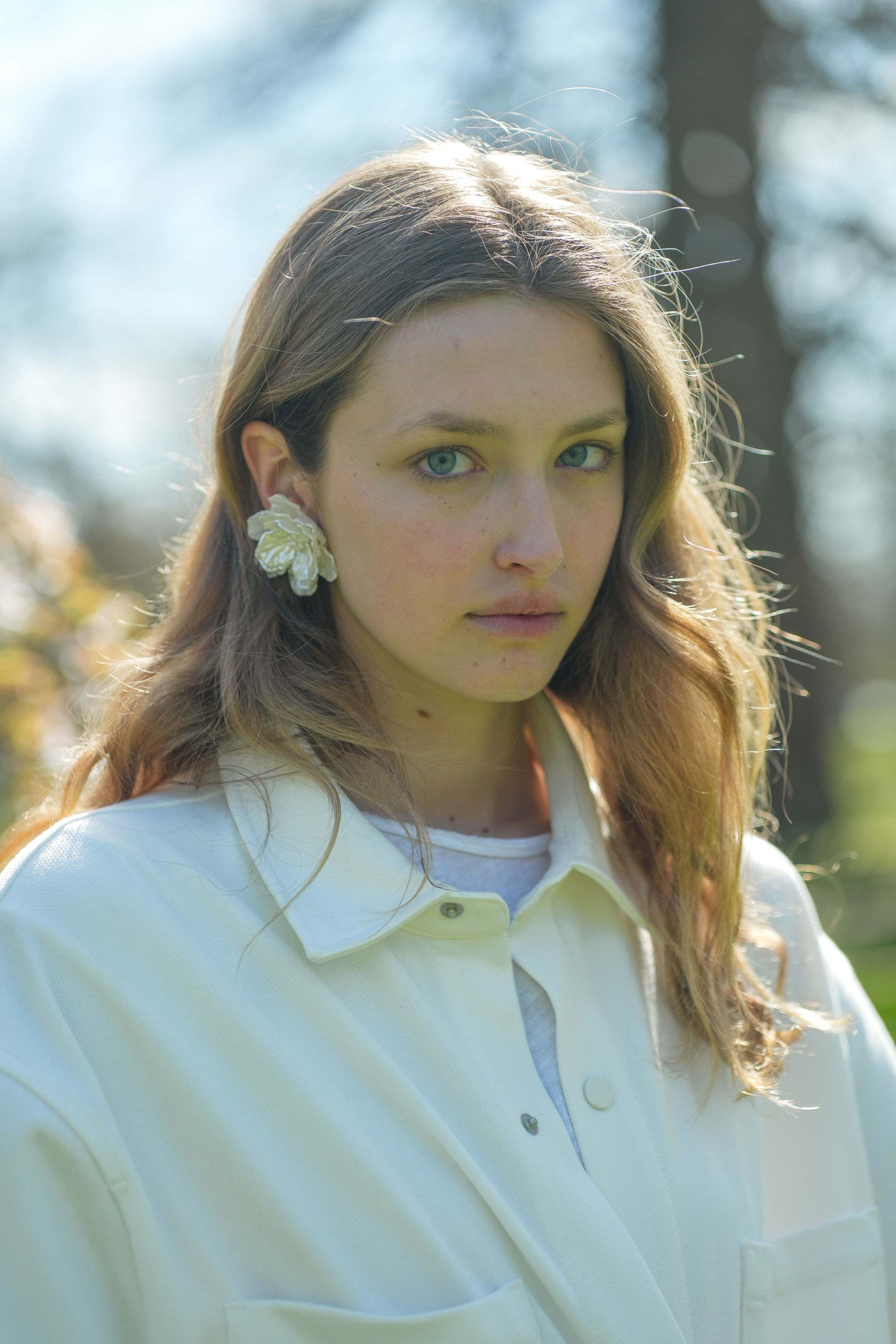
Editorial Fashion Cinematography: The Art of Visual Storytelling in London's Fashion Scene
After twelve years behind the lens as a London videographer specializing in luxury fashion and commercial productions, I've witnessed the profound evolution of editorial fashion cinematography. What began as simple product showcases has transformed into an intricate art form that demands the perfect marriage of technical excellence, creative vision, and deep understanding of brand narratives.
Editorial fashion cinematography isn't merely about capturing beautiful garments in motion, it's about crafting visual stories that resonate with audiences on an emotional level. As a commercial cinematographer working with luxury brands across London's vibrant fashion scene, I've learned that each frame must serve both aesthetic and strategic purposes, creating content that elevates brands while captivating viewers.
Understanding Editorial Fashion Cinematography
Editorial fashion cinematography represents the pinnacle of fashion videography, combining the narrative depth of editorial photography with the dynamic possibilities of moving imagery. Unlike traditional commercial work, editorial pieces tell stories that transcend product promotion, creating emotional connections between brands and their audiences.
The distinction lies in approach and execution. While commercial fashion videography often focuses on product features and direct selling points, editorial cinematography explores themes, moods, and concepts that align with a brand's identity. This approach has become increasingly valuable as luxury brands seek to differentiate themselves in an oversaturated market.
Publications like Vogue and Harper's Bazaar have long understood this power, commissioning editorial fashion films that serve as both art pieces and brand statements. These productions influence consumer perception far beyond traditional advertising, creating cultural moments that define fashion seasons.
The Technical Foundation of Editorial Excellence
Camera Movement and Composition
In editorial fashion cinematography, every camera movement tells part of the story. I've found that the most compelling fashion films use movement to reveal character and emotion rather than simply showcasing garments. Slow, deliberate tracking shots can convey luxury and sophistication, while handheld work might express spontaneity and authenticity.
The rule of thirds becomes more nuanced in fashion cinematography. While traditional composition guidelines apply, fashion films often benefit from asymmetrical framing that creates visual tension and draws attention to key design elements. Negative space becomes particularly important, allowing viewers to appreciate both the garment's silhouette and the model's presence within the frame.
Lighting for Luxury Aesthetics
Lighting in editorial fashion work differs significantly from standard commercial production. The goal isn't just to illuminate the subject clearly, it's to create mood, enhance texture, and support the narrative. I often employ a combination of natural and artificial lighting to achieve the sophisticated looks that luxury brands demand.
Soft, diffused lighting remains a staple for its flattering qualities, but editorial work often calls for more dramatic approaches. Rim lighting can separate subjects from backgrounds while adding glamour, and carefully controlled shadows can create mystery and depth. The key is ensuring that lighting choices serve the story being told.
Narrative Structure in Fashion Films
The most successful editorial fashion cinematography follows narrative principles borrowed from traditional filmmaking. Like the approach I detailed in my guide on Cinematic Storytelling: Creating Compelling Brand Narratives, fashion films benefit from clear story arcs that engage viewers emotionally.
Character Development Through Fashion
In editorial fashion cinematography, the model becomes a character, and the clothing serves as both costume and narrative device. I work closely with models to develop characters that authentically represent the brand's target audience while remaining aspirational. This character development process often involves extensive pre-production discussions about motivation, background, and emotional journey.
The clothing itself must be integrated seamlessly into this character development. Each piece should feel natural to the character while highlighting the designer's vision. This requires careful consideration of how garments move, how they catch light, and how they contribute to the overall story being told.
Pacing and Rhythm
Editorial fashion films require sophisticated pacing that allows viewers to appreciate both the narrative and the fashion elements. Unlike traditional advertising, which often follows predictable formulas, editorial work can experiment with rhythm and structure. Some of my most successful pieces alternate between intimate close-ups and wide establishing shots, creating a visual rhythm that mirrors the emotional arc of the story.
The pacing must also consider the luxury market's expectations. Rushed cuts and frenetic editing rarely serve luxury brands well. Instead, I favor longer takes and smooth transitions that allow the inherent quality of the products to shine through while maintaining narrative momentum.
Pre-Production: The Foundation of Success
Concept Development and Brand Alignment
Every successful editorial fashion cinematography project begins with thorough concept development. I spend considerable time understanding not just what the client wants to achieve, but how their vision aligns with current fashion trends and consumer expectations. Research from Business of Fashion consistently shows that brands investing in high-quality visual content see better engagement and conversion rates.
The concept development phase involves mood boarding, location scouting, and extensive collaboration with creative teams. I work with stylists, makeup artists, and production designers to ensure every element serves the overarching vision. This collaborative approach was particularly evident in my work with Alice Linden Staub, where attention to every detail resulted in imagery that perfectly captured the brand's sophisticated aesthetic.
Casting and Location Selection
Professional video production in the fashion sector requires careful attention to casting. Models must embody the brand's values while being able to convey complex emotions through subtle performance. I've learned that the best fashion films feature models who can act, bringing authenticity to their roles while showcasing the clothing effectively.
Location selection plays an equally crucial role. Editorial fashion cinematography often benefits from locations that add narrative depth rather than simply providing attractive backgrounds. Urban environments can convey modernity and edge, while natural settings might emphasize sustainability or timelessness. The location must serve the story while complementing the fashion elements.
Production Techniques for Editorial Excellence
Working with Models and Talent
Directing talent in editorial fashion cinematography requires a different approach than traditional commercial work. The goal isn't just to showcase products, it's to create believable characters that viewers can connect with emotionally. I've found that the best results come from collaborative relationships with models, where they contribute to character development while following directorial guidance.
Communication becomes crucial during production. Models need to understand not just what they're doing, but why they're doing it. This understanding allows for more authentic performances and often leads to spontaneous moments that enhance the final product. The behind-the-scenes insights from my Behind the Scenes: DRT Bodywear Brand Campaign demonstrate how collaborative approaches lead to superior results.
Capturing Movement and Texture
Fashion cinematography must showcase how garments move and feel. This requires technical expertise in shutter speeds, frame rates, and camera angles. Slow-motion sequences can reveal the fluidity of fabrics, while normal speed captures authentic movement patterns. The key is varying techniques to maintain visual interest while serving the narrative.
Texture representation poses particular challenges in video format. Unlike still photography, cinematography must convey tactile qualities through motion and lighting. Close-up detail shots, strategic lighting, and careful focus work all contribute to communicating the luxurious feel of high-end fashion pieces.
Post-Production and Color Grading
The post-production phase of editorial fashion cinematography requires the same attention to detail as any high-end commercial production. Color grading becomes particularly important, as it sets the overall mood while ensuring accurate representation of the fashion pieces. I typically work with colorists who specialize in fashion content, as they understand the subtle requirements of luxury brand work.
Editorial fashion films often benefit from sophisticated color palettes that support the narrative while remaining true to the brand's visual identity. This might involve subtle desaturation for vintage-inspired pieces or enhanced contrast for modern, edgy collections. The goal is always to enhance rather than overshadow the fashion elements.
The Business Impact of Editorial Fashion Cinematography
Investment in high-quality editorial fashion cinematography delivers measurable returns for luxury brands. These pieces serve multiple purposes: they can be used for social media campaigns, website content, press releases, and even exhibition materials. The versatility of editorial content makes it particularly valuable in today's multi-platform marketing environment.
Moreover, editorial fashion films tend to have longer lifespans than traditional advertising content. Their artistic merit and narrative depth mean they remain relevant beyond specific product launches or seasonal campaigns. This longevity provides ongoing value that justifies the initial investment in high-quality production.
Future Trends in Editorial Fashion Cinematography
The field continues evolving rapidly, driven by technological advances and changing consumer expectations. Virtual and augmented reality technologies are beginning to influence fashion film production, offering new possibilities for immersive storytelling. As a London videographer at the forefront of these developments, I'm constantly exploring how emerging technologies can enhance rather than replace traditional cinematographic techniques.
Sustainability themes are also becoming increasingly important in editorial fashion content. Brands are seeking ways to communicate their environmental commitments through visual storytelling, creating opportunities for cinematographers who understand both luxury aesthetics and sustainability messaging.
Frequently Asked Questions
What distinguishes editorial fashion cinematography from standard commercial fashion videos?
Editorial fashion cinematography focuses on storytelling and artistic expression rather than direct product promotion. While commercial videos typically highlight product features and benefits, editorial pieces create emotional connections through narrative depth, sophisticated cinematography, and character development. Editorial work often has longer lifespans and serves multiple marketing purposes beyond immediate sales conversion.
How long does a typical editorial fashion cinematography project take from concept to completion?
A comprehensive editorial fashion cinematography project typically requires 6-12 weeks from initial concept development to final delivery. This includes 2-3 weeks for pre-production (concept development, casting, location scouting), 1-3 days for principal photography, and 3-6 weeks for post-production including editing, color grading, and revisions. Timeline can vary based on project complexity and client requirements.
What budget considerations should luxury brands have for editorial fashion cinematography?
High-quality editorial fashion cinematography requires significant investment, typically ranging from £15,000 to £75,000+ depending on scope, locations, talent, and production complexity. This includes pre-production planning, crew, equipment, post-production, and all associated costs. The investment is justified by the versatility and longevity of editorial content, which serves multiple marketing purposes and maintains relevance longer than traditional advertising content.
Ready to elevate your brand through compelling editorial fashion cinematography? As an experienced commercial cinematographer and luxury brand content specialist, I collaborate with fashion brands across London and internationally to create visually stunning films that resonate with audiences and drive business results. Contact SwainUK today to discuss how editorial fashion cinematography can transform your brand narrative and engage your target audience through the power of visual storytelling.