Mastering Camera Movement Techniques: A London Cinematographer's Professional Guide to Dynamic Videography
Master professional camera movement techniques with 12+ years of London cinematography expertise. Elevate your commercial and fashion videography with proven methods.
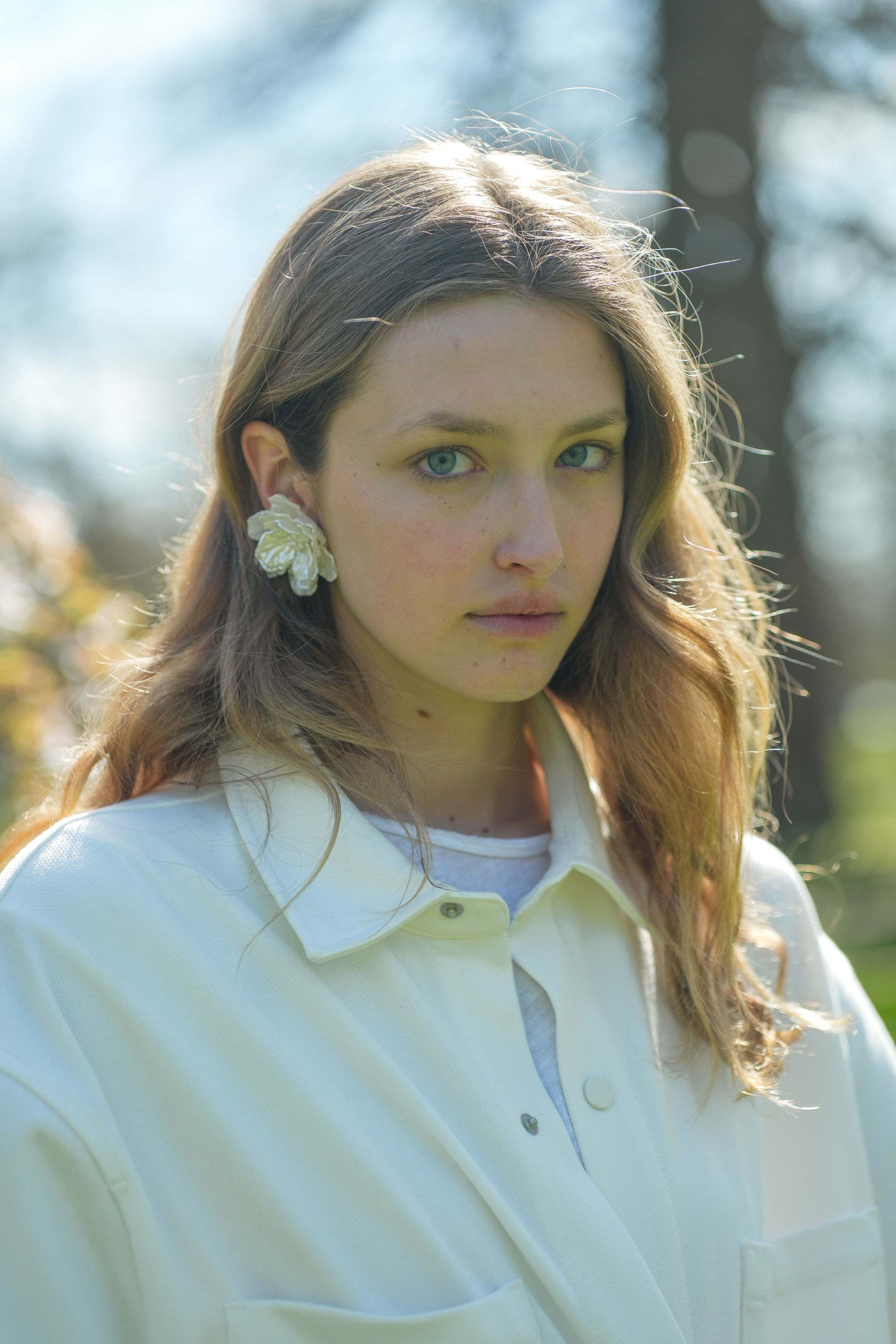
Mastering Camera Movement Techniques: A London Cinematographer's Professional Guide to Dynamic Videography
Over my 12+ years as a London videographer specialising in luxury commercial and fashion content, I've witnessed firsthand how masterful camera movement can transform ordinary footage into extraordinary visual storytelling. Whether I'm capturing the ethereal flow of haute couture or the precise mechanics of luxury timepieces, the way the camera moves, or doesn't move, defines the emotional impact of every frame.
Camera movement isn't just about creating visually stunning content; it's about guiding your audience's emotions, establishing narrative rhythm, and elevating brand perception. In today's competitive landscape of luxury brand content, understanding and mastering these techniques separates amateur footage from professional cinematography that commands attention and drives engagement.
Throughout this comprehensive guide, I'll share the camera movement techniques that have become fundamental to my work with high-end brands, drawing from real-world experience filming everything from London Fashion Week to international commercial campaigns. These aren't just technical exercises, they're storytelling tools that will revolutionise your approach to professional video production.
The Foundation: Understanding Movement Purpose
Before diving into specific techniques, it's crucial to understand that every camera movement must serve a purpose. During my early years as a commercial cinematographer, I learned this lesson the hard way, spectacular camera moves that serve no narrative purpose quickly become distracting and amateur-looking.
According to industry professionals at No Film School, effective camera movement should either reveal information, express emotion, or enhance the visual flow of your narrative. This principle has guided every luxury campaign I've shot, from intimate portrait sessions to large-scale commercial productions.
In fashion videography, for instance, a slow, deliberate push-in might emphasise the intricate detail of handcrafted embroidery, while a sweeping lateral movement could showcase the dramatic silhouette of an evening gown. Each movement becomes a conscious choice that supports the brand's story and aesthetic vision.
Static Shots: The Power of Deliberate Stillness
Ironically, mastering camera movement begins with understanding when not to move at all. Static shots remain one of the most powerful tools in cinematography, particularly in luxury brand content where elegance and sophistication are paramount.
The Art of Composition in Stillness
A perfectly composed static shot allows viewers to absorb every detail of your subject without distraction. In my work with luxury fashion brands, I often employ extended static shots to let the audience appreciate the craftsmanship, texture, and form of high-end garments or accessories.
The key to effective static shots lies in meticulous composition and understanding of visual weight. As I detailed in my guide on luxury fashion videography trends, strategic use of negative space and carefully balanced elements can create images that feel both powerful and serene.
Technical Considerations for Static Excellence
Achieving truly professional static shots requires more than simply placing your camera on a tripod. Micro-movements from wind, vibration, or even the camera operator's breathing can compromise the pristine quality expected in luxury content. I always use heavy-duty tripods with proper dampening systems, and in controlled environments, I implement additional stabilisation measures to ensure absolute stillness.
Pan Movements: Revealing the World
The pan, a horizontal rotation of the camera on its axis, is perhaps the most fundamental camera movement technique, yet it's frequently executed poorly. Mastering the pan requires understanding speed, motivation, and timing.
Speed and Consistency
Professional pans maintain consistent speed throughout the movement. I've developed a technique of breathing control that helps maintain steady, smooth pans even when operating handheld. The speed should match the energy of your content: slow, contemplative pans for luxury product reveals, or quicker pans to follow action or create dynamism.
For commercial work, I typically execute pans at speeds that allow viewers to comfortably track the movement without inducing fatigue. Resources from PremiumBeat suggest that successful pans often take 3-7 seconds to complete, depending on the distance covered and intended emotional impact.
Motivated Movement
Every pan should feel motivated, either by following a subject's movement or revealing important information. In fashion videography, I often use pans to follow a model's walk or to reveal the full silhouette of a garment. The movement should feel natural and purposeful, never arbitrary or show-offy.
Tilt Movements: Vertical Storytelling
Vertical camera movements, tilts, are incredibly effective for revealing height, grandeur, or creating dramatic emphasis. In my commercial work, tilts often serve to establish scale or create visual interest in architectural or product shots.
The most common application in luxury content is the "tilt-up" reveal, starting on intriguing details and gradually revealing the complete subject. This technique works exceptionally well in fashion videography when introducing a complete look or in product work when building anticipation around a reveal.
Like pans, tilts must be executed with consistent speed and clear motivation. I often combine tilts with slight focal adjustments to maintain sharpness throughout the movement, particularly when working with shallow depth of field, a signature aesthetic in luxury brand content.
Dolly and Tracking Shots: Dimensional Movement
True dimensional camera movement, where the entire camera travels through space, creates an entirely different visual experience than rotating movements. These techniques add genuine depth and spatial relationship to your footage, making viewers feel as though they're moving through the environment.
Traditional Dolly Techniques
Traditional dolly shots involve moving the camera along a predetermined path, typically on rails or tracks. The resulting footage has a distinctive smooth, floating quality that immediately signals professional production values. In my luxury commercial work, dolly shots create an sense of refinement and technical excellence that aligns perfectly with high-end brand positioning.
The key to effective dolly work lies in understanding parallax, how foreground and background elements move relative to each other. This dimensional quality creates visual depth that's particularly effective in professional video production, as discussed in my comprehensive guide on product videography techniques.
Modern Slider and Gimbal Alternatives
While traditional dolly systems remain the gold standard for certain applications, modern sliders and motorised gimbal systems have expanded creative possibilities enormously. For fashion and commercial work, these tools allow for precise, repeatable movements that can be easily incorporated into complex lighting setups.
I frequently use precision sliders for product reveals and detailed fashion shots where exact timing and positioning are crucial. The ability to program specific speeds and distances ensures consistent results across multiple takes, essential for commercial work where brand consistency is paramount.
Crane and Jib Movements: Elevated Perspectives
Vertical camera movements using cranes or jibs create dramatic perspective shifts that can transform ordinary subjects into extraordinary visuals. These techniques are particularly powerful in fashion videography, where revealing silhouettes from unexpected angles can create memorable, impactful imagery.
Planning and Execution
Successful crane movements require careful planning and often involve multiple crew members. The movement should feel effortless and purposeful, despite the complex technical execution required. I always rehearse crane moves extensively, marking key positions and ensuring smooth operation throughout the entire movement.
For luxury brand content, crane movements often serve to establish grandeur or provide dramatic reveals. The elevated perspective can showcase environments, products, or fashion in ways that ground-level cameras simply cannot achieve, adding production value that reinforces premium brand positioning.
Handheld Techniques: Organic Movement
Handheld camera work, when executed with professional skill, can add organic energy and intimacy to luxury content. The key distinction between amateur handheld footage and professional handheld cinematography lies in intentionality and control.
Controlled Handheld Aesthetics
Professional handheld work isn't about wild, shaky footage, it's about subtle, organic movement that feels natural while maintaining visual sophistication. In fashion videography, gentle handheld movement can create intimacy and connection that perfectly complements the human element of luxury brands.
I've developed techniques for maintaining controlled handheld operation through proper stance, breathing control, and strategic use of camera support systems. The goal is movement that feels alive and engaging without compromising the polished aesthetic expected in luxury commercial work.
Drone and Aerial Movement: Sky-High Production Value
Aerial cinematography has become increasingly accessible, but professional drone work requires understanding both technical capabilities and creative applications. Modern systems from companies like DJI offer cinema-quality imagery that can dramatically enhance luxury brand content.
Creative Applications in Luxury Content
In commercial and fashion work, aerial movement serves multiple purposes: establishing location grandeur, creating dynamic transitions, and providing unique perspectives on subjects. For destination shoots, as I detailed in my destination wedding filming guide, aerial movement can establish location context while maintaining the sophisticated aesthetic required for luxury content.
The key to professional aerial work lies in smooth, purposeful movement that serves the story rather than simply showcasing technical capability. Every aerial shot should integrate seamlessly with ground-based footage, maintaining visual consistency and narrative flow.
Advanced Techniques: Combining Movements
The most sophisticated camera work often involves combining multiple movement techniques within single shots. These complex movements require extensive planning and precise execution but can create truly spectacular results that elevate luxury brand content to exceptional levels.
Multi-Axis Movements
Combining movements across multiple axes, such as simultaneously panning while dollying, creates dynamic, cinematic footage that maintains viewer engagement. These techniques are particularly effective in fashion videography, where complex movements can mirror the fluid, dynamic nature of fabric and form.
Success with multi-axis movements requires understanding how each component movement affects the overall visual result. The combined effect should feel smooth and intentional, never chaotic or overwhelming.
Transitional Techniques
Advanced camera movements often serve as transitional elements, connecting different scenes or shots with flowing, continuous motion. These techniques require precise timing and often involve coordination between camera movement, subject positioning, and lighting transitions.
Technical Considerations for Professional Results
Achieving professional-quality camera movement requires attention to numerous technical details that separate commercial-grade work from amateur efforts.
Equipment Selection and Maintenance
Professional camera movement depends on high-quality, properly maintained equipment. Fluid heads, precision sliders, and stabilisation systems must be regularly serviced and calibrated to ensure consistent performance. In commercial work, equipment failure isn't just inconvenient, it's professionally damaging and expensive.
Timing and Rhythm
Camera movements must align with the overall rhythm and pacing of your content. This requires understanding not just individual movements but how they contribute to the broader narrative flow. In luxury brand content, movements typically err towards elegance and sophistication rather than aggressive dynamism.
Post-Production Considerations
Camera movement techniques don't end with capture, post-production workflows must account for and enhance the movements captured during filming.
Stabilisation and Enhancement
Modern post-production tools allow for subtle enhancement of camera movements, smoothing minor imperfections while preserving the intended aesthetic. However, over-reliance on post-production stabilisation can create an artificial, disconnected feeling that compromises the organic quality of well-executed camera work.
Colour Grading and Movement
Camera movements can affect colour grading workflows, particularly when moving between different lighting conditions or environments. Professional colour grading must account for these transitions, maintaining visual consistency while preserving the dynamic quality of the movement.
Frequently Asked Questions
What's the most important camera movement technique for commercial videography?
There's no single "most important" technique, but mastering smooth, motivated movements that serve your story is crucial. In my experience with luxury commercial work, the ability to execute perfectly smooth dolly movements and controlled handheld shots provides the foundation for most professional applications. The key is understanding when and why to use each technique rather than focusing on any single movement type.
How do I avoid making my camera movements look amateur or distracting?
Amateur-looking camera movements typically suffer from three main issues: lack of motivation, inconsistent speed, and poor timing. Every movement should have a clear purpose, whether revealing information, following action, or creating specific emotional impact. Practice maintaining consistent speed throughout movements and ensure your timing aligns with the overall rhythm of your content. Most importantly, if a movement doesn't clearly enhance your story, don't use it.
What equipment do I need to achieve professional camera movement results?
Professional camera movement starts with quality support systems rather than expensive cameras. Invest in a solid fluid head tripod, precision slider, and reliable stabilisation tools before upgrading camera bodies. For most commercial and fashion work, a good fluid head, 1-meter slider, and handheld gimbal will cover 90% of professional movement requirements. As your skills and client demands grow, consider adding jib arms, dollies, and drone capabilities to expand your creative options.
Mastering camera movement techniques requires dedication, practice, and a deep understanding of how movement serves storytelling. As a London videographer working with luxury brands, I've seen how exceptional camera work can elevate content from good to extraordinary, creating lasting impressions that drive brand engagement and commercial success.
If you're ready to elevate your brand's visual content with professional cinematography that leverages these advanced camera movement techniques, I'd love to discuss your project. With over 12 years of experience creating luxury commercial and fashion content in London and internationally, I bring both technical expertise and creative vision to every production. Contact SwainUK today to explore how masterful camera movement can transform your brand's story into compelling, unforgettable visual experiences.