Professional Product Videography Techniques: A London Cinematographer's Complete Guide
Master professional product videography techniques with expert insights from a London cinematographer with 12+ years of experience in luxury commercial production.
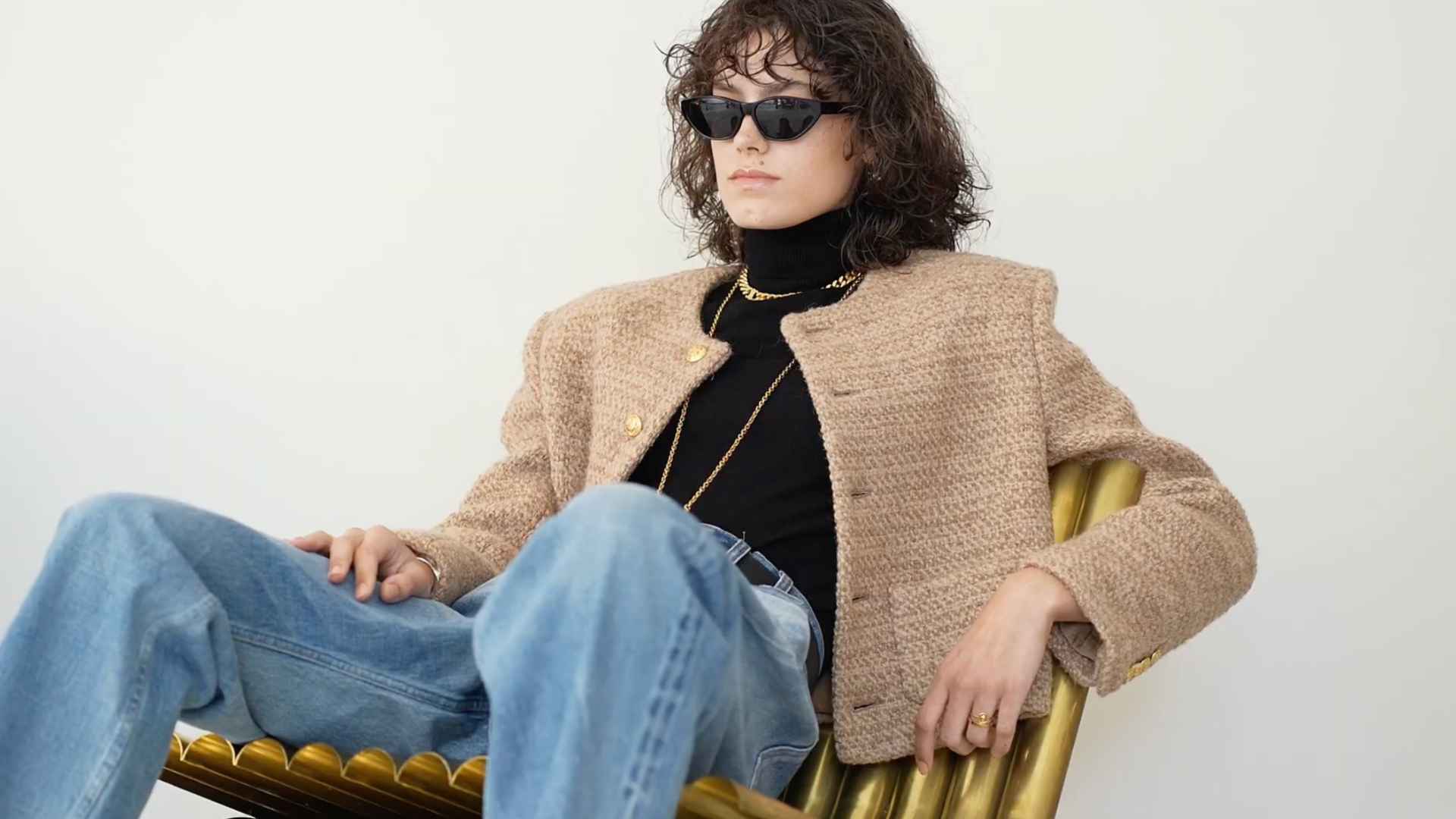
Professional Product Videography Techniques: A London Cinematographer's Complete Guide
After twelve years crafting compelling visual narratives for luxury brands across London and beyond, I've learned that exceptional product videography techniques are the foundation of successful commercial campaigns. Whether you're showcasing haute couture, premium cosmetics, or high-end technology, the principles I'll share have been refined through countless shoots with discerning clients who demand nothing but perfection.
As a London videographer specializing in luxury brand content, I've witnessed how the right approach can transform a simple product into an irresistible visual story. The techniques I'm about to reveal aren't just theoretical, they're battle-tested methods that have consistently delivered results for brands ranging from emerging designers to established fashion houses.
Understanding the Foundation of Professional Product Videography
Before diving into specific techniques, it's crucial to understand what separates amateur product videos from professional video production. The difference lies not just in equipment, but in a systematic approach to visual storytelling that considers every element from lighting to post-production workflow.
The Psychology of Product Presentation
Every product video I create begins with understanding the psychological triggers that drive consumer behavior. Luxury brands aren't just selling products, they're selling experiences, aspirations, and identity. This understanding has shaped my approach whether I'm working on Alice Linden Staub projects or crafting content for international fashion weeks.
The human eye is naturally drawn to movement, texture, and light. By manipulating these elements strategically, we create an emotional connection before the viewer even consciously processes what they're seeing. This principle applies whether you're filming a delicate piece of jewelry or a robust tech gadget.
Pre-Production Planning Excellence
The most crucial phase of any product videography project happens before the camera starts rolling. My pre-production process involves comprehensive product analysis, brand alignment research, and technical preparation that sets the stage for flawless execution.
I start by studying the product's unique selling propositions, understanding its target demographic, and identifying the key features that need highlighting. This research phase often reveals unexpected angles or characteristics that become the focal point of the entire production.
Essential Lighting Techniques for Product Excellence
Lighting is arguably the most critical element in fashion videography and product showcase videos. Over the years, I've developed a systematic approach to lighting that adapts to any product type while maintaining the sophisticated aesthetic that luxury brands demand.
The Three-Point Lighting Evolution
While traditional three-point lighting provides a solid foundation, product videography requires a more nuanced approach. I've evolved this classic setup into what I call "dimensional lighting," which creates depth while preserving the product's authentic colors and textures.
Key lighting for product work must be softer and more controlled than traditional interview or portrait setups. I typically use large softboxes or diffusion panels positioned at specific angles to eliminate harsh shadows while maintaining enough contrast to define the product's form. The fill light serves not just to reduce shadows, but to reveal detail in areas that might otherwise disappear into darkness.
Specialized Lighting for Different Product Categories
Reflective surfaces like jewelry or electronics require completely different lighting strategies than textiles or cosmetics. For metallic products, I employ a technique called "controlled reflection," where the lighting setup creates intentional reflections that enhance rather than obscure the product's features.
When filming fashion items, particularly those featured in my Behind the Scenes Fashion Shoots: A London Videographer's Professional Guide, the lighting must reveal texture and movement. Fabrics come alive under properly positioned lights that catch the weave and flow of the material.
Dynamic Lighting for Motion
Static lighting rarely serves product videography well. I incorporate subtle lighting changes throughout the shoot to maintain visual interest and highlight different aspects of the product as it moves through the frame. This might involve gradually shifting the intensity of fill lights or introducing colored gels at specific moments.
Camera Movement and Composition Mastery
The way a camera moves around a product tells a story. As a commercial cinematographer, I've developed signature movement techniques that have become part of my visual language, creating a sense of luxury and sophistication that clients consistently request.
Precision Movement Techniques
Product videography demands surgical precision in camera movement. Unlike the more organic movements I might employ in Destination Wedding Filming: A London Cinematographer's Guide to Capturing Love Stories Worldwide, product work requires movements that are smooth, deliberate, and mathematically precise.
I rely heavily on motorized sliders, precision turntables, and robotic camera systems that can execute repeatable movements with millimeter accuracy. This precision allows for consistent results and gives clients the confidence that every shot will meet their exacting standards.
The Art of Revealing Detail
Each camera movement should reveal something new about the product. I choreograph my shots to gradually unveil features, creating a sense of discovery that keeps viewers engaged. This might involve a slow push-in that reveals intricate craftsmanship details or a circular movement that showcases the product from multiple angles in one fluid motion.
The pacing of these reveals is crucial. Too fast, and viewers miss important details. Too slow, and attention wanes. Finding the perfect rhythm requires understanding both the product's complexity and the intended viewing context.
Macro and Detail Work
Luxury products often justify their premium pricing through superior craftsmanship and attention to detail. Macro lens work allows me to showcase these elements in ways that are impossible with standard focal lengths. The challenge lies in maintaining focus throughout complex camera movements while working at such close distances.
I use specialized focus-pulling techniques and often employ focus stacking in post-production to ensure every element remains sharp throughout the movement. This technical precision has become a signature element of my work, particularly appreciated by clients who understand that such details separate professional work from amateur attempts.
Advanced Technical Considerations
The technical aspects of product videography techniques extend far beyond basic camera operation. Modern luxury brands expect their content to meet the highest technical standards, from color accuracy to file delivery specifications.
Color Management and Accuracy
Color accuracy is non-negotiable in luxury product videography. Clients invest significant resources in perfecting their product colors, and any deviation in video representation can be costly. I maintain a strictly controlled color pipeline from capture through delivery.
This involves using calibrated monitors throughout the production process, shooting in log formats that preserve maximum color information, and working within defined color spaces that match the client's brand guidelines. Every project begins with color target establishment and ends with client approval of color-corrected samples.
Resolution and Frame Rate Strategy
While 4K has become standard for most commercial work, luxury brands often require even higher resolutions for versatility in usage across multiple platforms. I typically shoot at 6K or 8K resolution, providing clients with maximum flexibility for cropping, stabilization, and future-proofing their content investments.
Frame rate selection depends on the intended use and desired aesthetic. Higher frame rates allow for smooth slow-motion effects that can add elegance to product reveals, while standard frame rates maintain a more cinematic feel appropriate for premium brand positioning.
Equipment Selection and Maintenance
The tools used in professional product videography must be maintained to exacting standards. Lens cleanliness, sensor calibration, and equipment precision all directly impact the final product quality. I maintain redundant systems for every critical component, ensuring that technical issues never compromise a shoot.
According to industry resources like No Film School, the rapid advancement in camera technology means constant evaluation and upgrading of equipment to maintain competitive advantage. However, I've learned that the newest equipment isn't always the best choice, reliability and proven performance often outweigh cutting-edge features.
Post-Production Excellence
The magic of product videography truly comes alive in post-production, where technical precision meets creative vision. This phase requires both technical expertise and artistic sensitivity to enhance the product without creating unrealistic representations.
Color Grading for Luxury Aesthetics
Color grading luxury product videos requires a different approach than standard commercial work. The goal isn't to create a stylized look, but to achieve a refined, sophisticated presentation that enhances the product's inherent qualities without appearing over-processed.
I work within carefully defined parameters that preserve color accuracy while adding the subtle enhancements that elevate the overall visual quality. This might involve gentle contrast adjustments that add depth, or minimal saturation increases that make colors appear more vibrant without crossing into unrealistic territory.
Motion Graphics and Visual Effects
Subtle motion graphics can enhance product videos without overwhelming the main subject. I incorporate elements like animated product callouts, specification displays, and brand integration that feel organic to the overall composition.
Visual effects work in product videography should be invisible. Whether removing unwanted reflections, enhancing product movement, or creating perfect backgrounds, the goal is always to serve the product presentation rather than showcase technical capabilities.
Audio Design Considerations
While product videos might not always include dialogue, sound design plays a crucial role in creating the desired atmosphere. Subtle ambient tracks, carefully chosen music, and even product-specific sound effects can significantly enhance the viewer experience.
Resources like PremiumBeat provide excellent guidance on music selection and audio post-production techniques that complement high-end visual content. The key is choosing audio elements that support rather than compete with the visual message.
Emerging Technologies and Future Trends
The landscape of professional video production continues evolving rapidly, with new technologies offering unprecedented creative possibilities for product showcase videos.
360-Degree and VR Product Experiences
Immersive product experiences are becoming increasingly important for luxury brands. 360-degree video capture allows potential customers to examine products from every angle, creating a more engaging and informative experience than traditional linear videos.
I've begun incorporating 360-degree techniques into my workflow, using specialized rigs that capture seamless spherical video. While the technology is still evolving, early adopters gain significant competitive advantages in customer engagement.
Drone Technology Integration
While drones might seem irrelevant to product videography, innovative applications are emerging. DJI and other manufacturers are developing precision drone systems capable of incredibly smooth, computer-controlled movements that can create unique perspectives impossible with traditional camera support systems.
For larger products or when showcasing products in environmental contexts, drone work can provide sweeping movements and reveals that add dramatic impact to the presentation.
AI-Assisted Production Workflows
Artificial intelligence is beginning to impact various aspects of video production, from automated color correction to intelligent motion tracking. While these tools will never replace creative vision and technical expertise, they can streamline certain processes and allow more time for creative refinement.
Frequently Asked Questions
What makes product videography different from other commercial video work?
Product videography requires absolute precision in every technical aspect, from color accuracy to camera movement. Unlike other commercial work where slight variations might be acceptable or even desirable, product videos must represent items exactly as they appear in reality while enhancing their appeal. This demands specialized equipment, controlled environments, and extensive post-production expertise to achieve the level of quality that luxury brands require.
How do you ensure color accuracy when filming luxury products?
Color accuracy begins with proper lighting using high-CRI LED panels or professional tungsten/HMI lights, combined with calibrated monitors throughout the entire workflow. I shoot in log format to preserve maximum color information, use color targets for reference, and maintain a controlled color pipeline from capture through final delivery. Every project includes color approval stages where clients can verify that their products are represented accurately across different viewing environments.
What's the typical timeline for a professional product videography project?
Timeline varies significantly based on project complexity, but a typical luxury product video requires 2-3 days of pre-production planning, 1-2 days of principal photography, and 3-5 days of post-production work. This includes time for client reviews and revisions. Larger campaigns or projects requiring multiple product variations may extend to several weeks. The key is allowing sufficient time for the meticulous attention to detail that luxury brands expect.
Ready to elevate your brand with professional product videography that captures the essence of luxury? With over twelve years of experience creating compelling visual content for discerning clients, I bring the technical expertise and creative vision necessary to showcase your products at their absolute best. Contact SwainUK today to discuss how we can transform your product into an irresistible visual story that drives results and enhances your brand's prestigious reputation.