What a Fashion Film Director Actually Does on Set
Fashion film is one of the most demanding corners of commercial video. Here is how I approach directing it for luxury brands.
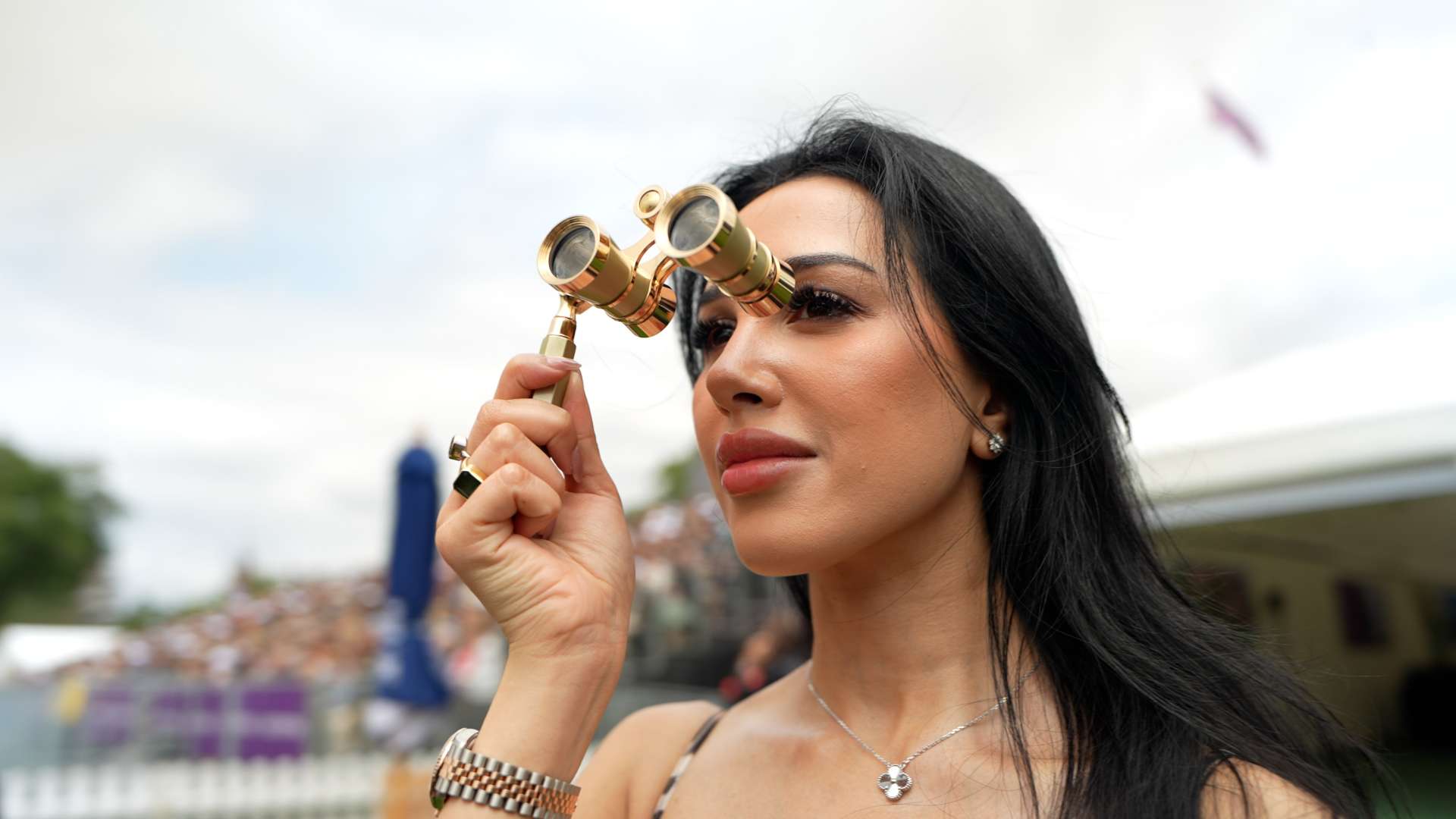
The title "fashion film director" gets thrown around loosely. I have met videographers who call themselves that because they once filmed a lookbook on a mirrorless camera in a warehouse. I have also worked alongside genuinely gifted directors who treat every frame as a considered creative decision. The gap between those two things is enormous, and brands at the luxury end of the market feel it immediately.
I have been directing commercial and fashion content in London for over twelve years, with credits across Celine, Miss Sixty, Vogue, Piaget, and Aspinal of London. What follows is an honest account of what the job actually involves, from the first creative brief to the final grade.
L’Atelier Five - Opera Gallery event · More SwainUK projects
The film above, shot for L'Atelier Five at Opera Gallery, is a useful illustration. The brief asked for something that felt editorial and atmospheric rather than conventionally event-driven. That meant making lighting, movement, and pacing decisions in a live venue environment with no second takes. Watch how the camera moves through the space: every transition is motivated by what is happening socially in the room. That kind of intentionality does not happen by accident. It is built in the pre-production conversation and then executed under pressure on the night.
Pre-Production: Where the Film Is Actually Made
Most clients focus on the shoot day. In my experience, the shoot day is where you execute a plan, not where you build one. The creative decisions that determine whether a fashion film succeeds are made weeks earlier.
My pre-production process for a fashion film typically includes:
- Brief interrogation. I ask brands what they want viewers to feel, not just what they want viewers to see. Feeling drives editorial decisions far more reliably than mood boards alone.
- Location recce. For London shoots I visit the space at the same time of day we plan to film. Natural light shifts dramatically between morning and late afternoon, and knowing that in advance changes everything from lens selection to scheduling.
- Shot list with intent. Every shot on my list has a reason attached. Not "wide shot of model walking" but "wide shot establishing scale of the architecture against the delicacy of the garment." That distinction matters when you are under time pressure and have to decide what to drop.
- Talent briefing. Fashion film lives or dies on authenticity of movement. I spend time with models and talent before the camera rolls so they understand the mood we are building. Directing is 40% communication and 60% everything else.
"On a shoot for a jewellery client in the UAE, we had forty-five minutes of usable golden hour light. We had planned for ninety. The reason we still came away with the hero shots was that the shot list had priorities baked in. When time collapsed, we knew exactly which three setups mattered most and executed them without discussion."
On Set: Directing Versus Operating
One of the defining questions in fashion film production is whether the director also operates the camera. On smaller productions I do both. On larger ones I work with a dedicated operator so I can stand back and watch the full frame, the talent's performance, and the light simultaneously. Neither approach is categorically better. The right call depends on budget, crew size, and the complexity of the brief.
What does not change regardless of setup is the director's responsibility to hold the vision. Everyone on set, from the stylist to the gaffer, is making micro-decisions constantly. The director's job is to ensure those decisions are all pulling in the same direction. That requires clarity, not volume. The best directors I have observed rarely raise their voice. They have done enough preparation that the set runs on shared understanding.
Lighting is the single technical element I spend the most time on. Fashion film demands that the product, whether it is a gown, a watch, or a piece of jewellery, reads correctly on screen. That sounds obvious, but it is surprisingly easy to light a model beautifully while the garment loses its texture or the jewellery loses its sparkle. I treat the hero product as a second subject in every setup, not an afterthought.
Behind the scenes from the Shoot with @damasjewellery x Dome · More SwainUK projects
The behind-the-scenes footage above from the Damas Jewellery shoot with Dome shows this balancing act in practice. Watch how the lighting setup accounts for both the model's skin tones and the reflective surfaces of the pieces. Jewellery is one of the most technically demanding subjects in fashion film because metal and stone respond to light in ways that read completely differently on a monitor versus the finished grade. Getting it right requires experience with those materials, not just general cinematography skill.
Post-Production: Editing With Brand Intelligence
Fashion film editing is a discipline of restraint. The temptation, especially with a lot of beautiful footage, is to include too much. A three-minute fashion film that shows everything the brand does rarely works as well as a ninety-second film that makes the viewer feel one thing very precisely.
My editing approach for fashion clients follows a few consistent principles:
- Cut to emotion, not just rhythm. Music drives pacing in fashion film more than almost any other genre. But the edit should not be a visual transcript of the beat. It should use the music as architecture and then make decisions based on what feels emotionally right in each moment.
- Colour grade as brand language. I treat the grade as part of the creative brief. A heritage British label calls for different tonal choices than a contemporary Dubai-based jewellery house. The grade is not a finishing step, it is a communication tool.
- Sound design matters more than most clients expect. Fabric movement, ambient texture, the subtle presence of a location. These elements, handled well in the mix, add a layer of luxury that music alone cannot provide.
Why Experience at the Luxury Level Changes Everything
Working with clients like Celine and Piaget teaches you a specific kind of discipline. High-end brands have a visual language built over decades. Directing fashion film for them means understanding that language deeply enough to contribute to it without disrupting it. That is a very different brief than building a visual identity from scratch for a new brand, and it requires a different kind of research and sensitivity going into every project.
It also raises the stakes on every technical decision. Compression artefacts, a slightly soft focus pull, a poorly managed highlight. These things are forgivable at some budget levels. At the luxury level they are not. The standard is absolute, and I find that pressure genuinely motivating rather than stressful. It makes the work better.
If you are a creative director, brand manager, or production company looking for a fashion film director in London with proven luxury credentials, I would be glad to talk through your next project. Browse the full portfolio to see the range of work across fashion, beauty, and commercial production, or visit the L'Atelier Five gallery page for more from that project. When you are ready to discuss a brief, the contact page is the fastest way to reach me directly.