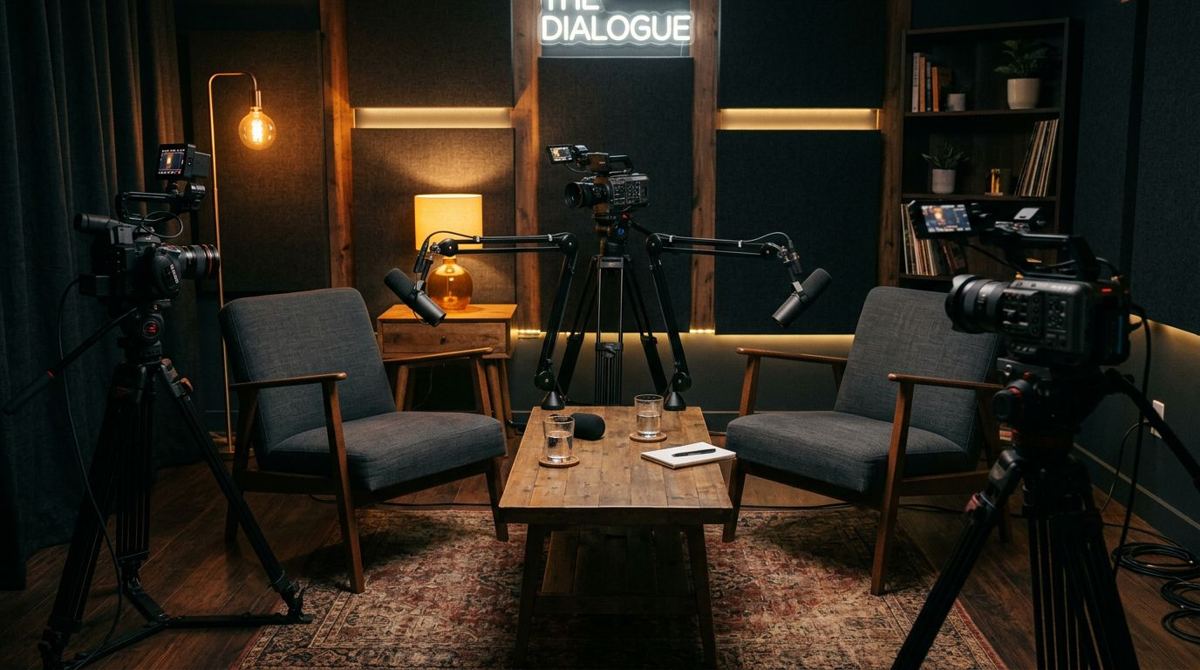
London · Guide for creators, filmmakers and brands
“People don't just listen to podcasts any more. They watch them.”
YouTube now has more than a billion monthly podcast viewers, and in the UK it has become the most used platform for listening. So a podcast needs to look as good as it sounds. A strong video podcast comes down to three cameras, clean sound recorded twice, simple flattering light, and an edit that turns one long recording into a full episode plus clips. Here is how to set it up, with a real four-episode series as the example.
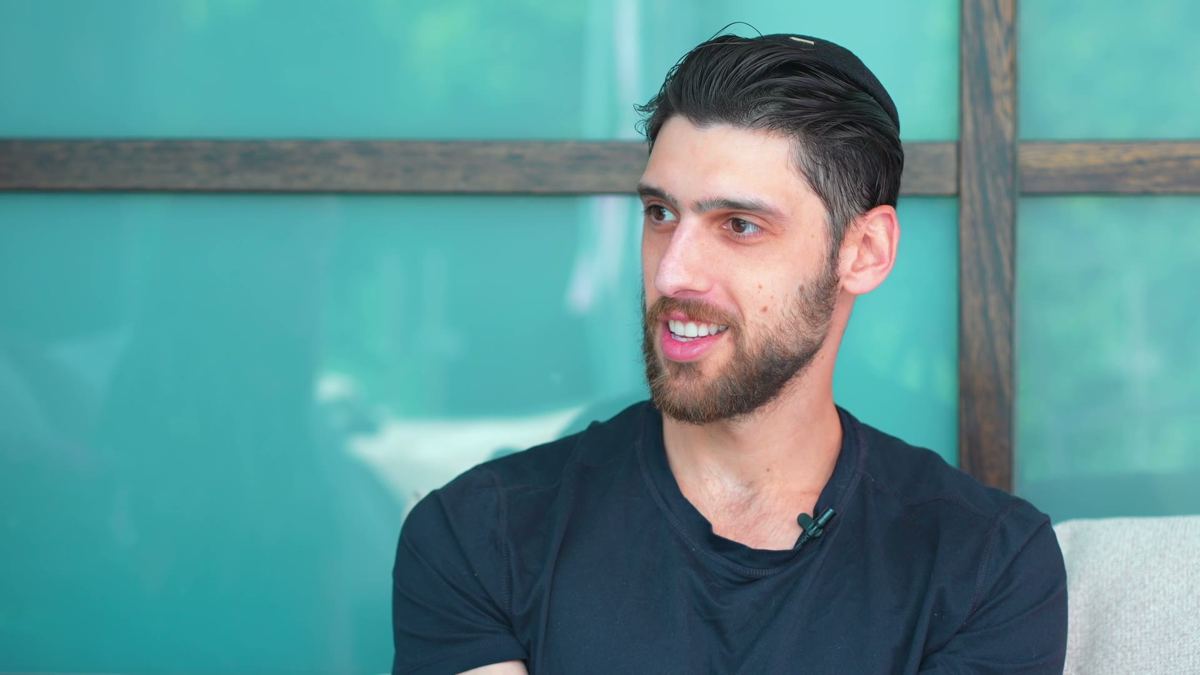
What Was I Gonna Say · single shot
01 · Why video
Why the camera matters now
YouTube is a podcast app
YouTube reports more than a billion monthly podcast viewers. A show without video misses most of that audience.
Clips find new listeners
Short vertical clips from each episode reach people who would never press play on an hour-long show.
Sources: YouTube Official Blog, 1 billion monthly podcast users · RAIN News on Ofcom's UK listening data.
02 · Cameras
The three-camera set-up
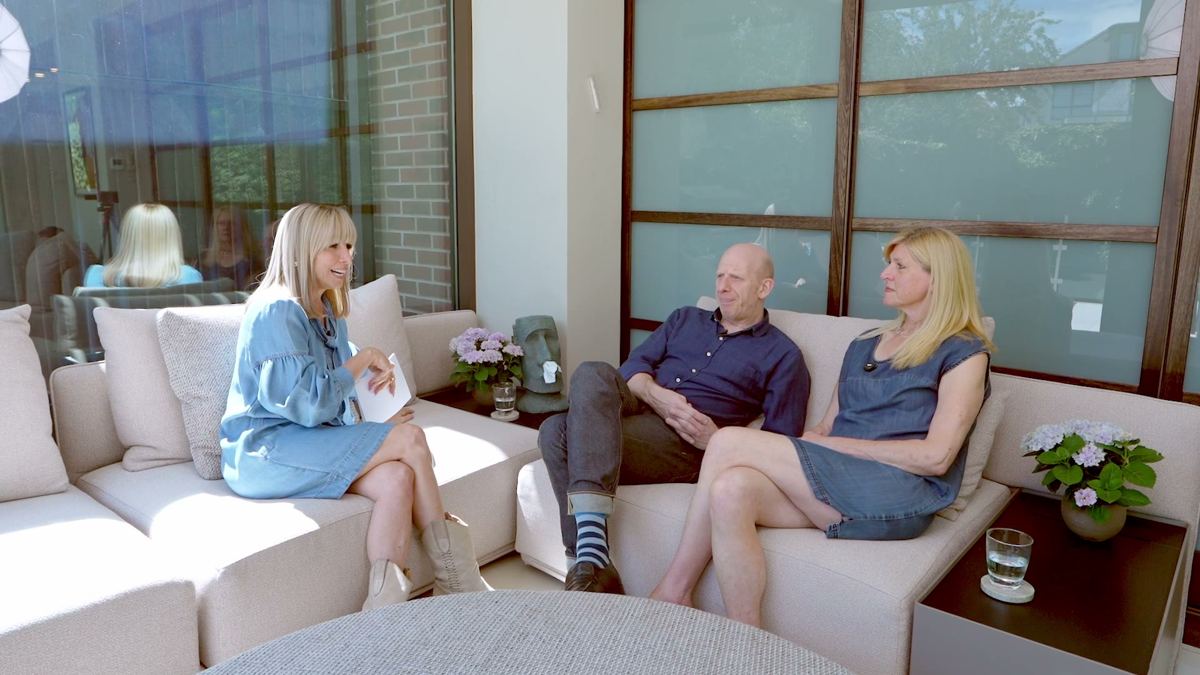
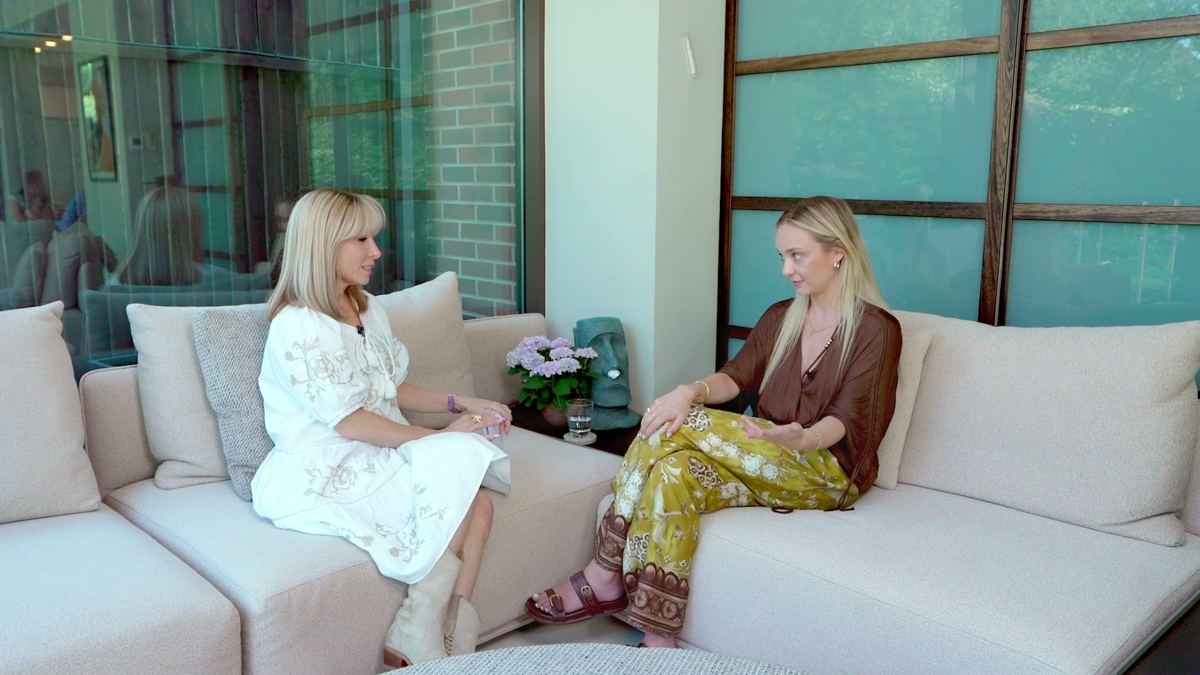
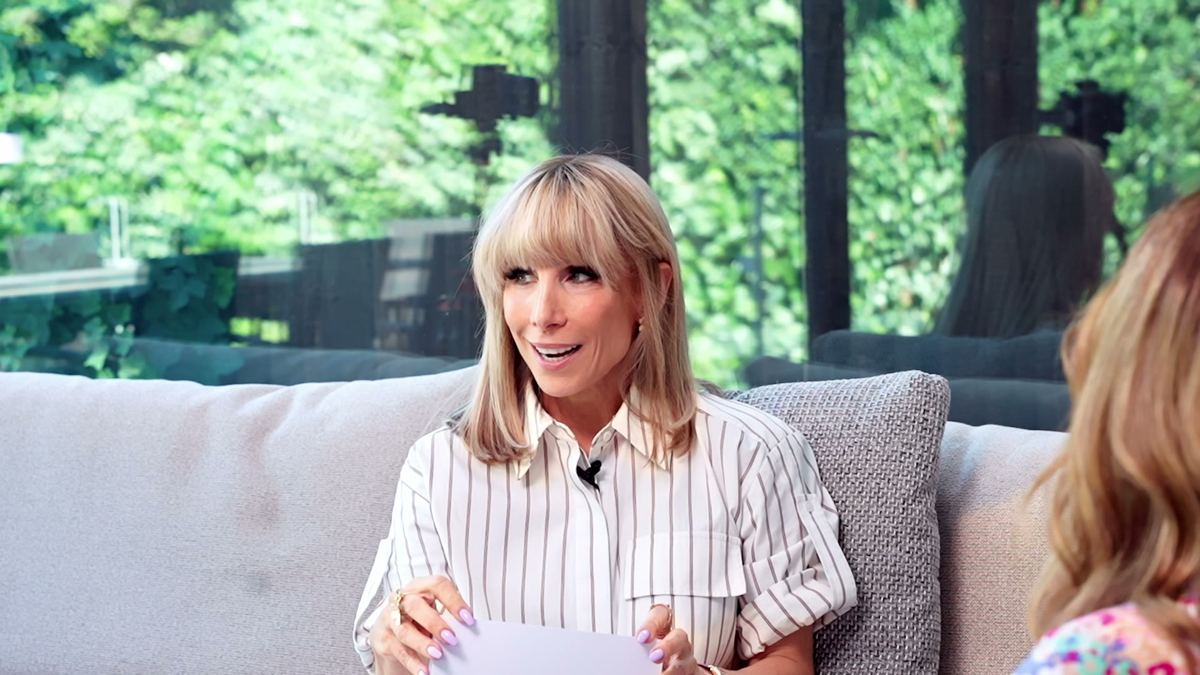
Wide and two-shot from What Was I Gonna Say.
| Camera | Shot | Why |
|---|---|---|
| A | The wide | Shows the room and both people. Your safety shot for every cut. |
| B | The host single | Close on the host for questions and reactions. |
| C | The guest single | Close on the guest. This is the shot most clips are cut from. |
Use the same camera model on all three if you can, so the colour matches without work in the edit. Our series was filmed on Sony FX3s. Put the singles slightly off the eyeline so guests talk to each other, not to the lens.
03 · Sound
Sound first, then picture
Viewers forgive a soft shot; they leave over bad sound. Record every voice on its own channel, and record it twice.
A mic per person
Wireless lavaliers are invisible and easy; broadcast microphones on arms give the classic podcast look. Either way, one per voice.
Record twice
Into a recorder or mixer, and as a backup into the cameras. If one fails, the episode survives.
Treat the room
Soft furniture, rugs and curtains stop echo. Glass and bare walls make it worse.
Someone on headphones
One person monitors the sound for the whole recording, so problems are fixed in the moment, not found in the edit.
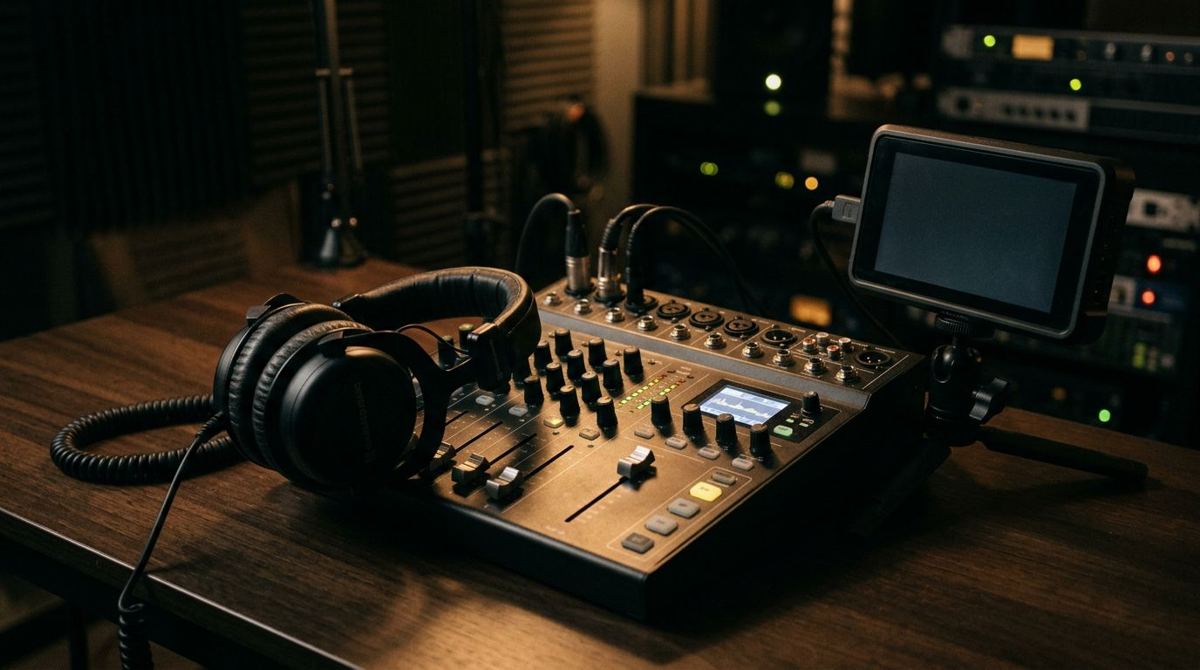
Illustration (AI): monitoring sound and picture together.
04 · Light
Simple, flattering light
The What Was I Gonna Say set uses a wall of windows as the main light, with the sofas side-on to it. That gives soft light on the faces and a bright, open background. If you shoot over several hours, add a soft LED from the window side to keep the light steady as the daylight changes.
05 · The edit
From one recording to a full episode and clips
One of our episodes was a single recording of almost 64 minutes, cut to about 48: the strongest opening moved to the top, then the conversation in order with the slow stretches taken out.
Every episode opens with the same animated intro and has the same subscribe graphic, so the series feels like one show.
Sync: line up all cameras and audio in a multicam timeline. A clap at the start makes it quick.
Cut: switch between wide and singles on who is speaking, and hold on reactions.
Colour: match the three cameras, then grade once.
Deliver: the full episode in 16:9, vertical clips in 9:16, and the audio-only file for podcast apps.
FAQ
Common questions
How many cameras do I need for a video podcast?
Three is the standard: a wide shot and a single on each person. Two can work with a wide and a single on the guest.
What is the best microphone set-up for a video podcast?
One microphone per person, each on its own channel, recorded into a mixer or recorder and backed up in the cameras.
How long does it take to edit a video podcast episode?
It depends on length and graphics. A long recording usually loses its slow stretches in the edit; one of our episodes went from almost 64 minutes to about 48.
What should a video podcast deliver?
A full 16:9 episode for YouTube, vertical clips for Reels and TikTok, and an audio-only master for podcast platforms.
Written by Joshua Swain, who films and edits podcasts, campaigns and street interviews in London and Dubai. See the portfolio.