Editorial Fashion Cinematography: Mastering Visual Storytelling for Luxury Brands
Discover the artistry behind editorial fashion cinematography. Professional London videographer Joshua Swain shares 12+ years of expertise in creating cinematic content for luxury fashion brands.
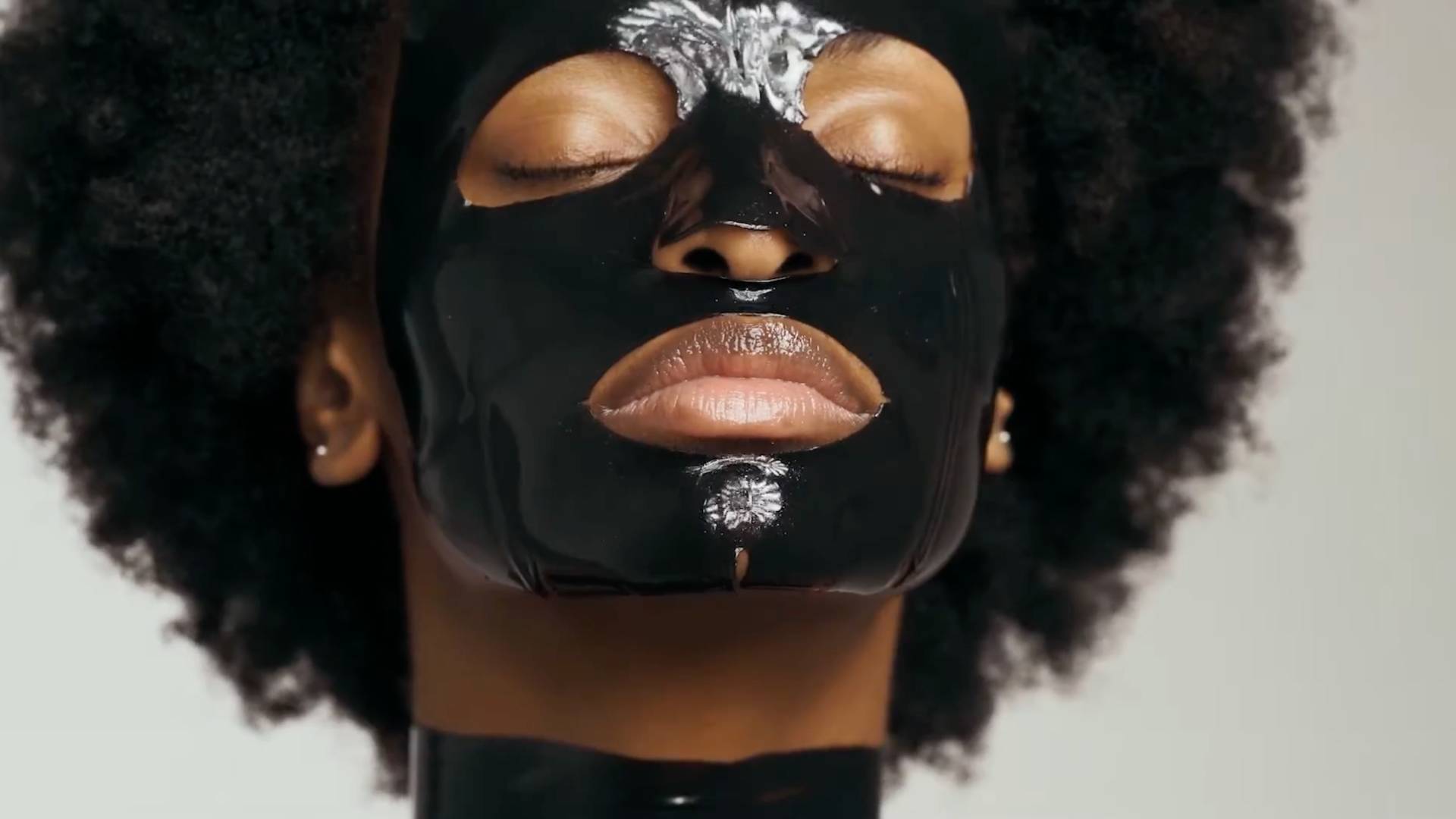
Editorial Fashion Cinematography: Mastering Visual Storytelling for Luxury Brands
After more than twelve years behind the camera as a commercial cinematographer in London, I've witnessed the evolution of fashion videography from simple product showcases to complex narrative-driven experiences. Editorial fashion cinematography represents the pinnacle of this evolution – a sophisticated blend of commercial objectives and artistic vision that transforms fashion into compelling visual stories.
The distinction between standard fashion videography and editorial work lies in the narrative depth and cinematic approach. While traditional fashion videos focus primarily on showcasing garments, editorial fashion cinematography elevates the medium by weaving stories that resonate with audiences on an emotional level. This approach has become essential for luxury brands seeking to differentiate themselves in an increasingly saturated market.
The Evolution of Fashion Cinematography
The landscape of fashion videography has undergone a dramatic transformation since I began my career. Early fashion films were largely static presentations – beautiful, certainly, but lacking the dynamic storytelling that defines today's editorial approach. The shift began when luxury brands recognized that consumers weren't just purchasing products; they were buying into lifestyles, dreams, and identities.
Publications like Harper's Bazaar pioneered the concept of fashion films that functioned as short narratives, complete with character development and emotional arcs. This editorial approach influenced commercial work, leading to a new standard where fashion content must engage viewers as both consumers and audiences.
In my work with projects like Vincent Nevs, I've embraced this narrative-driven approach, creating content that tells stories while showcasing products. The result is luxury brand content that doesn't just display fashion – it creates desire through storytelling.
Core Principles of Editorial Fashion Cinematography
Narrative Structure and Character Development
The foundation of effective editorial fashion cinematography lies in understanding that fashion is inherently about transformation and identity. Every piece of clothing tells a story about the person wearing it, and our role as cinematographers is to make those stories visible and compelling.
I approach each project by developing character profiles for the subjects, even in commercial work. Who is this person? What is their story? How does the fashion enhance or reveal their character? This character-driven approach elevates fashion films from mere advertising to genuine storytelling.
The narrative structure follows classic storytelling principles adapted for the fashion context. We establish a world, introduce a character, present a transformation or journey, and resolve with the character evolved or revealed. This structure works whether we're creating a thirty-second commercial or a longer editorial piece.
Visual Language and Aesthetic Consistency
Editorial fashion cinematography demands a sophisticated visual language that serves both the story and the brand. This involves developing a consistent aesthetic that reflects the brand's identity while supporting the narrative flow. Color palettes, lighting schemes, and camera movements all contribute to this visual vocabulary.
In my Two meter distance 1883 project, we developed a specific visual language that combined period aesthetics with contemporary cinematography techniques. The result was a timeless quality that served both the historical narrative and the modern fashion context.
Technical Excellence in Service of Story
While technical proficiency is crucial, in editorial work, technique must always serve the story. This principle guides every decision, from lens selection to lighting design. The technical elements should enhance the narrative without drawing attention to themselves.
Camera movement, for instance, should reflect the emotional state of the character or the energy of the scene. Static shots might convey elegance and timelessness, while dynamic movements could suggest transformation or energy. The key is ensuring that every technical choice supports the overall narrative goals.
Technical Mastery for Editorial Fashion Work
Camera and Lens Selection
The choice of camera and lenses significantly impacts the final aesthetic of editorial fashion work. I typically work with cinema cameras that offer the latitude and color science necessary for high-end professional video production. The ability to capture subtle color variations in fabrics and maintain detail in both shadows and highlights is crucial for fashion work.
Lens selection requires particular attention in fashion cinematography. As I detailed in my guide on Mastering Lens Selection for Commercials: A London Videographer's Professional Guide, different focal lengths create distinct emotional responses and aesthetic qualities. For editorial fashion work, I often favor lenses that provide pleasing bokeh and natural color rendition.
Prime lenses generally offer superior optical quality and allow for more precise control over depth of field – crucial elements in fashion cinematography where the subject must be clearly separated from the background while maintaining overall aesthetic coherence.
Lighting Design for Fashion
Lighting in editorial fashion cinematography serves multiple masters: it must flatter the subject, accurately represent the clothing, and support the narrative mood. This requires a sophisticated approach that balances technical requirements with creative vision.
I typically employ a combination of natural and artificial lighting, using natural light as a foundation and adding artificial sources to enhance and control the final look. The key is maintaining consistency throughout the shoot while allowing for the subtle variations that keep the footage visually interesting.
Color temperature becomes particularly important in fashion work, as mixed lighting can create color casts that affect how fabrics appear. Maintaining consistent color temperature or using mixed temperatures creatively to enhance the narrative requires careful planning and execution.
Movement and Composition
Camera movement in editorial fashion work should feel organic and purposeful. Unlike music videos or commercial work where dynamic movement might be employed for energy, fashion cinematography often requires more subtle, elegant movements that complement rather than compete with the subject.
Composition follows modified rules of traditional cinematography, with particular attention to how clothing falls and moves within the frame. The cinematographer must anticipate fabric movement and adjust framing accordingly, ensuring that key design elements remain visible and well-composed throughout the shot.
Working with Creative Teams
Collaboration with Fashion Directors and Stylists
Successful editorial fashion cinematography requires seamless collaboration with fashion directors, stylists, and creative directors. Each brings a specific expertise to the project, and the cinematographer must understand and support their vision while contributing technical and artistic expertise.
Pre-production meetings are crucial for establishing the visual direction and ensuring all team members understand the creative goals. I typically create visual references and test footage during pre-production to ensure we're aligned on the aesthetic direction before the main shoot begins.
Directing Models and Talent
Working with models in editorial fashion requires a different approach than traditional cinematography. Models are trained to work with still photography, and the transition to motion requires specific direction and support. The cinematographer must understand how to guide natural movement while capturing the clothing at its best advantage.
Communication becomes particularly important, as models need to understand how their movement affects the final image. This includes pacing, gesture, and the timing of movements relative to camera operations.
Post-Production and Color Grading
Editorial Approach to Color Correction
Color grading for editorial fashion work requires particular attention to fabric representation and skin tones. The goal is often to enhance the natural beauty of both while creating a cohesive aesthetic that supports the narrative vision.
I typically approach color grading with a light touch, preferring to capture the desired look in-camera when possible. This approach maintains the natural qualities of fabrics and skin while allowing for creative enhancement in post-production.
Pacing and Editorial Rhythm
The editorial process for fashion films requires understanding the rhythm of fashion presentation. Unlike traditional narrative work, fashion films often benefit from a more deliberate pace that allows viewers to appreciate the clothing while following the story.
This pacing creates opportunities for contemplation and desire – key elements in fashion marketing. The editor must balance narrative flow with product presentation, ensuring neither element overwhelms the other.
Market Trends and Industry Evolution
The fashion video industry continues to evolve rapidly, driven by changing consumer preferences and platform requirements. According to WWD, video content now represents the majority of fashion marketing spend, with editorial-style content showing the highest engagement rates.
Social media platforms have influenced format requirements, but the principles of good editorial fashion cinematography remain constant. Whether creating content for Instagram, TikTok, or traditional broadcast, the focus on storytelling and technical excellence continues to differentiate professional work from amateur content.
As reported by Fashionista, luxury brands increasingly seek cinematographers who can create content that works across multiple platforms while maintaining the brand's premium positioning. This requires understanding both the technical requirements of different platforms and the narrative approaches that resonate with diverse audiences.
Building a Career in Editorial Fashion Cinematography
Developing expertise in editorial fashion cinematography requires combining technical mastery with creative vision and business acumen. The London market, in particular, demands high standards and sophisticated understanding of luxury brand requirements.
Building relationships within the fashion industry takes time and consistent delivery of exceptional work. Clients expect not just technical competence but creative partnership in developing their brand stories. This requires staying current with fashion trends, understanding brand positioning, and developing the ability to translate brand values into compelling visual narratives.
Continuous learning remains essential, as both technology and fashion aesthetics evolve rapidly. Successful London videographers in this field combine deep technical knowledge with cultural awareness and business understanding.
Frequently Asked Questions
What distinguishes editorial fashion cinematography from commercial fashion videos?
Editorial fashion cinematography emphasizes storytelling and artistic vision alongside commercial objectives. While commercial fashion videos primarily showcase products, editorial work creates narrative experiences that engage viewers emotionally. This approach requires stronger character development, more sophisticated visual language, and often longer production timelines to achieve the desired artistic quality.
How do you balance creative vision with client commercial requirements?
Successful editorial fashion cinematography requires understanding that creative excellence serves commercial goals rather than competing with them. I work closely with clients during pre-production to ensure the creative vision aligns with their brand objectives and target audience. The key is demonstrating how artistic approaches can enhance rather than compromise commercial effectiveness, often through reference materials and test footage.
What equipment is essential for professional editorial fashion cinematography?
Professional editorial fashion work requires cinema cameras with excellent color science and latitude, high-quality prime lenses for optimal image quality, professional lighting equipment for precise control, and stabilization systems for smooth camera movement. Equally important is post-production capability including professional color grading tools. However, the most critical element is the expertise to use these tools effectively in service of the story.
Editorial fashion cinematography represents the intersection of commercial objectives and artistic vision, requiring technical mastery, creative insight, and collaborative skills. As the fashion industry continues to embrace video content, the demand for sophisticated visual storytelling will only increase.
If you're seeking a commercial cinematographer who understands the nuances of editorial fashion work and can translate your brand vision into compelling visual narratives, I invite you to explore how SwainUK can elevate your next fashion project. Contact us today to discuss your upcoming production needs.