Editorial Fashion Cinematography: A London Professional's Complete Guide to Creating Cinematic Fashion Content
Discover the art of editorial fashion cinematography from a London cinematographer with 12+ years experience. Learn professional techniques for luxury brand content creation.
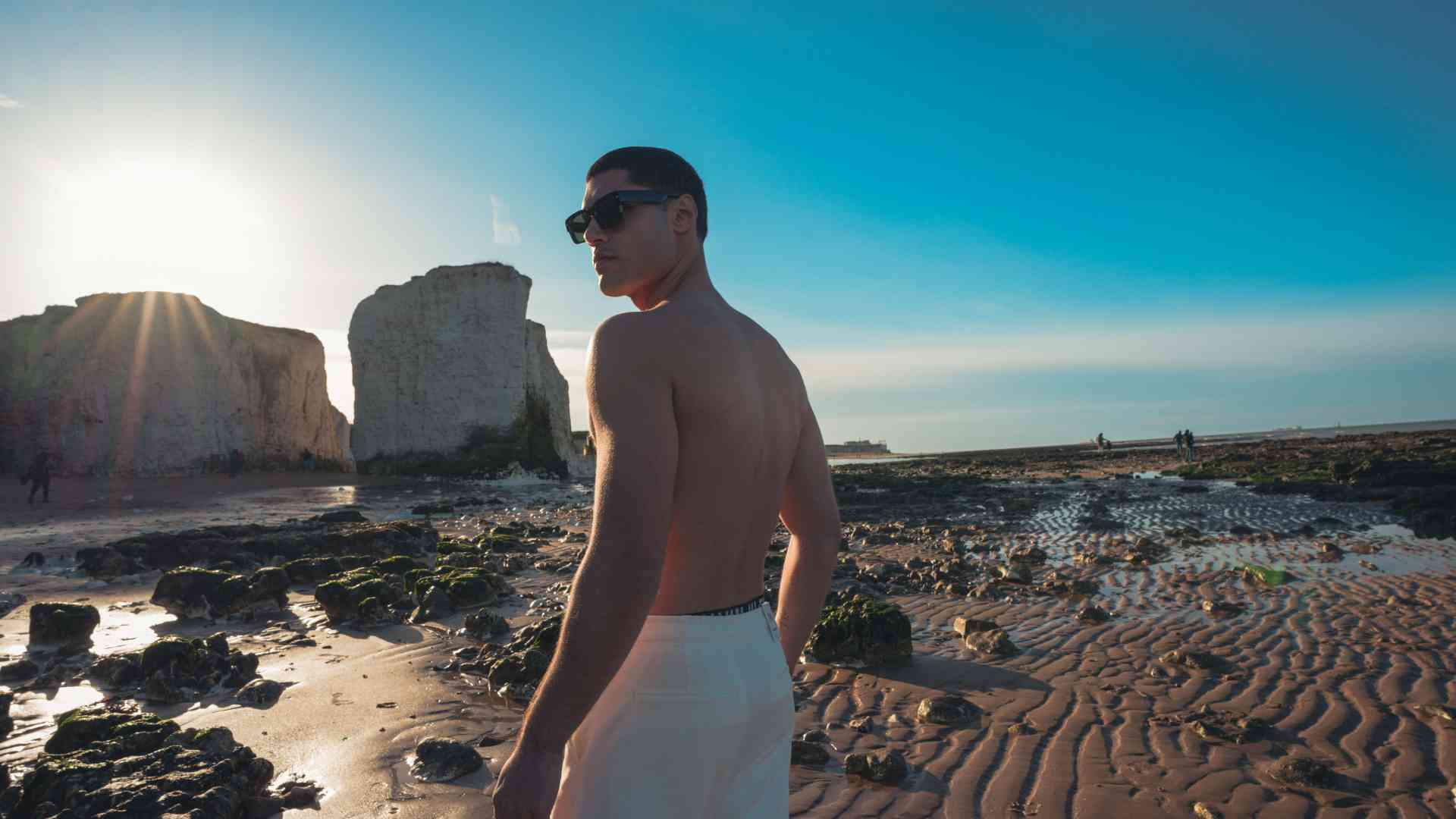
Editorial Fashion Cinematography: A London Professional's Complete Guide to Creating Cinematic Fashion Content
After more than twelve years behind the camera as a London videographer, I've witnessed the dramatic evolution of fashion cinematography from static, predictable shoots to dynamic, narrative-driven visual experiences. Today's editorial fashion cinematography demands far more than beautiful lighting and attractive models, it requires storytelling prowess, technical mastery, and an intimate understanding of luxury brand aesthetics.
When I founded SwainUK, my vision was to bridge the gap between traditional fashion photography and cinematic storytelling. This intersection has become the beating heart of modern fashion videography, where each frame must serve both aesthetic beauty and narrative purpose. Whether I'm creating content for high-end jewellery campaigns like my work with DAMAS Jewellery or capturing the energy of exclusive Events, the principles of editorial cinematography remain constant.
Understanding Editorial Fashion Cinematography
Editorial fashion cinematography transcends mere product showcase, it's the art of creating moving visual narratives that embody a brand's essence while telling compelling stories. Unlike commercial advertising, editorial work allows for greater creative freedom and artistic interpretation, though this freedom comes with its own set of challenges.
The Editorial Mindset
As Vogue consistently demonstrates in their digital content, editorial fashion work operates on emotional resonance rather than direct selling. Each piece must evoke feeling, inspire aspiration, and create an immersive brand experience. This approach has fundamentally shaped how I approach every project as a commercial cinematographer.
The editorial approach demands we think beyond the garment or accessory itself. We're crafting worlds, building atmospheres, and creating visual poetry that speaks to the viewer's subconscious desires and aspirations. This philosophy has guided my work throughout London's competitive fashion scene and continues to influence trends I explore in my analysis of Luxury Fashion Videography Trends 2024: A London Cinematographer's Professional Insights.
Key Characteristics of Editorial Fashion Content
Narrative Structure: Every editorial piece tells a story, whether subtle or overt. This might be the journey of a character through their day, the transformation of identity through fashion, or the exploration of a particular mood or theme.
Artistic Vision: Editorial work prioritises creative expression alongside commercial objectives. This balance allows for innovative techniques, unconventional angles, and bold creative choices that might be too risky for direct advertising.
Emotional Connection: Rather than focusing solely on product features, editorial cinematography creates emotional bridges between viewer and brand, fostering deeper engagement and brand loyalty.
Technical Foundations of Fashion Cinematography
The technical aspects of editorial fashion cinematography require a sophisticated understanding of both traditional cinematographic principles and the unique demands of fashion content. After years of refining my approach, I've developed a systematic methodology that ensures consistent, high-quality results.
Camera Movement and Composition
Fashion cinematography demands fluid, purposeful camera movement that enhances rather than distracts from the fashion elements. I typically employ a combination of static shots for detail work and dynamic movements for lifestyle sequences. The key is matching camera movement to the energy and personality of the brand being represented.
Composition in fashion videography follows many traditional rules while adapting to the unique requirements of showcasing clothing and accessories. The rule of thirds remains fundamental, but we must also consider how garments move through the frame, how textures catch light at different angles, and how accessories interact with the broader composition.
Lighting for Fashion Excellence
Lighting in editorial fashion work serves multiple masters: it must flatter the model, showcase the fashion pieces accurately, and support the overall mood and narrative of the piece. This triangulation of requirements demands sophisticated lighting setups that can adapt quickly to different looks and moods within a single shoot.
I've found that the most successful fashion lighting setups combine practical and artificial light sources, creating depth and visual interest while maintaining the flexibility to highlight specific details when needed. The interplay between hard and soft light becomes crucial when working with different fabric textures and metallic accessories.
Color Grading and Post-Production
The post-production phase often determines whether fashion content achieves its editorial aspirations or falls into commercial mediocrity. Color grading must enhance the natural beauty of the fashion pieces while supporting the overall artistic vision of the content.
As highlighted by Harper's Bazaar in their digital content strategy, consistent visual branding through post-production has become essential for luxury fashion brands. This consistency must balance brand recognition with creative freedom, allowing each piece to feel fresh while remaining recognisably part of the brand's visual ecosystem.
Pre-Production Planning for Editorial Success
The foundation of exceptional editorial fashion cinematography lies in meticulous pre-production planning. This phase determines not only the logistical success of the shoot but also the creative potential of the final content.
Concept Development
Every editorial fashion project begins with a concept that serves as the North Star for all creative decisions. This concept must balance artistic vision with brand objectives, creating space for creative expression while ensuring commercial viability.
During concept development, I work closely with creative directors, stylists, and brand representatives to ensure our vision aligns with broader marketing objectives. This collaborative approach has been essential to my success as a London videographer, where client expectations are consistently high and creative standards are uncompromising.
Location and Set Design
Location selection profoundly impacts the final result of editorial fashion content. Whether shooting in controlled studio environments or dynamic location settings, each choice must support the narrative and aesthetic goals of the project.
London offers incredible diversity in potential locations, from historic architecture to cutting-edge modern spaces. However, location selection extends beyond aesthetic appeal, practical considerations like lighting conditions, space for equipment, and logistical accessibility often determine project feasibility.
Team Assembly and Coordination
Editorial fashion productions require coordinated efforts from numerous specialists: stylists, makeup artists, hair stylists, models, assistants, and sometimes additional crew members. Effective team coordination ensures creative vision remains consistent across all elements of the production.
Working with Models and Talent
The relationship between cinematographer and model fundamentally shapes the energy and authenticity of editorial fashion content. Unlike traditional photography, video captures continuous performance, requiring sustained energy and authentic expression from talent.
Direction and Communication
Effective model direction in fashion cinematography combines technical instruction with emotional guidance. Models must understand not only their physical positioning but also the emotional tone and narrative context of each scene.
I've learned that the most successful fashion videos emerge from collaborative relationships with talent, where models contribute their own interpretations while adhering to the overall creative vision. This balance between direction and creative freedom often produces the most compelling and authentic results.
Capturing Authentic Moments
While fashion cinematography requires careful staging and precise technical execution, the most memorable moments often occur between formal takes. Maintaining camera readiness for these spontaneous moments can yield the most engaging and natural content.
Brand Integration and Commercial Considerations
Despite its artistic aspirations, editorial fashion cinematography must serve commercial objectives. The challenge lies in seamlessly integrating brand messages and commercial goals without compromising creative integrity.
Balancing Art and Commerce
As noted by Business of Fashion, successful fashion brands increasingly recognise that authentic creative expression often produces better commercial results than heavy-handed advertising approaches. This insight has shaped my approach to professional video production for luxury brands.
The key lies in understanding that brand integration should feel natural and inevitable rather than forced or artificial. When done correctly, the brand becomes an integral part of the story rather than an interruption to it.
Measuring Editorial Success
Success metrics for editorial fashion content differ from traditional advertising campaigns. While engagement rates and conversion metrics remain important, editorial content often aims for longer-term brand building and emotional connection rather than immediate sales results.
This long-term perspective requires patience and trust from clients, but the results, increased brand affinity, enhanced reputation, and sustained customer loyalty, justify the investment in quality luxury brand content.
Future Trends in Editorial Fashion Cinematography
The landscape of editorial fashion cinematography continues evolving rapidly, driven by technological advancement, changing consumer preferences, and new distribution platforms. Understanding these trends helps ensure content remains relevant and engaging for target audiences.
Technology Integration
Emerging technologies like augmented reality and interactive video formats offer new possibilities for fashion content creation. While maintaining focus on fundamental storytelling principles, incorporating these technologies thoughtfully can create more engaging and memorable brand experiences.
Sustainability and Social Responsibility
Modern consumers increasingly expect fashion brands to demonstrate social and environmental responsibility. Editorial content provides perfect opportunities to showcase these values authentically while maintaining visual appeal and brand consistency.
Frequently Asked Questions
What distinguishes editorial fashion cinematography from commercial fashion advertising?
Editorial fashion cinematography focuses primarily on storytelling and artistic expression while subtly integrating brand elements, whereas commercial advertising directly promotes products with clear calls-to-action. Editorial work allows greater creative freedom and aims for emotional connection rather than immediate sales conversion, though both approaches serve important roles in comprehensive brand strategies.
How long does a typical editorial fashion cinematography project take from concept to completion?
Timeline varies significantly based on project scope, but most editorial fashion projects require 2-4 weeks for pre-production planning, 1-3 days for principal photography, and 2-3 weeks for post-production and color grading. Complex projects involving multiple locations or extensive styling may require longer timeframes, while simpler concepts can be completed more quickly without compromising quality.
What budget considerations should brands expect for professional editorial fashion cinematography?
Editorial fashion cinematography budgets depend on numerous factors including production complexity, location requirements, talent fees, and post-production needs. As a London-based professional cinematographer, I typically recommend budgets that prioritise quality over quantity, as a single exceptional piece of content often provides better ROI than multiple mediocre pieces. I'm always happy to discuss specific project requirements and provide detailed budget breakdowns during consultation.
Ready to create compelling editorial fashion content for your brand? With over twelve years of experience crafting cinematic fashion narratives for luxury brands throughout London and beyond, I bring both technical expertise and creative vision to every project. Contact SwainUK today to discuss how editorial fashion cinematography can elevate your brand's visual storytelling and connect more deeply with your target audience.