Editorial Fashion Cinematography: A London Cinematographer's Guide to Creating Cinematic Fashion Content
Discover the art of editorial fashion cinematography with 12+ years of London-based expertise. Professional techniques, luxury brand storytelling, and cinematic excellence.
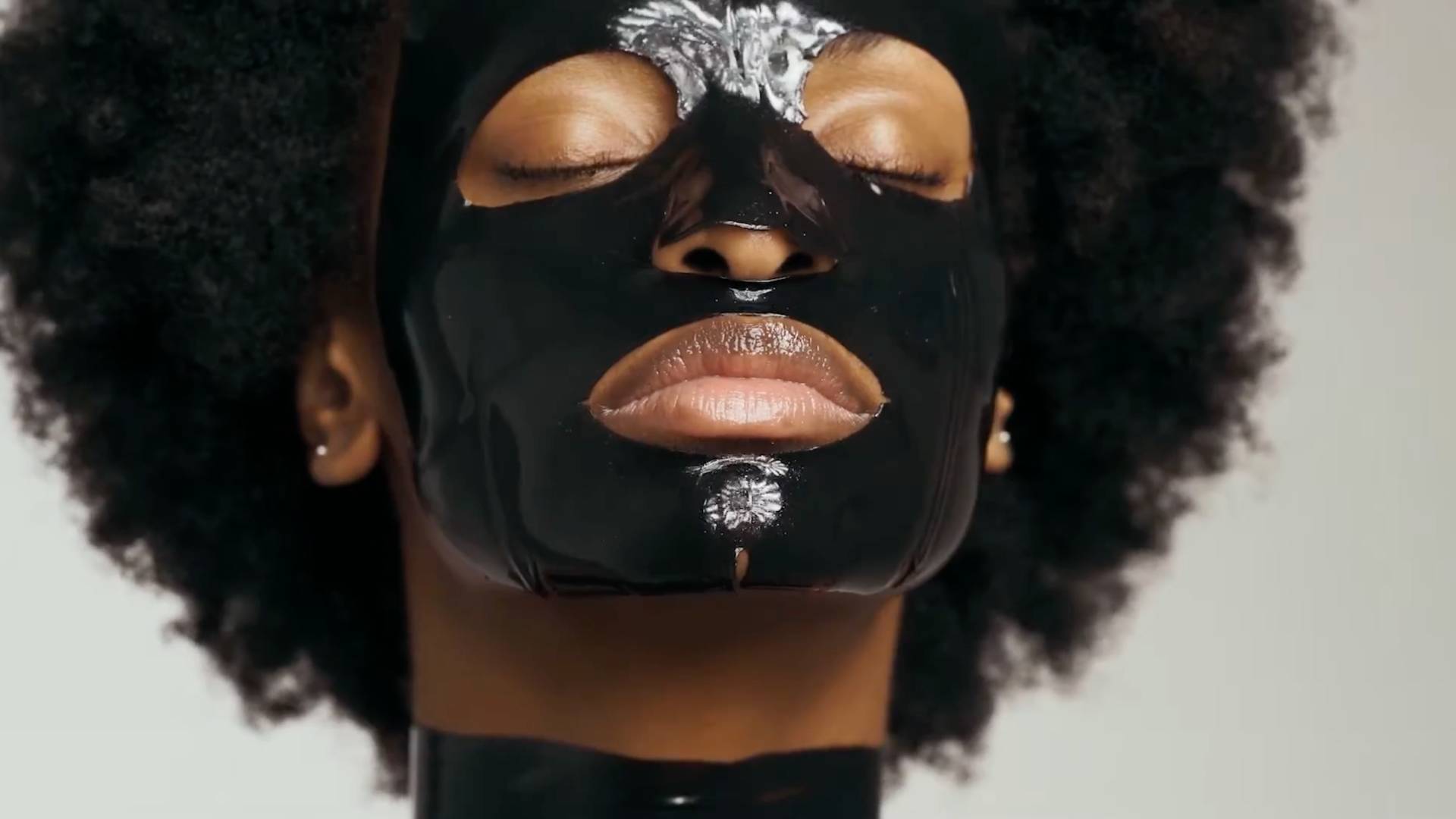
Editorial Fashion Cinematography: A London Cinematographer's Guide to Creating Cinematic Fashion Content
After more than twelve years behind the camera as a London videographer, I've witnessed the dramatic evolution of editorial fashion cinematography. What once was the exclusive domain of still photography has transformed into a dynamic visual language that brings fashion to life through motion, emotion, and cinematic storytelling. Today, editorial fashion cinematography represents the pinnacle of creative expression in the fashion industry, where artistry meets commercial excellence.
As a commercial cinematographer specialising in luxury brand content, I've had the privilege of working with renowned designers, emerging talents, and established fashion houses across London and beyond. Through this journey, I've developed a deep understanding of what separates exceptional editorial fashion films from merely beautiful footage. It's about capturing not just the garments, but the essence, the mood, and the story that transforms fabric into fantasy.
Understanding Editorial Fashion Cinematography
Editorial fashion cinematography differs fundamentally from commercial fashion videography. While commercial work focuses on selling products, editorial cinematography tells stories. It's about creating visual narratives that evoke emotion, establish mood, and showcase fashion as art form rather than commodity. According to WWD, the rise of digital platforms has dramatically increased demand for editorial fashion video content, with brands seeking more sophisticated visual storytelling approaches.
In my experience crafting content for luxury brands, editorial fashion cinematography serves multiple purposes. It builds brand prestige, creates aspirational content, and establishes emotional connections with audiences. Unlike straightforward product demonstrations, editorial work allows for creative interpretation, artistic expression, and conceptual depth that elevates fashion from mere clothing to cultural statement.
The Artistic Foundation
Every successful editorial fashion film begins with a strong conceptual foundation. I approach each project as a short film, complete with narrative arc, visual style, and emotional journey. The garments become characters in this story, brought to life through movement, lighting, and cinematographic techniques. This approach has proven invaluable in my Video Production Kelly campaigns, where we've successfully transformed product showcases into compelling visual narratives.
Pre-Production: The Blueprint for Cinematic Excellence
Successful editorial fashion cinematography demands meticulous pre-production planning. Unlike spontaneous street photography or documentary work, editorial fashion films require careful orchestration of multiple creative elements. My process begins months before cameras roll, starting with comprehensive creative development.
Concept Development and Mood Boarding
I begin every project by immersing myself in the brand's universe. What story do they want to tell? What emotions should the audience experience? What cultural or artistic references resonate with their aesthetic? These questions inform my mood board creation, which serves as the visual bible for the entire production. I draw inspiration from diverse sources, fine art, architecture, literature, music, to create unique visual languages for each project.
The mood board process involves extensive collaboration with creative directors, stylists, and designers. We examine colour palettes, lighting styles, movement qualities, and compositional approaches. This collaborative foundation ensures everyone shares the same creative vision before production begins.
Location Scouting and Set Design
Location selection can make or break editorial fashion cinematography. I've filmed in abandoned warehouses, historic London estates, minimalist studios, and natural landscapes, each chosen to support the narrative and complement the fashion. The location must enhance, not compete with, the clothing while providing visual interest and contextual relevance.
When working with luxury brands, I often collaborate with production designers to modify locations or create bespoke sets. This attention to environmental detail distinguishes professional editorial work from amateur fashion videos. Every element within the frame must serve the story and elevate the overall aesthetic.
Cinematographic Techniques for Fashion Storytelling
The technical execution of editorial fashion cinematography requires mastery of both traditional cinematographic principles and fashion-specific considerations. Through years of professional video production, I've developed techniques that consistently deliver compelling results while meeting the exacting standards of luxury fashion brands.
Camera Movement and Composition
Movement is the soul of fashion cinematography. I employ various camera techniques, from graceful dolly moves to dynamic handheld work, to showcase garments in motion. The key is matching camera movement to the clothing's characteristics. Flowing fabrics demand smooth, continuous movements, while structured pieces might benefit from more angular, architectural camera work.
Composition in fashion cinematography extends beyond traditional rule-of-thirds applications. I consider the garment's silhouette, texture, and design details when framing shots. Close-ups reveal fabric textures and construction details, while wider shots showcase the complete look and its interaction with the environment.
Lighting for Luxury Fashion Content
Lighting in editorial fashion cinematography serves both technical and artistic functions. Technically, it must accurately represent colours, textures, and details. Artistically, it creates mood, atmosphere, and visual drama. I've developed signature lighting approaches for different fashion categories, soft, ethereal lighting for romantic pieces, dramatic chiaroscuro for avant-garde designs, and clean, minimal lighting for contemporary minimalism.
Working as a London videographer, I've learned to maximise natural light opportunities while maintaining consistent quality throughout long shooting days. London's unique light quality, often overcast and diffused, creates beautiful, even illumination perfect for fashion work. However, I always supplement natural light with carefully placed artificial sources to ensure consistent results regardless of weather conditions.
Directing Models and Capturing Authentic Moments
Model direction in editorial fashion cinematography requires a delicate balance between choreographed movement and natural expression. Unlike still photography, where models hold poses, fashion cinematography captures movement, transition, and authentic moments between poses.
Movement Coaching and Performance
I work closely with models to develop movement vocabulary specific to each project. This might involve walking patterns that showcase garment flow, gestural sequences that convey emotion, or interactive moments with props or environment. The goal is creating movement that feels natural and unforced while effectively showcasing the fashion.
My approach draws from theatre and dance direction principles. I encourage models to inhabit characters rather than simply wear clothes. This psychological approach creates more compelling performances and results in footage with greater emotional resonance. Fashionista has noted the increasing importance of authentic performance in fashion video content, as audiences become more sophisticated in their consumption of branded content.
Capturing Spontaneous Moments
While editorial fashion cinematography involves significant planning, the best moments often occur spontaneously. I maintain constant readiness to capture unexpected gestures, expressions, or interactions that reveal authentic personality. These unguarded moments often become the most memorable elements of the final film.
This spontaneous capture technique has proven particularly valuable in my Fashion Lookbook Video Creation: A London Cinematographer's Complete Guide projects, where natural moments between styled shots often provide the most engaging content.
Post-Production: Crafting the Final Narrative
Post-production in editorial fashion cinematography extends far beyond basic editing. It's where individual shots transform into cohesive narrative, where pacing creates rhythm, and where technical excellence meets artistic vision.
Editorial Pacing and Rhythm
Fashion films require unique pacing considerations. Unlike narrative films with dialogue-driven scenes, fashion cinematography relies on visual rhythm and musical synchronisation. I approach editing like conducting an orchestra, accelerating during dynamic sequences, slowing for intimate moments, and creating visual crescendos that highlight key looks or moments.
The pacing must serve both aesthetic and commercial purposes. Viewers need sufficient time to appreciate garment details and styling, while maintaining engagement through varied shot lengths and transitions. This balance requires extensive experience and deep understanding of audience psychology.
Colour Grading and Visual Consistency
Colour grading in fashion work demands exceptional precision. Colours must remain true to the actual garments while supporting the overall aesthetic vision. I maintain detailed colour references throughout production to ensure post-production accuracy. This technical precision is particularly crucial when working with luxury brands, where colour fidelity directly impacts brand perception.
My colour grading process involves multiple stages, technical correction, creative enhancement, and final polish. I work with specialist colourists who understand fashion industry requirements and can achieve the subtle sophistication that distinguishes professional work from amateur content.
Working with Luxury Fashion Brands
Creating luxury brand content requires understanding the unique expectations and standards of high-end fashion houses. These brands invest significantly in their visual identity, demanding cinematography that reflects their positioning and values.
Brand Identity and Visual Consistency
Luxury fashion brands maintain strict visual guidelines encompassing everything from colour palettes to compositional styles. As a commercial cinematographer, I immerse myself in each brand's visual language, studying their advertising campaigns, runway presentations, and editorial work to understand their aesthetic DNA.
This research informs every creative decision, from initial concept development through final delivery. The resulting films must feel authentically connected to the brand while offering fresh creative perspectives. According to Harper's Bazaar, successful luxury fashion content balances brand consistency with creative innovation, avoiding both bland predictability and jarring departures from established identity.
Technical Standards and Delivery Requirements
Luxury fashion brands maintain exceptionally high technical standards. This extends beyond image quality to encompass sound design, motion graphics, and delivery specifications. I maintain state-of-the-art equipment and work with specialist post-production facilities to ensure every deliverable meets or exceeds client expectations.
The technical requirements often include multiple format deliverables, from high-resolution master files to social media optimised versions. Each format requires specific considerations regarding aspect ratios, compression settings, and platform-specific optimisations.
The Future of Editorial Fashion Cinematography
The landscape of editorial fashion cinematography continues evolving rapidly, driven by technological advancement and changing consumer behaviour. Virtual reality, augmented reality, and interactive content represent emerging frontiers, while traditional cinematographic excellence remains the foundation for all successful fashion films.
My experience has taught me that while technology evolves, fundamental principles of storytelling, visual composition, and emotional engagement remain constant. The most successful fashion cinematographers master both cutting-edge techniques and timeless artistic principles.
Working across diverse projects, from intimate fashion films to large-scale commercial productions like my Destination Wedding Filming: A London Cinematographer's Guide to Capturing Love Stories Worldwide, has reinforced the importance of adaptability while maintaining consistent quality standards.
Conclusion: Elevating Fashion Through Cinematic Excellence
Editorial fashion cinematography represents the convergence of artistic vision, technical mastery, and commercial understanding. It demands not only cinematographic skills but also deep appreciation for fashion, design, and cultural trends. Through years of dedicated practice and continuous learning, I've developed approaches that consistently deliver exceptional results for luxury fashion brands.
The key to success lies in treating each project as a unique creative challenge while applying proven methodologies and maintaining uncompromising quality standards. Whether creating intimate editorial pieces or large-scale commercial campaigns, the principles remain consistent: strong conceptual foundation, meticulous planning, excellent execution, and thoughtful post-production.
If you're seeking a London videographer with extensive experience in editorial fashion cinematography, I'd welcome the opportunity to discuss your next project. Together, we can create compelling visual narratives that elevate your brand and captivate your audience through the power of cinematic storytelling.
Frequently Asked Questions
What's the difference between editorial and commercial fashion cinematography?
Editorial fashion cinematography prioritises artistic storytelling and creative expression, often for magazines, portfolios, or brand prestige content. It focuses on mood, concept, and narrative rather than direct product promotion. Commercial fashion cinematography, while still creative, has clear sales objectives and typically showcases products more directly. Editorial work allows for greater artistic freedom and experimental approaches, while commercial work must balance creativity with measurable business outcomes.
How long does a typical editorial fashion film project take to complete?
A professional editorial fashion cinematography project typically requires 4-8 weeks from initial consultation to final delivery. This includes 1-2 weeks for concept development and pre-production planning, 1-3 days of principal photography (depending on complexity), and 2-4 weeks for post-production including editing, colour grading, and final delivery. Rush projects can be accommodated with adjusted timelines, though this may impact creative development time and overall production quality.
What should I expect to invest in professional editorial fashion cinematography?
Professional editorial fashion cinematography represents a significant investment that varies based on project scope, production complexity, and delivery requirements. Factors influencing cost include shoot duration, location requirements, cast and crew size, equipment specifications, and post-production complexity. I provide detailed quotes following creative consultation, ensuring complete transparency regarding all production elements. The investment typically reflects the extensive planning, premium equipment, and specialized expertise required to deliver luxury-standard content that effectively represents your brand.