Drone Videography in London: What It Really Takes to Get the Shot
CAA-certified drone cinematography in London demands more than a licence. Here is how I plan, fly, and deliver aerial footage that earns its place in high-end production.
London is one of the most visually rich cities on the planet. It is also one of the most legally complex places to fly a drone. After more than twelve years behind the camera and thousands of video deliveries, I can say with confidence that aerial cinematography is the discipline that separates a considered production from a rushed one. When it is done well, a single overhead shot can reframe an entire brand story. When it is done carelessly, it can ground a shoot before it starts.
LYSSA Episode 2 IF A MACHINE MADE IT, WHO BLED FOR IT? · More SwainUK projects
The film above, part of our LYSSA series with Finnish-born London artist Alisa Lyssa Rautio, is a good example of what I mean by considered production. Even when the subject matter is visceral and unconventional, every shot earns its position. Aerial work demands exactly that same discipline: intention over spectacle.
The CAA Certification Behind Every Legal London Drone Flight
I hold CAA A1 and A3 certification, which means I can legally operate commercially across the UK, the EU, and the UAE under the current Open Category rules. For London specifically, this matters enormously. The city sits within some of the most congested airspace in Europe. Heathrow, London City Airport, Gatwick, and Stansted all generate controlled airspace corridors that carve up the capital in ways that are not obvious from a street-level map.
Before any drone shoot in London, I check:
- NATS and NOTAM data for temporary airspace restrictions, particularly around events at Wembley, the O2, or central royal parks
- CAA Drone Assist and AirMap to confirm I am outside controlled or restricted zones
- Local authority permissions for shoots on council-managed land, which in London includes most riverside paths and public squares
- Wind and visibility forecasts because a drone that is technically legal to fly becomes a liability in gusts above 25 mph
This groundwork is not glamorous, but it is what allows me to show up on shoot day with confidence rather than excuses. A client hiring drone videography in London deserves certainty, not a last-minute cancellation because the operator did not check the airspace.
Integrating Aerial Footage Into a High-End Commercial Production
The biggest mistake I see with drone footage is treating it as a separate deliverable rather than as one layer within a cohesive visual language. An aerial shot of a venue or a product location should feel like it belongs to the same story as the close-up camera work. The colour grade, the movement speed, and the cut point all need to connect.
"On a shoot in East London last autumn, I held back from flying until the golden hour light hit a specific rooftop we had scouted two days before. The client wanted the drone in the air by 10 a.m. I explained that the shot at 10 a.m. would look like a Google Earth screengrab. The shot at 4:45 p.m. looked like cinema. We waited. That single frame opened the final cut."
Patience and preparation are the two things that separate drone footage worth cutting into a final film from footage that ends up on the hard drive. I always schedule a separate recce where possible, especially for London locations with unpredictable pedestrian density or changing light conditions caused by surrounding buildings.
For brand work, I think carefully about altitude and angle relative to the product or space. A low, sweeping reveal at four to six metres often reads as more luxurious than a high overhead shot because it keeps the viewer inside the world of the brand rather than looking down on it from a distance. That approach has worked particularly well in hotel and retail contexts where the architecture itself is part of the story.
Recent work for Aspinal of London defines refined English elegance #aspinaloflondon #swainuk · More SwainUK projects
The Aspinal of London work above is a strong reference point for how aerial and ground-level footage can sit together without one overshadowing the other. The brand identity is so rooted in refined English craft that every shot choice, from framing to movement speed, had to reflect that. Drone work in a context like this is about restraint as much as it is about capability.
What to Brief Your Drone Cinematographer Before the Shoot
A strong creative brief makes drone days significantly more efficient. If you are a creative director, event planner, or brand manager commissioning aerial work in London, these are the details that shape the outcome:
- The story you are telling. Is this an establishing shot for a campaign film, a hero aerial for social content, or coverage of a live event? Each has a different approach to altitude, movement, and timing.
- The location and ownership. Private land, public land, and managed venues all have different permission requirements. The earlier I know, the earlier I can confirm or find an alternative.
- Output format and aspect ratio. Vertical content for social requires a fundamentally different composition approach than a 2.39:1 cinematic cut.
- The rest of the production. Share the wider shot list so I can match the drone footage to the visual language of the ground-based camera work.
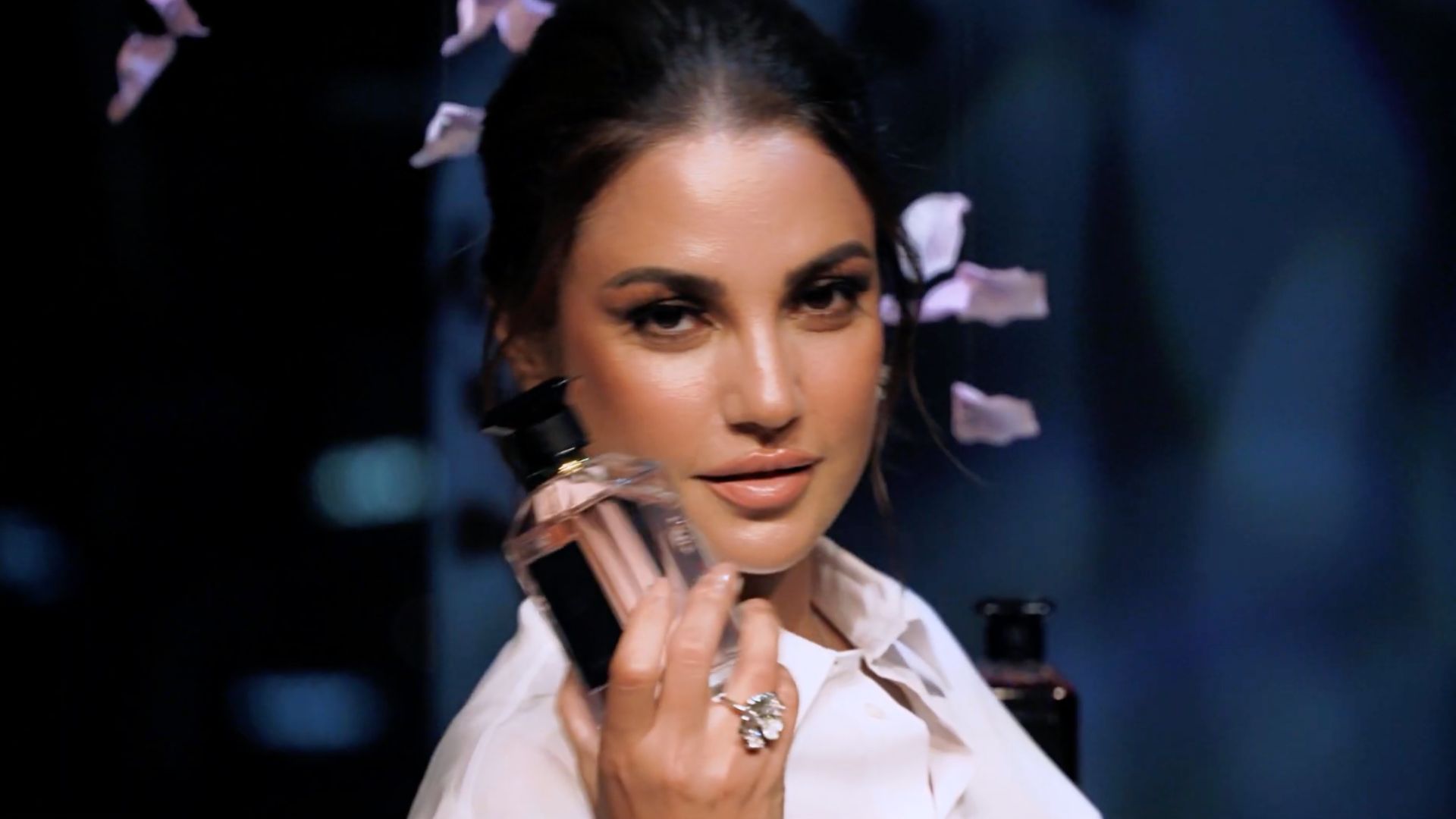
For Aspinal of London #productvideos · More SwainUK projects
This shorter Aspinal of London piece shows how product video and location footage can be cut together cleanly when the visual brief is consistent from the start. The same principle applies when aerial shots are part of the mix. Alignment at the brief stage saves hours in the edit.
Flying Across the UK, EU, and UAE
My drone work is not limited to London. I regularly shoot across the UK for commercial clients, and my CAA certification transfers to EU operations under EASA Open Category rules. For UAE shoots, I work with local operators to ensure full GCAA compliance, which is non-negotiable for commercial work in Dubai and Abu Dhabi. The creative principles travel just as well as the equipment.
If you are planning a production that includes aerial elements, whether that is a London brand film, a destination campaign, or an event that needs a signature overhead moment, I would rather be involved at the planning stage than brought in to rescue a brief that has already been over-promised.
Take a look at the full portfolio to see how aerial and ground-based cinematography work together across different sectors. When you are ready to talk through your production, the contact page is the fastest way to reach me directly.