Professional Drone Cinematography Tips: Mastering Aerial Video Production | London Cinematographer
Master professional drone cinematography with expert tips from London cinematographer Joshua Swain. Essential techniques for commercial and fashion aerial videography.
Professional Drone Cinematography Tips: Mastering Aerial Video Production
As a London videographer with over twelve years of experience in luxury commercial and fashion videography, I've witnessed the revolutionary impact of drone technology on our industry. From capturing sweeping establishing shots for high-end fashion campaigns to creating dynamic aerial sequences for luxury brand commercials, drone cinematography has become an indispensable tool in my creative arsenal.
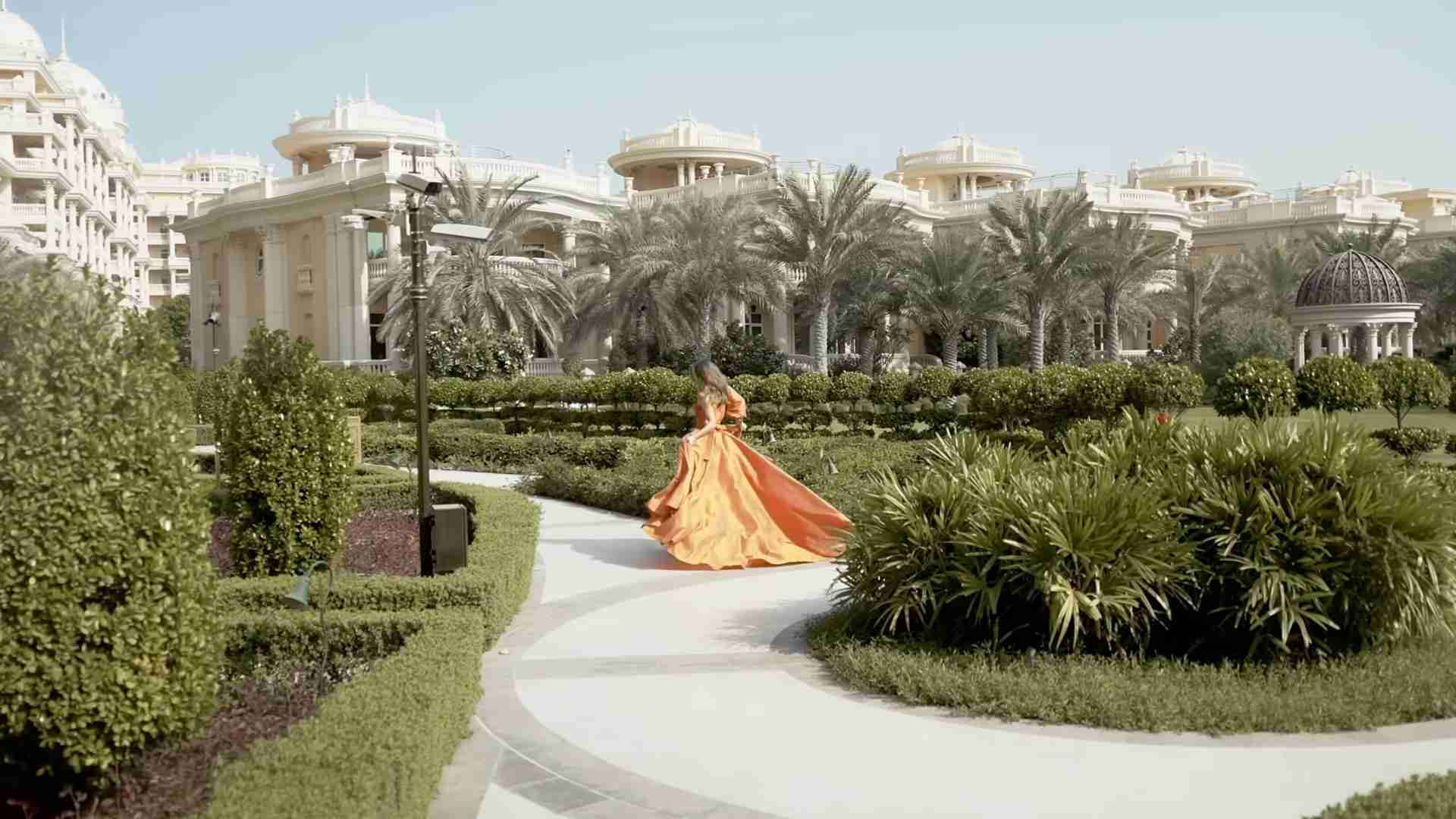
The evolution of drone cinematography has transformed how we approach visual storytelling, offering perspectives that were once exclusive to helicopter shoots with Hollywood budgets. Today, I'm sharing the professional techniques and insights I've developed through countless projects, including international campaigns like our Celine Commercial Dubai, where aerial cinematography played a crucial role in capturing the luxury brand's essence.
Understanding Professional Drone Equipment for Cinematography
The foundation of exceptional drone cinematography tips begins with understanding your equipment. Not all drones are created equal, and the distinction between consumer and professional-grade equipment becomes apparent the moment you begin serious commercial work.
Professional Drone Platforms
In my experience, the most reliable platforms for professional video production include the DJI Inspire series, the Freefly Alta series, and for more compact shoots, the DJI Mavic 3 Cine. Each platform serves different production needs, from intimate fashion shoots to large-scale commercial productions.
The camera payload is equally critical. I frequently work with cameras that match the quality standards of ground-based cinematography, including RED and ARRI systems. According to RED Digital Cinema, their compact cinema cameras have revolutionized aerial cinematography by delivering cinema-quality imagery in lightweight packages suitable for drone mounting.
Essential Camera Settings for Aerial Cinematography
Professional drone cinematography demands meticulous attention to camera settings. I always shoot in the highest quality format available, typically 4K or 6K resolution, even when the final delivery is 1080p. This approach provides crucial flexibility in post-production for stabilization, cropping, and color grading.
Frame rate selection depends on the creative intent. For luxury brand content, I often shoot at 24fps for that cinematic feel, but I'll capture at higher frame rates like 60fps or 120fps when planning slow-motion sequences that emphasize elegance and sophistication.
Pre-Production Planning: The Foundation of Professional Aerial Cinematography
Successful drone cinematography begins long before the aircraft leaves the ground. As a commercial cinematographer, I've learned that thorough pre-production planning distinguishes professional work from amateur footage.
Location Scouting and Legal Considerations
In London and throughout the UK, drone operations are heavily regulated. I always secure proper permissions through the Civil Aviation Authority (CAA) and coordinate with local air traffic control when necessary. This legal groundwork is non-negotiable for professional productions.
During location scouting, I use satellite imagery and mapping software to identify potential obstacles, flight restrictions, and optimal shooting positions. Weather patterns, sunrise/sunset times, and seasonal considerations all factor into the planning process.
Shot Planning and Storyboarding
Every drone sequence I create serves a specific narrative purpose. Whether I'm working on fashion videography or commercial content, each aerial shot must advance the story or enhance the emotional impact. I create detailed storyboards that specify camera movements, altitudes, and timing.
The integration of aerial footage with ground-based cinematography requires careful consideration. In my comprehensive guide on Fashion Lookbook Video Creation: A London Cinematographer's Complete Guide, I detail how aerial establishing shots set the tone for luxury fashion content.
Professional Flight Techniques and Camera Movements
The technical execution of drone cinematography separates professional work from amateur footage. Smooth, purposeful camera movements require both technical skill and artistic vision.
Mastering Smooth Camera Movements
Professional drone cinematography tips emphasize the importance of gradual, controlled movements. Abrupt changes in direction or speed immediately identify amateur work. I program all my movements with gentle acceleration and deceleration curves, creating organic motion that feels natural to viewers.
The most effective aerial movements often combine multiple axes of motion. A rising shot that simultaneously moves forward and pans slightly creates more dynamic and engaging footage than simple vertical or horizontal movements.
Advanced Flight Patterns for Cinematic Impact
Specific flight patterns have become signature moves in professional cinematography:
- The Reveal: Starting close to a subject and pulling back to reveal the broader context
- The Approach: Beginning wide and moving closer to create intimacy
- The Orbit: Circling a subject while maintaining focus, perfect for showcasing architecture or landscapes
- The Parallax: Flying parallel to foreground elements to create depth and movement
Each technique serves different storytelling purposes and emotional goals. For luxury brand work, I often favor movements that emphasize scale, elegance, and sophistication.
Technical Excellence: Camera Settings and Image Quality
Achieving broadcast-quality results from drone cinematography requires understanding both the technical capabilities and limitations of aerial platforms.
Exposure and Color Management
Proper exposure in aerial cinematography presents unique challenges. The contrast between sky and ground can exceed the dynamic range of most camera sensors. I use graduated neutral density filters when possible and always shoot in log formats to maximize post-production flexibility.
Color temperature consistency becomes crucial when matching aerial footage with ground-based cameras. I maintain detailed notes on white balance settings and lighting conditions throughout the shoot.
Focus and Depth of Field Considerations
Unlike ground-based cinematography, drone work typically requires everything in focus due to the distances involved. However, understanding hyperfocal distance principles helps ensure maximum sharpness throughout the frame.
For specialized shots requiring shallow depth of field, I use longer focal length lenses when the drone platform permits, creating beautiful isolation effects for specific subjects.
Safety Protocols and Professional Standards
Professional drone operations prioritize safety above all else. My experience in professional video production has taught me that comprehensive safety protocols protect both people and equipment while ensuring smooth production workflows.
Pre-Flight Safety Procedures
Every flight begins with systematic pre-flight checks. I inspect all aircraft systems, verify GPS signal strength, check battery levels, and confirm communication links. Weather conditions receive particular attention, wind speeds, visibility, and precipitation all affect flight safety and image quality.
I maintain constant communication with ground crew and talent during flights, using established protocols similar to those I employ in Multicamera Event Coverage: A London Cinematographer's Guide to Professional Video Production.
Risk Management and Insurance
Professional drone operations require comprehensive insurance coverage and risk assessment protocols. I carry specialized drone insurance and maintain detailed flight logs for every operation. This documentation proves invaluable for both insurance purposes and continuous improvement of safety procedures.
Post-Production Workflow for Drone Footage
The post-production phase of drone cinematography requires specialized techniques to maximize the potential of aerial footage.
Stabilization and Color Correction
Even with professional gimbals, aerial footage often benefits from additional stabilization in post-production. I use advanced stabilization algorithms that analyze the entire frame, not just tracking points, to achieve perfectly smooth results.
Color correction for aerial footage requires understanding atmospheric effects and color shifts that occur at different altitudes and distances. According to ARRI's professional cinematography resources, proper color management workflows ensure consistency between aerial and ground-based footage.
Integration with Ground-Based Footage
Seamlessly blending aerial and ground-based footage requires matching not just color and exposure, but also movement characteristics and emotional tone. I often apply subtle motion blur or adjust frame rates to ensure consistent visual flow throughout the final edit.
PremiumBeat's video production resources provide excellent guidance on advanced editing techniques that enhance the integration of aerial footage into larger productions.
Creative Applications in Commercial and Fashion Videography
The creative possibilities of drone cinematography extend far beyond simple establishing shots. In fashion videography and commercial work, aerial perspectives can transform ordinary scenes into extraordinary visual experiences.
Fashion and Luxury Brand Applications
For luxury fashion content, drone cinematography adds scale and grandeur that elevates brand perception. I've used aerial shots to showcase fashion in architectural contexts, create dramatic reveals of models in stunning locations, and establish the luxury lifestyle associated with high-end brands.
The key lies in using aerial perspectives to support the brand narrative rather than simply showing off technical capabilities. Every aerial shot must contribute to the overall story and emotional journey of the viewer.
Commercial and Corporate Applications
In commercial videography, drones provide cost-effective solutions for shots that previously required expensive helicopter rentals. However, the real value lies in the creative possibilities these platforms unlock, intimate aerial movements, precise positioning, and the ability to capture multiple takes without astronomical costs.
Future Trends and Technology Developments
The drone cinematography landscape continues evolving rapidly. Emerging technologies like improved autonomous flight modes, enhanced camera stabilization systems, and AI-assisted flight path planning are transforming what's possible in aerial cinematography.
As a London videographer working with international luxury brands, staying ahead of these technological developments ensures my clients receive cutting-edge visual content that sets their brands apart in competitive markets.
Frequently Asked Questions About Professional Drone Cinematography
What drone equipment do you recommend for professional cinematography work?
For professional commercial and fashion videography, I recommend starting with platforms like the DJI Inspire 2 or Freefly Alta series, paired with high-quality cinema cameras. The investment in professional-grade equipment pays dividends in image quality, reliability, and creative capabilities. Consumer drones like the Mavic series can work for certain applications, but they lack the camera quality and customization options required for luxury brand work.
How do weather conditions affect drone cinematography shoots?
Weather significantly impacts both safety and image quality in drone operations. Wind speeds above 25 mph make stable cinematography nearly impossible, while rain and fog create safety hazards and reduce visibility. I always monitor weather forecasts closely and maintain backup dates for critical shoots. Golden hour shooting requires particularly careful timing, as weather conditions can change rapidly during these brief optimal lighting windows.
What are the most important legal considerations for commercial drone work in the UK?
Commercial drone operations in the UK require proper CAA permissions and adherence to strict airspace regulations. I maintain current commercial drone pilot certifications and always secure appropriate permissions before flying. Insurance coverage is mandatory, and flight logging helps demonstrate compliance with regulations. Working near airports, over crowds, or in restricted airspace requires additional permissions that must be obtained well in advance of shooting dates.
Mastering professional drone cinematography requires combining technical expertise with creative vision and unwavering attention to safety. The techniques I've shared here represent years of experience working with luxury brands and high-end commercial clients who demand nothing less than perfection.
If you're planning a commercial or fashion video project that could benefit from professional aerial cinematography, I'd welcome the opportunity to discuss how these techniques can elevate your brand's visual storytelling. Contact SwainUK today to explore how professional drone cinematography can transform your next video production into something truly extraordinary.