Corporate Event Cinematography: What Great Footage Actually Takes
Corporate events deserve more than a static camera in the corner. Here is how I approach every shoot to deliver footage that genuinely works for your brand.
Most corporate events are gone in a matter of hours. The speeches, the energy in the room, the candid moments between guests, the product reveal that took six months to plan. Once the venue clears, none of that exists anymore unless a camera was in the right place at the right time. That is the job. Not simply recording what happens, but building a film that carries the weight and atmosphere of the occasion long after the night ends.
I have been shooting corporate events in London and across the UK for over twelve years. The brief changes, the venues change, the clients change. But the fundamentals of what makes event cinematography actually work do not.
L’Atelier Five - Opera Gallery event · More SwainUK projects
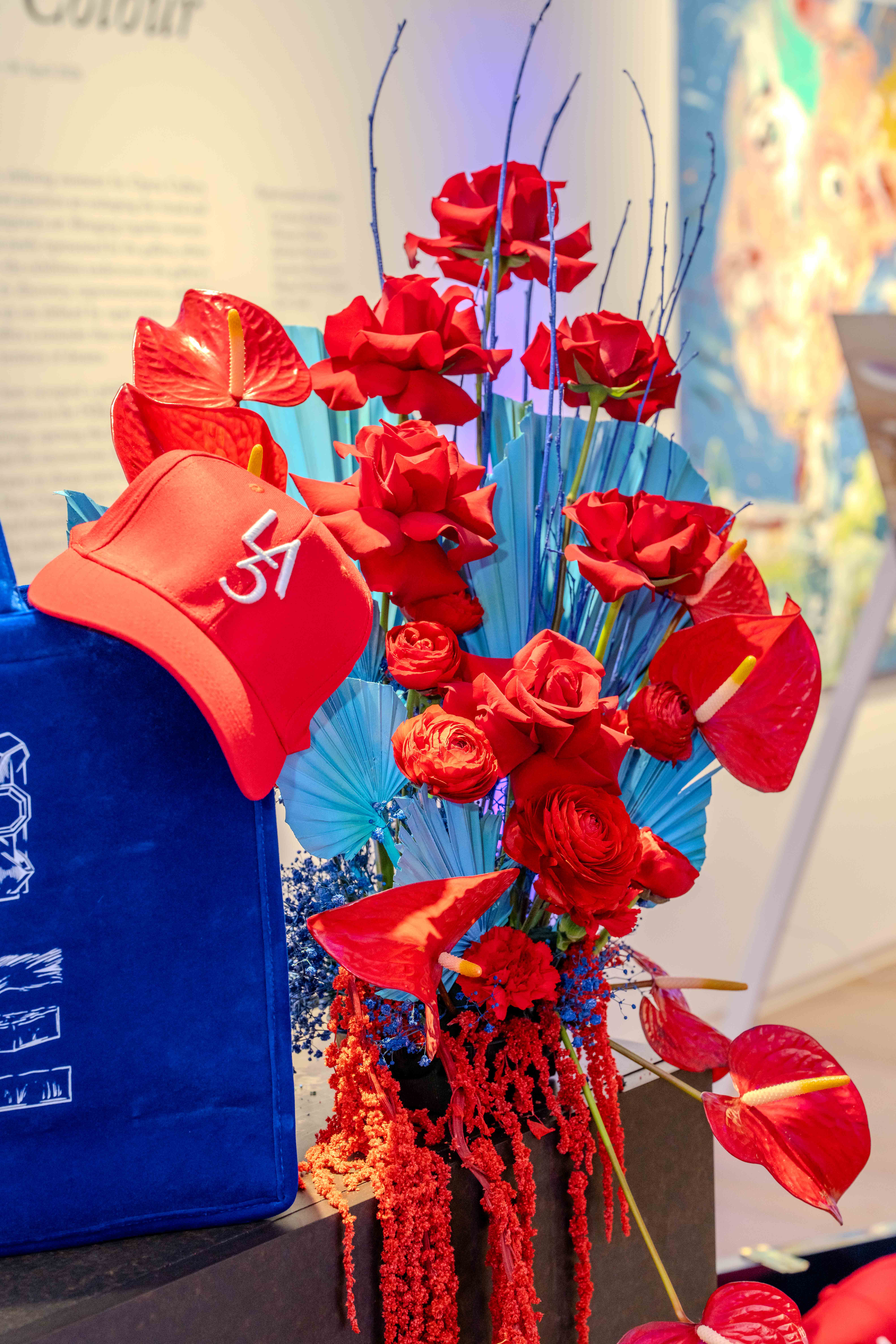
The film above is from the L'Atelier Five event at Opera Gallery in London. Watch how the pace of the edit mirrors the rhythm of the evening itself: unhurried at the open, building through the crowd sequences, landing on the details that give the space and brand their character. That pacing is not accidental. It is the result of careful planning before a single frame is shot, and disciplined editing decisions afterwards. You can see the full project in the L'Atelier Five gallery.
Pre-Production Is Where the Film Is Made
Every conversation I have with a new corporate client eventually circles back to the same question: what do you want this film to do? That sounds simple. It rarely is. A film for internal comms has a completely different structure to one designed for social distribution. A highlight reel for a product launch needs different pacing to a documentary-style record of a company milestone dinner.
Getting that clarity before the shoot day means I arrive with a shot list, a run of show, and a clear sense of the moments that cannot be missed. For gallery and brand events like the L'Atelier Five project, that means knowing when the doors open, when the key principals will speak, and which details, the installations, the signage, the product itself, anchor the visual story.
- Run of show: I always request this at least 48 hours in advance. It tells me where to be and when.
- Venue recce: Where possible, I walk the space beforehand to assess ambient light, acoustics for audio capture, and bottlenecks where guests will naturally gather.
- Key contacts: On the day, I need one point of contact who can tell me when timings shift. They always do.
- Brand assets: Logos, colour palettes, and any existing brand films help me align the edit to the visual language the client already owns.
On the Day: Movement, Light, and the Art of Disappearing
The best event cinematography is invisible to the guests. If people are watching the camera operator, the camera operator is in the wrong place. My approach is to work with a small, experienced team. Two cameras at most for the majority of corporate events. We move quietly, we communicate without walkie-talkies in the room, and we make editorial decisions in real time.
At a private dinner for a luxury watchmaker in Mayfair, the host made an unscheduled toast midway through the starter course. No warning, no microphone. I was three metres away with a 50mm on a gimbal. I had maybe four seconds to reframe and get close enough to capture the audio cleanly on the on-camera mic. That kind of moment is why I never fully relax during an event. You are always half-watching the room, reading the energy, anticipating what comes next. The shot made the final cut. The client used it as the centrepiece of their recap film.
Lighting at corporate events is notoriously difficult. Venues are lit for atmosphere, not for cameras. I work with whatever is available and supplement carefully when the brief allows it. A single well-placed LED panel can lift an interview setup without making a speaker feel like they are on a film set. For event coverage itself, I favour fast primes and cinema glass that can breathe in low light without introducing the visual noise that kills a premium feel in the grade.
The Edit: Telling a Story With Someone Else's Evening
Raw event footage is not a film. The edit is where the story gets built. For corporate clients, that story usually needs to do several things at once: communicate the brand, capture the atmosphere, and give stakeholders something they are proud to share.
My edits follow a clear structure. An opening that establishes place and mood. A middle that carries the event's key moments with proper context. A close that lands with something memorable, a line from a speech, a detail shot, a wide of the room at its fullest. That arc applies whether the final film is ninety seconds or six minutes.
Colour grading for corporate work leans cleaner than my beauty or fashion projects. Brands have equity in their visual identity, and a grade that wanders too far from their palette creates a disconnect even if viewers cannot name it. I always send a grade reference before delivering a first cut for client review.
What to Look for When Choosing a Corporate Cinematographer
- A portfolio that includes real events at comparable scale and setting to yours
- Evidence of clean audio capture, not just visuals
- A clear production process with defined delivery timelines
- Someone who asks questions about your objectives before talking about kit
- Experience with discretion. High-end corporate events often involve guests who do not want to appear on camera without consent
These are not abstract standards. They are the things that separate a professional production from a well-meaning one that delivers footage nobody uses.
Why This Work Matters for Your Brand
A well-produced corporate event film extends the life of your event by months. It becomes recruitment material, investor content, social proof, and internal culture documentation. The return on a properly produced film is almost always higher than the cost of producing it, because the asset keeps working long after the caterers have packed up.
For brands operating at the level of the clients I work with, the film is also a statement. It tells your network the kind of organisation you are and the standard you hold yourself to. A shaky, poorly lit event recap does the opposite of what you intend.
If you are planning a corporate event and want to talk through what a proper cinematography brief looks like, I am happy to have that conversation. Browse the full portfolio to see the range of commercial and event work I have delivered, or get in touch directly with your brief and dates. I work across London, the UK, the EU, and the UAE, and I take on a limited number of event projects each quarter to make sure every one gets the attention it deserves.