Commercial Shoot Lighting: A London Cinematographer's Guide to Professional Video Production
Master commercial shoot lighting techniques from a London cinematographer with 12+ years experience. Essential guide for luxury brand content and fashion videography.
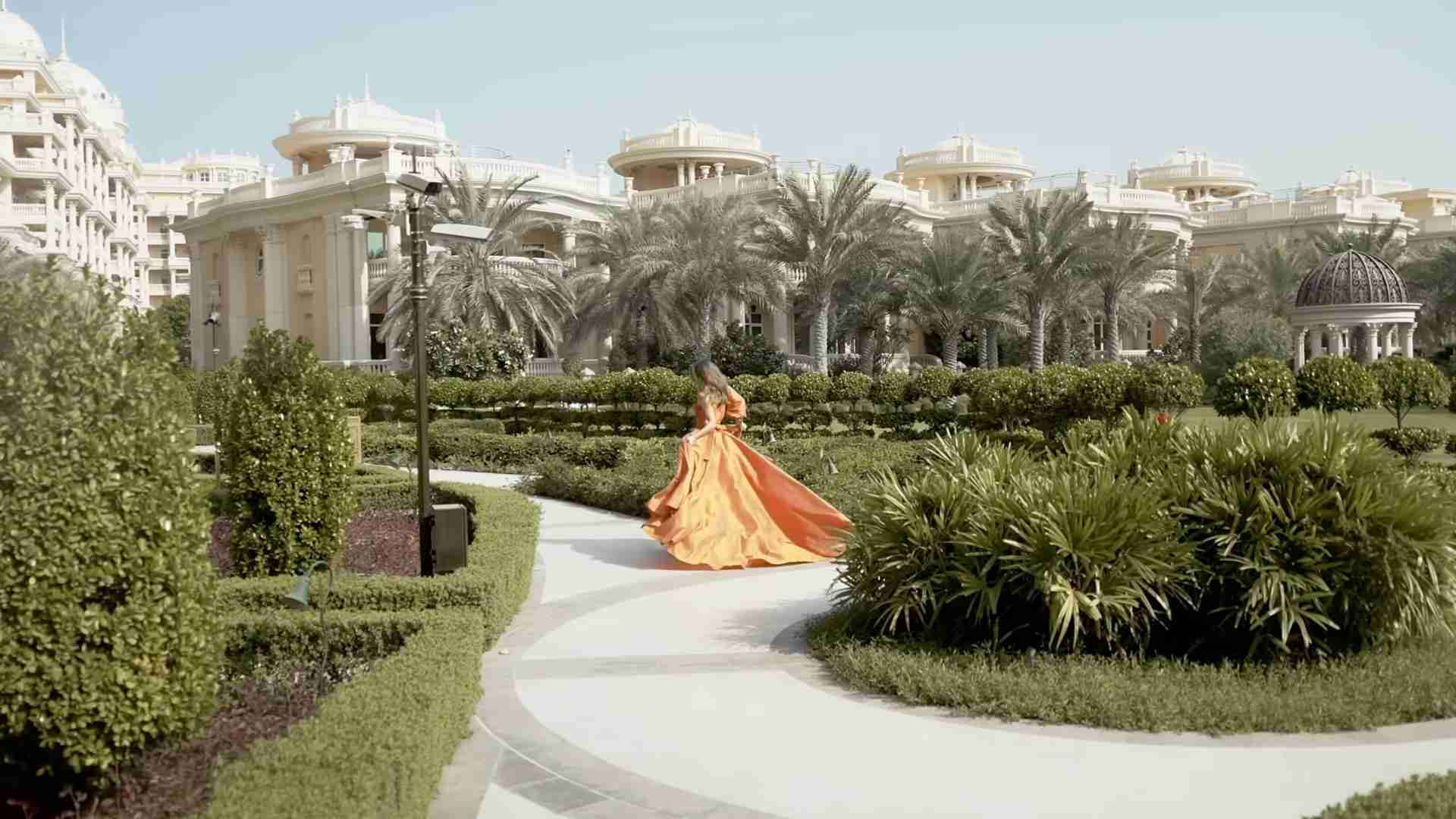
Commercial Shoot Lighting: A London Cinematographer's Guide to Professional Video Production
After twelve years behind the camera creating commercial shoot lighting setups for luxury brands across London and beyond, I've learned that exceptional lighting isn't just about technical proficiency, it's about understanding the story your brand wants to tell. Whether I'm crafting intimate jewelry campaigns in Dubai or directing high-energy fashion content in London studios, the principles of commercial lighting remain my foundation for creating compelling visual narratives.
Throughout my career as a London videographer, I've witnessed how proper lighting can transform ordinary products into extraordinary brand statements. Today, I want to share the techniques and insights that have helped me deliver award-winning content for discerning clients who demand nothing less than perfection.
Understanding the Fundamentals of Commercial Lighting
Commercial lighting differs fundamentally from other forms of cinematography because every decision must serve the brand's message. Unlike narrative filmmaking, where lighting might create mood or atmosphere for storytelling purposes, commercial cinematographer lighting must enhance product appeal while maintaining brand consistency.
The foundation of any successful commercial shoot begins with understanding your subject matter. When I approach a new project, I consider three critical elements: the product's inherent characteristics, the brand's visual identity, and the target audience's expectations. These factors determine whether I'll employ high-key lighting for a clean, modern aesthetic or dramatic contrast lighting for a more premium, exclusive feel.
The Three-Point Lighting System in Commercial Context
While the traditional three-point lighting system forms the backbone of commercial work, I've adapted it specifically for luxury brand content creation. The key light establishes the primary mood and reveals essential product details. For luxury items, I typically position this light to create subtle gradations across surfaces, avoiding harsh shadows that might detract from the product's appeal.
The fill light requires careful consideration in commercial work. Too much fill creates flat, uninspiring imagery, while too little can obscure important product features. I've found that maintaining a 2:1 or 3:1 ratio between key and fill provides enough contrast to create visual interest without compromising product visibility.
Advanced Lighting Ratios for Brand Differentiation
Different brands require different lighting approaches. Minimalist luxury brands often benefit from higher key lighting with subtle shadows, while heritage brands might call for more dramatic contrast ratios. I adjust my lighting ratios based on extensive pre-production discussions with clients, ensuring every setup reflects their brand values.
Equipment Selection for Professional Commercial Shoots
My lighting arsenal has evolved significantly over the years, guided by the demanding requirements of professional video production. I rely primarily on LED panel systems for their color accuracy and heat management, crucial factors when working with delicate products or in confined spaces.
For key lighting, I frequently use ARRI SkyPanel systems, which provide exceptional color rendering and dimming capabilities. According to ARRI's technical resources, these fixtures deliver industry-leading color accuracy, essential for luxury product representation.
Specialty Lighting Tools for Product Work
Commercial work often demands specialized equipment beyond standard lighting kits. Ring lights prove invaluable for jewelry and cosmetics, providing even illumination that eliminates unwanted shadows in reflective surfaces. For larger products, I employ soft boxes ranging from 2x3 feet to 4x6 feet, depending on the subject size and desired light quality.
Reflectors and diffusion materials play equally important roles. I carry an extensive collection of bounce materials, from silver reflectors for added contrast to white foam core for gentle fill lighting. The choice of diffusion material, whether silk, grid cloth, or specialized diffusion gels, significantly impacts the final image quality.
Lighting Techniques for Different Commercial Applications
Fashion Videography Lighting Approaches
When creating fashion videography content, I adapt my lighting approach based on the clothing's characteristics and the intended brand message. Flowing fabrics require different treatment than structured garments, and each presents unique challenges for maintaining detail and texture.
For fashion work, I often employ large, soft light sources positioned at strategic angles to reveal fabric texture while minimizing harsh shadows that might distract from the garment's silhouette. This approach has proven successful in projects like my comprehensive Fashion Lookbook Video Creation: A London Cinematographer's Complete Guide to Luxury Brand Content, where I detail specific techniques for various fashion applications.
Product Lighting for Reflective Surfaces
Jewelry and luxury accessories present some of the most challenging lighting scenarios in commercial work. Reflective surfaces can create unwanted hotspots or reveal lighting equipment in the final image. My approach involves using large, diffused light sources positioned to create controlled reflections that enhance rather than detract from the product.
During my recent work on a Jewelry Editorial Dubai project, I employed a combination of softboxes and carefully positioned mirrors to create elegant reflections that highlighted the jewelry's facets while maintaining clean, professional imagery. The technique requires patience and precision but delivers exceptional results for discerning luxury brands.
Automotive and Large Product Lighting
Large products require scaled lighting solutions that maintain consistency across the entire subject. For automotive work, I use multiple light sources positioned at varying distances to ensure even illumination while preserving the vehicle's dimensional qualities. This often involves mixing daylight-balanced LED panels with practical lighting to create natural-looking results.
Color Temperature and Brand Consistency
Color temperature control is crucial in commercial work, where brand colors must reproduce accurately across different viewing platforms. I calibrate all lighting to precise color temperatures, typically 5600K for daylight scenarios or 3200K for tungsten-balanced setups, ensuring consistency throughout the production process.
Mixed lighting scenarios require careful attention to color correction. When combining practical lights with artificial lighting, I use color temperature meters to match sources precisely. This attention to detail ensures that product colors remain true to brand specifications, crucial for maintaining brand integrity across marketing channels.
Working with Existing Light Sources
Location shoots often require integrating artificial lighting with existing ambient light. I've developed techniques for balancing window light with LED panels, creating natural-looking results that don't appear artificially lit. This approach works particularly well for lifestyle commercials where products appear in realistic environments.
The key lies in understanding the color temperature and intensity of existing light sources, then matching artificial lights accordingly. Resources like StudioBinder's production guides provide excellent technical information for managing complex lighting scenarios.
Advanced Lighting Control Techniques
Dimming and Intensity Control
Precise control over light intensity allows for subtle adjustments that can dramatically impact the final image. I use both practical dimming controls and neutral density filters to achieve exact lighting ratios. This level of control proves essential when working with products that have varying reflectivity or when matching lighting across multiple camera angles.
Modern LED systems offer sophisticated dimming capabilities without color shift, a significant advantage over traditional tungsten systems. This consistency allows for real-time adjustments during filming without requiring color correction in post-production.
Movement and Dynamic Lighting
Commercial content increasingly demands dynamic lighting that enhances visual interest without distracting from the product. I employ subtle lighting movements, gentle fades, color temperature shifts, or intensity changes, to create visual rhythm that supports the commercial's pacing.
These techniques require careful coordination with camera movement and post-production planning. The lighting design must support the overall visual narrative while maintaining focus on the commercial's key messages.
Technical Considerations and Problem-Solving
Heat Management and Equipment Safety
Professional commercial shoots often run for extended periods, making heat management critical for both equipment longevity and crew comfort. LED lighting systems generate significantly less heat than traditional tungsten lights, allowing for longer shooting sessions without equipment breaks or temperature-related issues.
Safety protocols become paramount when working with high-powered lighting equipment. I ensure all electrical connections are properly secured and that heat-sensitive products are protected from potential damage. This attention to detail prevents costly delays and ensures professional results.
Power Requirements and Distribution
Commercial lighting setups often demand significant electrical power, requiring careful planning and professional electrical distribution. I work with certified electricians when necessary, ensuring all installations meet safety standards while providing reliable power for consistent lighting throughout the shoot.
Backup power systems prove essential for critical commercial shoots where delays could cost thousands of dollars. I maintain redundant power supplies and backup lighting options to ensure continuity regardless of technical challenges.
Integration with Camera and Lens Selection
Lighting design must complement camera and lens choices to achieve optimal results. My approach to Lens Selection for Commercials: A Professional Cinematographer's Guide to Creating Luxury Brand Content considers how different focal lengths interact with lighting setups, ensuring cohesive visual results across all technical elements.
Wide-angle lenses may reveal lighting equipment at the frame edges, requiring careful positioning and flagging. Telephoto lenses compress background elements, potentially affecting background lighting separation. Understanding these interactions ensures seamless integration between lighting design and camera work.
Post-Production Lighting Considerations
Proper lighting technique reduces post-production requirements while providing flexibility for final color grading. I expose footage with sufficient latitude for color correction while maintaining clean shadows and highlights that preserve detail throughout the tonal range.
Communication with post-production teams ensures lighting decisions support the final delivery requirements. Different distribution platforms may require adjusted color spaces or contrast ratios, considerations I incorporate into the original lighting design.
According to industry resources like No Film School, proper on-set lighting technique significantly reduces post-production costs while improving final image quality, making it a crucial investment in commercial production value.
Frequently Asked Questions
What's the most important lighting consideration for luxury brand commercials?
Color accuracy and consistency are paramount for luxury brands. Every lighting decision must preserve brand colors exactly as specified, ensuring the product appears identical across all marketing materials. I use calibrated monitors and color temperature meters to maintain precise standards throughout production, because luxury brands can't afford color inconsistencies that might dilute their brand identity.
How do you handle reflective products without showing lighting equipment?
Reflective products require large, diffused light sources positioned outside the reflection angles visible to camera. I use oversized softboxes, bounce cards, and sometimes tented lighting setups that completely surround the product with controlled light. The key is creating attractive reflections that enhance the product's appeal rather than revealing the technical setup behind the shot.
What lighting equipment is essential for starting commercial videography?
I recommend starting with a basic LED panel kit, several softboxes in different sizes, and a good selection of reflectors and diffusion materials. Quality matters more than quantity, invest in color-accurate LED panels from reputable manufacturers rather than purchasing numerous cheap fixtures. Add specialty items like ring lights or spot lights as your client base grows and demands more specialized lighting solutions.
Creating exceptional commercial content requires more than technical expertise, it demands an understanding of brand values, audience expectations, and the subtle art of visual storytelling through light. Whether you're planning a luxury product launch or a comprehensive brand campaign, the right lighting approach can transform good content into extraordinary brand experiences.
Ready to elevate your brand's visual content with professional commercial lighting? Contact SwainUK today to discuss how my expertise in commercial cinematography can bring your brand vision to life with the precision and luxury appeal your audience expects.