Client Collaboration Tips from a London Commercial Cinematographer | SwainUK
Discover professional client collaboration tips from a London videographer with 12+ years crafting luxury brand content and fashion videography.
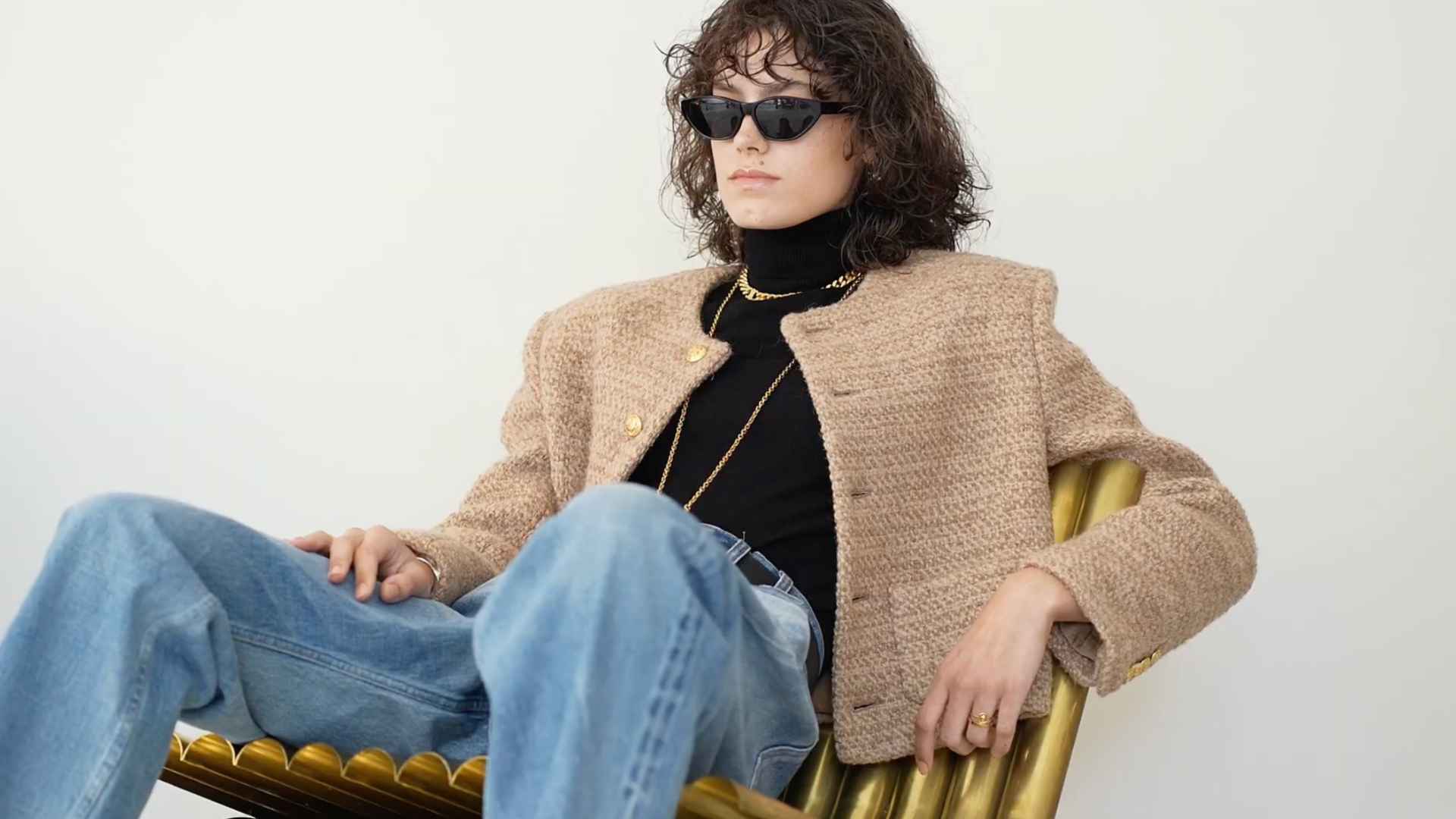
Client Collaboration Tips: How I Build Trust as a London Commercial Cinematographer
Over the past 12 years working as a commercial cinematographer in London, I've learned that the difference between a good production and a genuinely exceptional one rarely comes down to equipment. It comes down to collaboration. I've shot campaigns with brands who trusted me implicitly from the first call, and I've worked with clients where every decision felt like pulling teeth. The projects that end up on my showreel, the ones that actually move the needle for luxury brands, are almost always the ones where collaboration was built into the process from day one.
This post is a practical breakdown of how I approach client collaboration tips that consistently produce better creative outcomes, smoother shoot days, and long-term relationships with brands across fashion, hospitality, and luxury retail. Whether you're a brand manager preparing to commission your first piece of professional video production, or a fellow filmmaker refining your own client process, I hope this gives you something useful.
Why Collaboration Matters More Than Technical Skill Alone
I say this as someone who genuinely loves the technical side of the craft, I could talk about ARRI sensor colour science or RED's compression algorithms all day. But technical mastery only gets you halfway there. The other half is understanding what a client actually needs, which is often different from what they initially ask for.
Luxury brands in particular are protective of their identity. A fashion house doesn't just want "a nice video", they want something that captures a very specific feeling, one that's been cultivated over years of brand positioning. My job as a London videographer is to translate that feeling into moving image, and I can't do that without genuine dialogue.
The Cost of Poor Communication
I've seen productions where a lack of upfront collaboration led to reshoots, blown budgets, and damaged client relationships. A missed conversation about brand guidelines, tone, or even something as simple as which products need hero shots can derail an entire shoot day. In my experience, every hour spent in pre-production dialogue saves roughly three hours on set.
My Five-Stage Collaboration Framework
Over the years I've refined a repeatable process that I use with nearly every client, from independent fashion labels to established luxury retailers. It's not rigid, every brand is different, but the structure keeps everyone aligned.
1. Discovery Calls Before Anything Else
Before I even think about lenses or locations, I want to understand the brand's world. What's the campaign trying to achieve commercially? Who is the target customer? What has worked (or flopped) in previous content? This is where I ask a lot of questions and do very little talking.
2. Visual Reference Boards
Words are subjective, one person's "moody" is another person's "dark and unusable." I build shared mood boards with reference stills and film clips so we're speaking the same visual language before a single frame is shot. This step alone eliminates most miscommunication.
3. Treatment and Shot List Alignment
I send a written treatment outlining narrative approach, shot types, lighting direction, and pacing. Clients review and annotate it directly. This becomes our shared contract for the shoot day, and it means nobody is surprised on set.
4. On-Set Communication Rhythm
During the shoot itself, I build in regular playback moments so clients can see selects in real time rather than waiting until the edit. This is especially important for fashion videography, where subtle shifts in movement, fabric, or lighting can make or break a shot.
5. Structured Feedback in Post-Production
I limit review rounds to two structured passes with clear, timestamped notes. This keeps the edit moving forward rather than circling endlessly, which is a common pitfall I've seen in less structured productions.
Setting Expectations Early: Budget, Timeline, and Creative Scope
One of the most valuable client collaboration tips I can offer is this: have the uncomfortable conversations early. Budget constraints, delivery timelines, and usage rights should be discussed in the very first meeting, not halfway through pre-production. Clients respect transparency, and it prevents scope creep later.
Usage Rights and Deliverables
Luxury brands often need content across multiple platforms, a 60-second hero film, 15-second social cutdowns, stills for print. I map out every deliverable upfront so post-production doesn't become a moving target.
Realistic Timeline Planning
High-end colour grading and sound design take time. I always build buffer days into my schedule, particularly for projects requiring RAW workflows on RED Digital Cinema systems, where file management and grading can be more involved than standard delivery formats.
Tools That Make Collaboration Easier
Technology has genuinely transformed how I work with clients, especially those based outside London or juggling packed schedules.
Shared Digital Workspaces
I use shared folders with version-controlled treatments, storyboards, and shot lists so clients always have the latest documents without digging through email threads.
Remote Monitoring and Live Streaming
For clients who can't attend a shoot in person, I set up secure live video feeds so stakeholders can watch playback remotely and give real-time direction. This has been a genuine game-changer for international luxury brands working with a London videographer from overseas.
Annotated Review Platforms
Frame-accurate commenting tools mean feedback like "the model's expression at 0:14 feels flat" replaces vague notes like "can we make it feel more alive?" This precision saves enormous amounts of back-and-forth.
Collaborating on Set: Practical Etiquette
Good collaboration isn't only about pre-production planning, it's also about how everyone behaves on the day itself.
Respecting the Creative Chain of Command
On a fashion shoot, there are often multiple stakeholders, brand marketing, creative director, stylist, and sometimes the talent's own team. I always establish a single point of creative approval before the shoot starts, so competing feedback doesn't stall production. I've written more about the dynamics of a shoot day in my Behind the Scenes Fashion Shoots guide, which goes deeper into how a well-run set actually operates.
Encouraging Client Presence Without Micromanagement
I welcome clients on set, their presence often improves the work because they can flag brand-specific details I might miss. But I also gently guide them toward trusting the process during actual takes, since constant interruptions can affect performance from talent and crew alike.
Staying Current With Industry Standards
Part of being a trustworthy collaborator is staying technically sharp. I regularly reference resources like ARRI's learning hub for updates on camera technology, and I follow No Film School for broader industry shifts in workflow and technique. Clients notice when you're bringing fresh, informed perspective rather than repeating the same formula on every job. I also break down where the industry is heading in my 2024 Luxury Fashion Videography Trends guide, which is worth a read if you're planning a campaign this year.
Building Long-Term Creative Partnerships
The best outcomes I've had haven't come from single projects, they've come from ongoing relationships where a brand and I have built genuine creative shorthand over multiple campaigns. This only happens when collaboration is treated as an ongoing conversation rather than a one-off transaction.
Debriefing After Delivery
I always schedule a short call after final delivery to discuss what worked, what didn't, and how performance data (views, engagement, conversion) reflects the creative choices we made. This closes the loop and informs the next project.
Documenting Brand Preferences
I keep a private brand style guide for each recurring client, preferred colour grades, pacing preferences, even specific angles they dislike. This means every subsequent shoot starts from a stronger foundation, saving time and money for both sides.
If you want to see more thinking like this, I regularly publish insights on our blog covering everything from technical breakdowns to industry commentary.
Final Thoughts
Great luxury brand content isn't produced in isolation, it's built through structured, respectful, and genuinely collaborative relationships between cinematographer and client. After more than a decade in this industry, I can say with confidence that the technical craft is only ever half the job. The rest is listening, translating, and building trust frame by frame.
If you're planning a campaign and want a collaborative partner who treats your brand vision as seriously as you do, I'd love to hear from you. Get in touch with SwainUK to start the conversation about your next project.
Frequently Asked Questions
How involved should a client be during the actual filming day?
I encourage clients to be present, particularly for brand-critical details like product accuracy or styling, but I recommend they trust the crew during actual takes to avoid disrupting talent performance and crew focus.
What's the best way to communicate creative feedback during editing?
Timestamped, specific notes work far better than general impressions. I use annotated review platforms so feedback like "soften the transition at 0:22" replaces vague comments, which speeds up the entire post-production process.
How many revision rounds are typical for a commercial video project?
I typically build two structured revision rounds into my process. This keeps the project moving forward while still giving clients meaningful opportunities to shape the final cut.