Mastering Cinematic Lighting Setups: A London Cinematographer's Guide to Professional Video Production
Discover professional cinematic lighting setups from London cinematographer Joshua Swain. Master luxury brand content creation with proven commercial videography techniques.
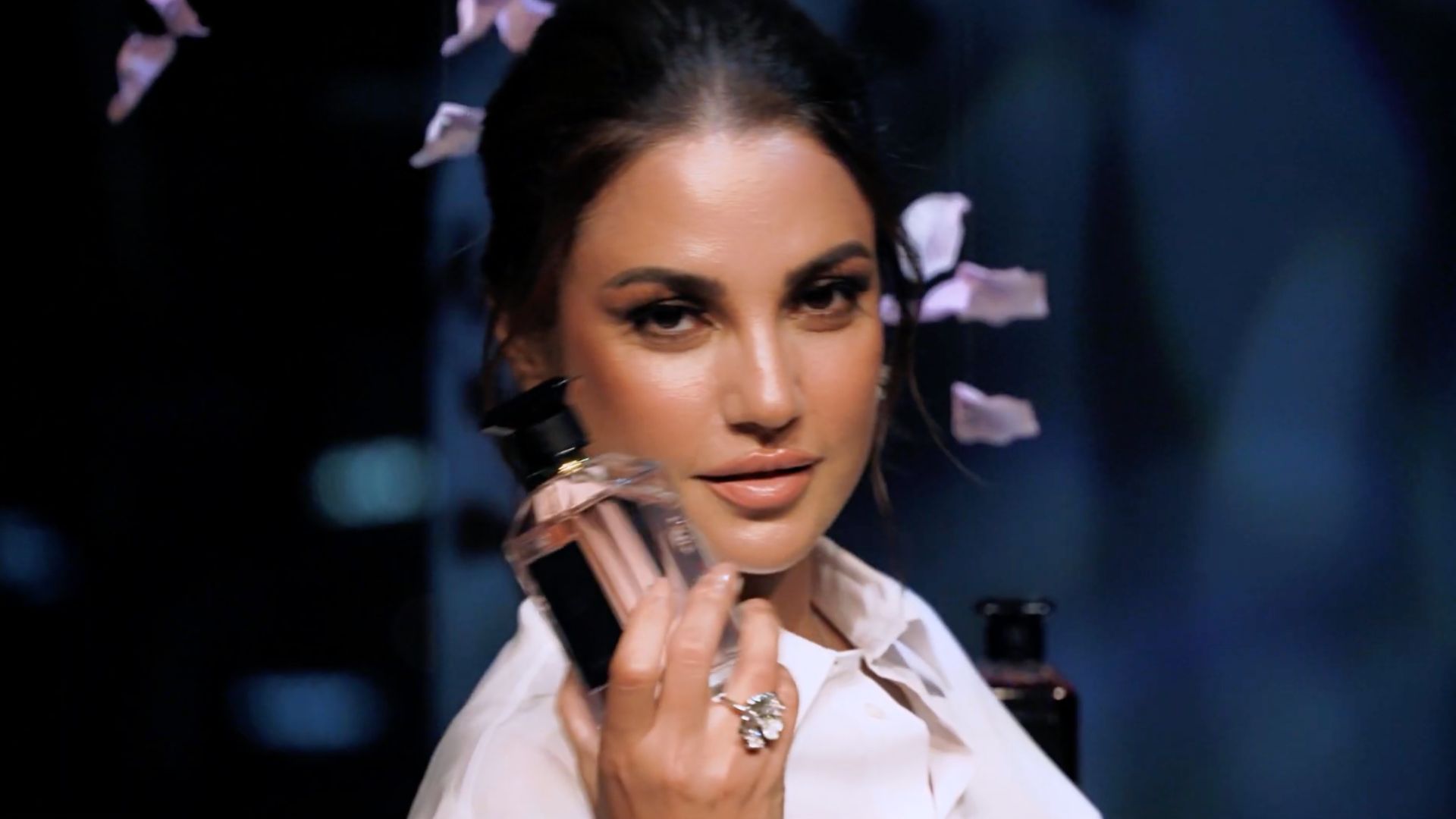
Mastering Cinematic Lighting Setups: A London Cinematographer's Guide to Professional Video Production
After twelve years as a London videographer specializing in luxury commercial and fashion content, I've learned that exceptional cinematic lighting setups are what separate amateur footage from professional cinematography that commands attention and drives results.
Whether I'm crafting a high-end commercial for international brands or capturing the essence of a fashion collection, the foundation of every successful project lies in understanding how light shapes story, emotion, and brand perception. In this comprehensive guide, I'll share the professional lighting techniques that have helped me create award-winning content for luxury brands across London and beyond.
Understanding the Fundamentals of Cinematic Lighting
Before diving into specific setups, it's crucial to grasp the fundamental principles that govern professional video production. As ARRI's cinematography resources emphasize, lighting isn't just about visibility, it's about crafting visual narratives that resonate with audiences.
The Three-Point Lighting Foundation
Every commercial cinematographer begins with the three-point lighting system as their cornerstone. This setup includes:
- Key Light: Your primary light source, establishing the dominant illumination
- Fill Light: Softens shadows created by the key light
- Back Light: Separates subject from background, creating depth
While this might seem basic, I've built entire commercial campaigns around sophisticated variations of this fundamental approach. The key is understanding how to adapt these principles to serve your brand's specific visual language.
Quality of Light: Hard vs. Soft
In luxury brand content, the quality of light often determines whether your footage feels premium or pedestrian. Hard light creates defined shadows and dramatic contrast, perfect for fashion pieces that demand edge and sophistication. Soft light, conversely, wraps around subjects gently, ideal for beauty commercials or lifestyle content that requires warmth and approachability.
During my recent work on the Celine Commercial Dubai project, I employed predominantly soft, diffused lighting to complement the brand's refined aesthetic while maintaining enough contrast to preserve the collection's architectural elements.
Professional Lighting Setups for Commercial Videography
As outlined in my comprehensive Commercial Video Production London: A Professional Cinematographer's Complete Guide to Luxury Brand Content, different commercial objectives require distinct lighting approaches.
The Luxury Product Showcase Setup
For high-end product videography, I typically employ what I call the "Museum Gallery" setup:
- Primary Key Light: Large softbox at 45-degree angle, providing even illumination
- Accent Lighting: Small, focused lights to highlight specific product details
- Background Separation: Subtle gradient lighting to create depth without distraction
- Reflection Control: Carefully positioned flags and diffusers to manage unwanted reflections
This setup ensures every detail is visible while maintaining the sophisticated atmosphere luxury brands demand. According to StudioBinder's production insights, consistency in product lighting is crucial for maintaining brand cohesion across different commercial pieces.
Fashion Videography Lighting Techniques
Fashion videography presents unique challenges, you're simultaneously lighting for fabric textures, skin tones, and movement. My approach involves layered lighting that adapts to the model's movement throughout the frame.
For fashion content, I often utilize:
- Beauty Dish with Grid: Provides flattering skin tones while maintaining texture definition
- Strip Lights: Positioned on either side to create rim lighting that defines silhouettes
- Bounce Boards: Mobile fill light sources that move with the action
- Practical Lights: On-set lamps or windows that add authenticity to the environment
The Alice Linden Staub fashion film exemplifies this approach, where we used layered lighting to capture both the intricate details of the garments and the emotional narrative of the piece.
Advanced Cinematic Techniques for London Videographers
Beyond basic setups, professional cinematography demands mastery of advanced techniques that elevate content from competent to exceptional.
Motivated Lighting and Environmental Integration
The most compelling commercial content feels natural, even when heavily stylized. Motivated lighting, where every light source has a logical reason for existing within the scene, is essential for creating this authenticity.
When shooting in London's diverse architectural environments, I always survey available natural light first. Floor-to-ceiling windows in Shoreditch studios offer different opportunities than the intimate spaces of Mayfair boutiques. Understanding how to enhance rather than replace existing light sources is what distinguishes professional cinematographers from technicians.
Color Temperature and Brand Psychology
Temperature mixing, combining different color temperatures within a single frame, can powerfully support brand messaging. Warmer lights (3200K-4000K) evoke comfort and luxury, while cooler temperatures (5600K+) suggest innovation and precision.
For luxury automotive commercials, I might use cool daylight balanced key lighting to emphasize technological advancement while adding warm practicals to maintain human connection. This technique requires precise control and deep understanding of how different temperatures interact on camera.
Lighting Equipment and Technology for Professional Cinematographers
The tools you choose significantly impact both the quality of your results and the efficiency of your production process.
LED vs. Traditional Tungsten vs. HMI
Each lighting technology offers distinct advantages:
LED Panels: Offer color temperature flexibility and low power consumption, ideal for long commercial shoots or location work with limited power access. However, color accuracy can vary significantly between manufacturers.
Tungsten Lights: Provide consistent, warm color temperature with excellent skin tone rendition. They're particularly effective for luxury beauty and lifestyle content but generate substantial heat.
HMI Lights: Deliver daylight-balanced, powerful illumination perfect for matching natural light or overpowering strong ambient conditions. Essential for outdoor fashion shoots or large commercial sets.
Modifiers and Control Tools
The difference between amateur and professional lighting often lies in the modifiers and control tools employed:
- Softboxes and Octoboxes: Control light spread and quality
- Grids and Barn Doors: Precise directional control
- Flags and Cutters: Shape light by subtraction
- Diffusion Materials: Various densities for different softening effects
- Reflectors and Bounce Boards: Redirect and fill lighting
As No Film School's educational resources frequently emphasize, understanding when and how to use each modifier is more valuable than owning expensive lights without proper control tools.
Location Lighting Challenges in London
Working as a London videographer presents unique environmental challenges that require adaptive lighting strategies.
Managing Natural Light Variability
London's famously variable weather means natural light conditions can change dramatically during a single shoot day. Professional productions require contingency lighting plans that can quickly adapt to these changes without compromising visual consistency.
I always carry portable LED panels with battery power for quick adjustments when cloud cover shifts suddenly. Additionally, scheduling critical shots during optimal natural light windows, typically the hour after sunrise or before sunset, maximizes environmental advantages.
Historic and Restricted Locations
Many luxury brands prefer London's historic locations for their inherent prestige and visual interest. However, these venues often impose strict limitations on lighting equipment and power usage.
Battery-powered LED systems become essential in these scenarios, though careful power management and backup systems are crucial for avoiding production delays. Additionally, low-profile mounting systems that don't damage historic surfaces are often required.
Post-Production Color Grading Considerations
Exceptional cinematic lighting setups extend beyond the physical production into post-production workflow planning.
Shooting for the Grade
Modern camera systems capture enormous amounts of color and exposure information, but maximizing this data requires strategic lighting decisions during production. Maintaining detail in both highlights and shadows, while avoiding clipping, provides colorists maximum flexibility for achieving the final brand aesthetic.
I typically aim to slightly underexpose luxury product shots, preserving highlight detail in reflective surfaces while capturing rich shadow information that can be lifted in post without introducing noise.
Consistency Across Multi-Camera Setups
Commercial productions frequently employ multiple cameras simultaneously, requiring lighting that looks exceptional from various angles while maintaining color and exposure consistency across different camera systems.
This demands careful testing and monitoring throughout the shoot day, as even minor lighting adjustments can create significant color matching challenges in post-production.
Frequently Asked Questions
What lighting equipment should I prioritize for commercial videography?
Start with quality LED panels offering variable color temperature (2700K-6500K), a selection of softboxes in different sizes, and comprehensive flags and diffusion materials. Invest in reliable stands and mounting hardware, your most expensive lights are worthless if they can't be positioned precisely and safely. As your business grows, add specialized tools like beauty dishes for portrait work or HMI lights for outdoor shoots.
How do you maintain lighting consistency across different shooting locations?
Consistency requires systematic approach and careful documentation. I create detailed lighting plots for each setup, noting exact positions, power levels, and modifier configurations. Additionally, I shoot color charts and exposure references at each location, providing post-production teams with consistent baseline information. Most importantly, I maintain the same key light ratios and color temperature relationships regardless of location-specific adjustments.
What's the biggest lighting mistake you see in commercial videography?
The most common error is over-lighting, using too many light sources without clear purpose or motivation. Each light should serve a specific function: key, fill, separation, or accent. Adding lights without understanding their role creates flat, unnatural illumination that lacks the depth and dimension luxury brands require. Better to master simple setups with precise control than complex arrangements without clear visual hierarchy.
Ready to elevate your brand's visual content with professional cinematic lighting setups? As an experienced London videographer specializing in luxury commercial and fashion videography, I bring technical expertise and creative vision to every project. Contact SwainUK today to discuss how we can create compelling visual narratives that drive results for your brand.